




City-State Defined
Singapore holds a unique position as the only city that also functions as a country within Asia. This compact urban landscape facilitates a level of administrative
efficiency rarely seen in larger nations. Unlike other countries, Singapore's entire area serves as its capital city, eliminating the need for internal divisions and reducing regional disparities. This setup contributes significantly to the city's cleanliness, advanced infrastructure, and global connectedness. The absence of traditional administrative and regional boundaries promotes a unified approach to urban management. Its manageable size and integrated structure allow the city to thrive, offering an environment that’s both efficient and attractive for its residents and visitors alike. The nation’s seamless blend of urban development and national identity is what makes Singapore so appealing.
A Historical Overview
The historical journey of Singapore is just as captivating as its modern-day achievements. For centuries, Singapore has thrived as a vibrant port and a vital trading center, drawing people from around the globe. Formerly under British colonial rule, Singapore briefly joined Malaysia after World War II before gaining its full independence on August 9, 1965. This pivotal moment marked the beginning of its transformation into the dynamic parliamentary republic it is today. This historical backdrop, coupled with its strategic location, has played a crucial role in shaping Singapore's character, blending diverse influences and cultures to create a distinctive national identity. From colonial times to independence, Singapore has steadily evolved, establishing itself as a global player and an example of urban development and national unity.
Geographic Dimensions Revealed
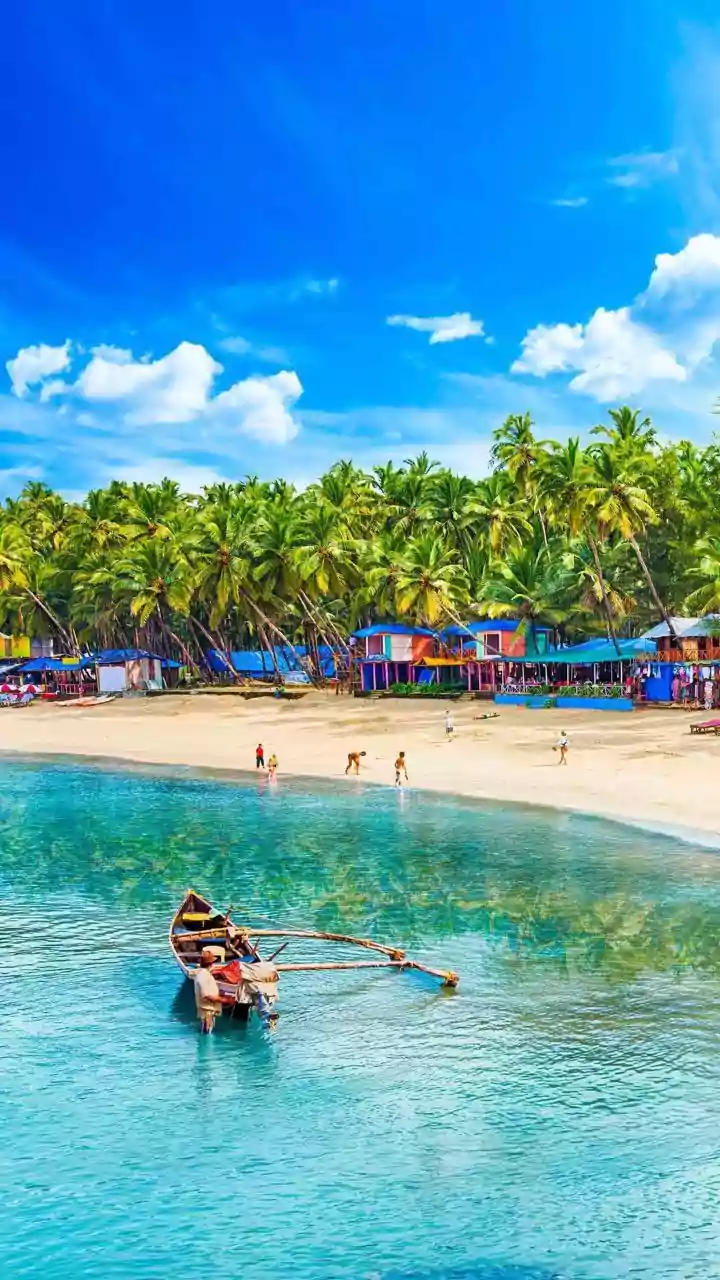
Understanding Singapore's geographical footprint offers key insights into its urban and national makeup. The city-state, covering only 735.7 square kilometers, is one of the smallest countries worldwide, making it smaller than the Greater Bangalore metropolitan area (741 square kilometers) and Goa (3,702 square kilometers). Nestled just north of the equator, Singapore is separated from Malaysia by the Johor Strait and from Indonesia by the Singapore Strait. Besides the main island, Singapore also includes over 60 smaller islets, creating an archipelago feel. Furthermore, the city’s terrain is largely at sea level, with the highest point, Bukit Timah Hill, reaching nearly 164 meters. The geography of Singapore has had a notable influence on its evolution into an integrated city, from fostering a strong national identity to supporting its growth as a worldwide center.
Language And Culture
Singapore's culture is a vibrant mix, with four official languages reflecting its diverse population. English, Malay, Mandarin, and Tamil are all recognized, mirroring the blend of Chinese, Malay, Indian, and Eurasian communities that form the social fabric. This linguistic diversity influences daily life and the urban landscape, from signage to everyday conversations. This multicultural harmony is a defining characteristic of Singapore, where diverse communities live side by side, creating a unique social environment. The name ‘Singapura’, meaning ‘lion city’ in Malay and Sanskrit, originates from a legend of a Sumatran prince spotting a lion on the island long ago. The linguistic and cultural richness has enabled Singapore to establish itself as a multicultural society and a significant center for global exchange.