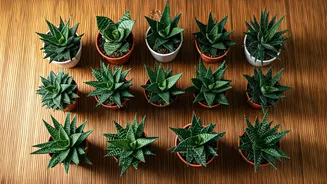

Introduction to Sansevieria
Snake plants, scientifically known as Sansevieria, have garnered immense popularity as indoor plants due to their resilience and aesthetic appeal. They
are native to West Africa and have adapted to thrive in harsh conditions. These plants are known for their ability to purify air by removing toxins such as benzene, formaldehyde, xylene, and toluene. They are also efficient at converting carbon dioxide into oxygen, particularly at night, making them ideal for bedrooms. One of the main reasons for their popularity is their low maintenance, requiring minimal watering and sunlight. This characteristic makes them a perfect choice for busy individuals or those new to gardening. Furthermore, snake plants come in a variety of shapes, sizes, and patterns, offering diverse options to complement any interior decor, making them a versatile choice for any home.
Sansevieria Trifasciata
Sansevieria trifasciata, commonly known as the 'Mother-in-Law's Tongue,' is the most recognizable variety, characterized by its upright, sword-like leaves with striking green and yellow variegation. This classic variety is celebrated for its ease of care and ability to tolerate neglect. The plant can thrive in a wide range of light conditions, from low light to bright, indirect sunlight, though brighter light generally enhances its vibrant coloration. Watering should be infrequent, allowing the soil to dry out completely between waterings to prevent root rot. This species is excellent at air purification, removing harmful toxins. It is a robust plant suitable for beginners. Its iconic appearance and low-maintenance needs make it a top choice for indoor gardening.
Sansevieria Zeylanica
Sansevieria zeylanica stands out with its broader, darker green leaves and horizontal bands of lighter green or gray. This variety is less common than the trifasciata but shares the same easy-care traits, making it another excellent option for beginners. Zeylanica tolerates low-light conditions and requires minimal watering. Allowing the soil to dry out between waterings is crucial to avoid root rot. This plant's ability to thrive with neglect makes it ideal for anyone seeking a low-maintenance plant. Its distinctive leaf pattern adds a touch of visual interest. Sansevieria zeylanica's robust nature and air-purifying qualities make it a valuable addition to any indoor space, enhancing both the aesthetics and the air quality.
Sansevieria Laurentii
Sansevieria Laurentii is a striking cultivar of the trifasciata, famous for its vibrant, yellow-edged leaves. This variety brings a pop of color to any room, and its upright growth adds a vertical dimension to indoor spaces. Similar to other snake plants, Laurentii is low-maintenance, thriving in various light conditions and requiring infrequent watering. It prefers bright, indirect sunlight to maintain its vivid coloration, but it can also tolerate lower-light environments. Regular watering should be minimal, allowing the soil to dry out completely between waterings. The yellow margins on its leaves add a decorative flair. Its ease of care and attractive appearance make it a favorite for home decor, blending style with practicality.
Sansevieria Cylindrica
Sansevieria cylindrica, often called the 'African Spear,' boasts cylindrical, spear-like leaves that grow upwards, creating a unique sculptural appearance. This variety offers a modern aesthetic, making it an excellent choice for contemporary interiors. It thrives in bright, indirect light but can tolerate lower-light conditions. Like other snake plants, cylindrica requires minimal watering. Allowing the soil to dry out completely between waterings is crucial. Variations include the 'Spaghetti' snake plant, which has very thin leaves. Its distinctive shape and low-maintenance requirements make it an appealing option for plant enthusiasts. Its unusual form adds a touch of artistic flair. The plant's adaptability and striking appearance contribute to its popularity.
Sansevieria Moonshine
Sansevieria 'Moonshine' is prized for its silvery-green leaves, which create a soft, luminous appearance. Its muted tones blend well with various decor styles, providing a subtle yet elegant look. 'Moonshine' is easy to care for, thriving in low to bright indirect light and requiring infrequent watering. It does best with bright, indirect light to maintain its silvery sheen, and should be watered only when the soil is completely dry. This plant is known for its graceful appearance. The plant's easy-care nature and refined look make it a great choice for enhancing any indoor space.
Sansevieria Bantel's Sensation
Sansevieria Bantel's Sensation is known for its tall, slender leaves, adorned with vertical white stripes against a dark green backdrop. This cultivar offers a striking contrast and adds a sophisticated touch to any setting. Like most snake plants, 'Bantel's Sensation' requires minimal care, tolerating low-light conditions and infrequent watering. Allowing the soil to dry out between waterings is essential to prevent root rot. Its elegant striped pattern makes it a visually appealing option for both modern and traditional interiors. The dramatic foliage and simple care requirements make it an excellent choice for plant lovers seeking beauty and ease.
Sansevieria Hahnii
Sansevieria Hahnii, often called 'Bird's Nest Snake Plant,' is a compact variety with rosette-shaped leaves, perfect for small spaces and desktops. The leaves are typically dark green, sometimes with silver or gold variegation. This variety is incredibly easy to care for, thriving in low-light conditions and requiring infrequent watering. Its small size makes it perfect for shelves, desks, or windowsills. There are various sub-varieties like 'Golden Hahnii' with yellow margins. The plant's unique shape and low-maintenance needs make it a versatile addition to any indoor space, enhancing the environment with its simplicity and elegance.
Sansevieria Trifasciata 'Black Coral'
Sansevieria trifasciata 'Black Coral' showcases dark green to nearly black leaves with subtle silver markings, lending a dramatic and bold look. This cultivar provides a modern aesthetic and enhances any interior's visual appeal. It thrives in various light conditions and requires minimal watering. Like other snake plants, it does best with bright, indirect sunlight but can also tolerate low-light environments. Allow the soil to dry out completely between waterings to prevent root rot. The deep coloration and ease of care make this a stylish choice for any plant lover, adding both visual interest and air-purifying benefits to the indoor environment.
Growing Snake Plants
Snake plants, regardless of variety, share similar care requirements. They generally thrive in well-draining soil, like a cactus mix or a blend of potting soil and perlite. Choose a pot with drainage holes to prevent root rot. Water sparingly, allowing the soil to dry out completely between waterings. Overwatering is the most common cause of problems. They adapt to low-light conditions but benefit from bright, indirect sunlight, which enhances their color. Fertilize lightly during the growing season (spring and summer) using a balanced liquid fertilizer, diluted to half strength. Snake plants are generally pest-resistant, but they can occasionally be affected by mealybugs or spider mites. Propagation is easy through leaf cuttings or by dividing the rhizomes.