






Defining Hypertension
Hypertension, commonly known as high blood pressure, happens when the force of your blood against your artery walls is consistently too high. The normal
blood pressure reading is usually below 120/80 mmHg (millimeters of mercury). The top number (systolic) represents the pressure when your heart beats, while the bottom number (diastolic) reflects the pressure when your heart rests between beats. Hypertension is generally diagnosed when your blood pressure consistently measures 130/80 mmHg or higher. This persistent high pressure can damage your arteries and lead to serious health problems like heart disease, stroke, and kidney failure. Lifestyle choices such as diet, exercise, and stress management significantly impact blood pressure. Regular monitoring and seeking advice from healthcare professionals are essential for managing hypertension and preventing related complications. A healthy lifestyle is very crucial in controlling your blood pressure and minimizing risks associated with hypertension. Knowing your numbers and making necessary changes can make a huge difference in your overall health and well-being.
Hypertension in India
India faces a significant challenge with hypertension. The prevalence of hypertension in India is relatively high and continues to be a growing public health concern. Various factors contribute to this, including changing lifestyles, dietary habits, and increased stress levels. The rise in processed food consumption, reduced physical activity, and increased rates of obesity are all major contributors. Additionally, the aging population and genetic predispositions also contribute to the rising rates of high blood pressure. Hypertension often goes undiagnosed and untreated, increasing the risk of cardiovascular diseases. Awareness campaigns, regular health check-ups, and improved access to healthcare are crucial to address the issue effectively. To tackle hypertension, it's vital to focus on preventive measures, including promoting healthy eating habits, encouraging regular exercise, and reducing tobacco and alcohol consumption. Furthermore, early detection and management of high blood pressure through medication and lifestyle changes can help reduce the burden of hypertension on the Indian healthcare system and improve overall public health.
Measuring Blood Pressure
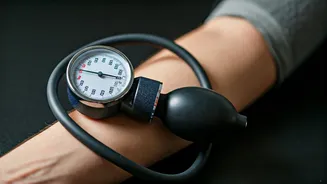
Blood pressure is usually measured using a sphygmomanometer, which is a device that includes an inflatable cuff, a pressure gauge, and a stethoscope. The cuff is wrapped around your upper arm, and then inflated until it restricts blood flow. A healthcare provider uses a stethoscope to listen for the first sound, indicating the systolic pressure, and the point at which the sound disappears indicates the diastolic pressure. There are also digital blood pressure monitors available for home use, which are becoming increasingly popular. However, it's crucial to use these devices correctly and ensure they are regularly calibrated for accurate readings. Regular blood pressure monitoring is essential for everyone, but especially for those with risk factors for hypertension, such as a family history of high blood pressure, obesity, or diabetes. Knowing your blood pressure numbers enables you to take timely action, like lifestyle adjustments or seeking medical advice, to manage your health effectively. Regularly checking your blood pressure at the doctor’s office and even at home is very vital for your overall health.
The Government’s Role
The Indian government plays a crucial role in tackling hypertension through various initiatives. National programs and policies are implemented to raise awareness, improve healthcare access, and promote early detection and management of high blood pressure. Public health campaigns focus on educating the population about the risks of hypertension and the importance of regular check-ups. The government also works to improve access to affordable medications and healthcare facilities, particularly in rural areas. Collaborations between government agencies, healthcare providers, and non-governmental organizations (NGOs) are essential for achieving broader impact. These collaborations contribute to the success of screening programs, treatment protocols, and lifestyle interventions. These efforts aim to reduce the burden of hypertension on the population and improve overall cardiovascular health. The government’s active involvement and sustained efforts are vital in making progress towards better health outcomes and a healthier nation. The government’s role and support can help encourage more and more people to prioritize their health and make the right choices.
Targets for Control
The Indian government, along with health organizations, sets specific targets for blood pressure control to measure progress and guide interventions. These targets typically involve reducing the prevalence of uncontrolled hypertension and improving the proportion of people whose blood pressure is at the target levels. These targets are often integrated into broader health goals related to non-communicable diseases. Setting clear, measurable goals is crucial for monitoring progress and making necessary adjustments to strategies. Regularly reviewing data and outcomes helps evaluate the effectiveness of different programs and interventions. Effective strategies might involve early detection through screening programs, improved access to medications, and lifestyle interventions. These targets provide a framework for healthcare providers, policymakers, and communities to work together toward the shared goal of reducing the burden of hypertension and improving public health. Working towards these goals calls for focused and sustained efforts in different areas of public health, which can lead to measurable improvements in the control and prevention of hypertension across the nation.