







The Allure of Quick Fixes
In today's fast-paced world, the temptation to find rapid solutions for health concerns is immense, often driven by readily available information and marketed
'instant relief' products. While seemingly convenient, this pursuit of quick remedies, particularly through the unsupervised use of dietary supplements and self-medication, poses substantial health threats. The digital age, brimming with misinformation, exacerbates this issue, especially in regions like India where regulatory oversight can be less stringent and access to such products is widespread. What begins as a simple shortcut can swiftly evolve into a severe health crisis, underscoring the indispensable need for professional medical consultation. Popular supplements promising swift weight loss, enhanced muscle mass, boosted immunity, increased energy, and improved physical appearance have become a common recourse. However, when these are taken without proper medical advice, they can trigger a cascade of adverse effects on both physical and mental health, a silent danger lurking beneath the surface of perceived wellness.
Supplement Pitfalls Unveiled
The unsupervised consumption of supplements, particularly in response to common issues like zinc deficiencies, hair loss, or general body aches, has been linked to a range of concerning health problems. A study reported by StatPearls highlighted instances where young individuals in India experienced adverse reactions such as persistent nausea, the development of red rashes on the skin, elevated liver enzymes indicating potential damage, the formation of kidney stones, and stomach inflammation (gastritis). Compounding these risks, a post-COVID trend saw a rise in individuals aged 30-35 relying heavily on widely marketed multivitamins and gummy supplements to address lingering symptoms. Medical professionals, like Dr. Thomas, caution that these unsupervised supplements can act as silent disruptors to health, leading to severe consequences such as organ damage and the painful development of kidney stones, turning perceived health boosters into significant health hazards.
NSAIDs: A Double-Edged Sword
The Indian healthcare system sees extensive use of Non-Steroidal Anti-Inflammatory Drugs (NSAIDs), including common medications like ibuprofen, paracetamol, aceclofenac, and diclofenac. While these drugs offer temporary relief for common ailments such as headaches, fever, nasal congestion, and joint or back pain, their widespread and often excessive self-administration presents a serious health risk. This is particularly true for vulnerable populations who may not fully grasp the long-term implications. According to Dr. Thomas, the frequent reliance on NSAIDs and combination drugs has insidiously harmed vital organs in numerous patients. These seemingly harmless quick fixes place undue strain on the immune and digestive systems, potentially leading to kidney impairment, liver injuries, and severe gastrointestinal bleeding. Doctors warn that self-treating pain with readily available pills can mask underlying health conditions, potentially causing irreversible organ damage that could have been prevented with appropriate medical intervention.
Heart and Mind at Risk
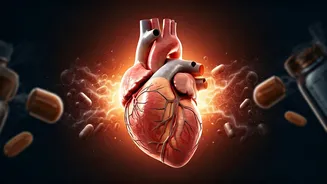
Beyond immediate pain relief, the prolonged and unsupervised use of certain supplements and pain medications can have profound long-term effects on cardiovascular health. A significant concern is the potential for these substances to cause sudden spikes in blood pressure, thereby escalating the risk of serious cardiac events, including strokes. This highlights a critical trade-off: prioritizing fleeting comfort over sustained well-being can lead to devastating health consequences. It is therefore paramount to seek professional medical advice before incorporating any new supplement or medication into your routine. Furthermore, verifying the credibility of any supplement is essential, as not all popular products are safe or effective. Understanding these multifaceted dangers and engaging in dialogue with healthcare professionals is vital to ensure that any supplements used contribute positively to health rather than posing a detriment.
The Cycle of Self-Prescribed Harm
The practice of self-prescribing supplements, often referred to as 'stacking,' can lead to a dangerous cocktail of health issues. These range from potentially lethal drug interactions to insidious organ damage, with side effects that may go unnoticed until serious complications manifest. Dr. Thomas points out that self-prescribed supplements can mask critical symptoms, delaying the diagnosis of serious conditions like infections or tumors. Certain groups, including the elderly, pregnant women, and young children, are especially vulnerable to the detrimental effects of over-reliance on supplements, which can precipitate severe health complications. Breaking free from this cycle of quick fixes and marketed health products necessitates a shift towards professional guidance for even minor health concerns. Embracing lifestyle modifications, such as a balanced diet rich in essential nutrients, and choosing certified products while diligently reading labels can significantly mitigate risks and ensure medications are used effectively and safely.