





The Withdrawal Struggle
For many, coffee is more than just a drink; it's an ingrained daily ritual. However, when health concerns like elevated blood pressure arise, discontinuing
this habit becomes a pressing necessity. A common hurdle faced by those attempting to quit coffee is the debilitating headache that often accompanies the withdrawal process. This is a natural physiological response as the body adjusts to a diminished intake of caffeine. These intense headaches typically manifest within 12 to 24 hours after the last dose and can persist for several days, sometimes up to a week. This period is essentially your system recalibrating after becoming accustomed to a regular influx of stimulants. Understanding that these symptoms are a normal, albeit unpleasant, part of the process can help manage expectations and foster perseverance during this transition.
Gradual Tapering Explained
Experts strongly advise against quitting coffee cold turkey, suggesting that a gradual reduction is a far more effective and comfortable approach. Abrupt cessation can lead to severe withdrawal symptoms, including headaches, fatigue, and irritability, making the endeavor feel overwhelming. Instead, the recommended strategy involves slowly decreasing caffeine consumption over a period of one to two weeks. This phased approach allows your body to adapt more smoothly to lower caffeine levels, minimizing the shock of sudden absence. By steadily lowering your intake, you not only mitigate the intensity of withdrawal symptoms but also gain the opportunity to closely observe how your blood pressure responds to the changes. Implementing small, manageable shifts, such as switching to beverages with less caffeine or extending the intervals between coffee servings, can significantly ease the transition. Complementing these adjustments with ample hydration and consistent, quality sleep further supports your body in navigating this change with greater ease.
Coffee's Blood Pressure Link
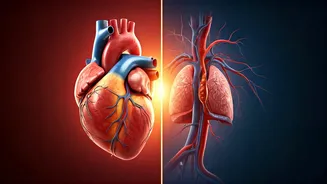
The connection between coffee consumption and blood pressure is a valid concern for many. Caffeine is known to induce a temporary elevation in blood pressure by stimulating the heart to beat more rapidly and causing blood vessels to constrict. For individuals particularly sensitive to caffeine, this effect can be more pronounced. Therefore, reducing or eliminating coffee intake can contribute to a modest lowering of blood pressure over time, especially for those whose hypertension is influenced by caffeine. While coffee is not usually the sole determinant of blood pressure levels, it can be a significant contributing factor. Addressing coffee habits can be a valuable component of a comprehensive strategy to manage hypertension, working in conjunction with other lifestyle modifications and medical advice.
Energizing Alternatives
Giving up coffee doesn't mean surrendering your energy levels. There are numerous refreshing alternatives that can provide a natural boost without negatively impacting your blood pressure. Options like green tea and various herbal infusions offer a milder form of energy with significantly less caffeine, making them much gentler on your cardiovascular system. Beyond teas, simple choices such as starting your day with a glass of lemon water or coconut water can be surprisingly invigorating. Even incorporating short, brisk walks into your routine can enhance alertness and well-being without any stimulant-related side effects. These small but impactful replacements can gradually make the transition away from coffee feel less daunting and more sustainable, allowing you to maintain vitality throughout the day.