






Embracing Volcanic Life
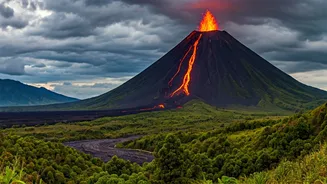
For many, residing close to active volcanoes is not merely a geographic location; it is an integral part of their daily lives. Several factors contribute
to this unique lifestyle choice, and among them, the richness of the soil is a primary benefit. Volcanic ash enriches the land, making it remarkably fertile. This leads to abundant agricultural yields, enabling communities to thrive. Furthermore, tourism plays a significant role. Active volcanoes draw visitors, generating economic opportunities and fostering cultural exchange. Cultural ties also bind these communities to the land, preserving traditions and strengthening their identity.
Fertile Soil's Boon
The land around volcanoes offers advantages that are quite compelling for the residents. The soil, enriched by volcanic ash, is incredibly fertile. This natural fertilization supports substantial agricultural productivity, which is the base of their food security and their economic well-being. This soil sustains a variety of crops, making it a viable agricultural area. This agricultural bounty supports not only individual families but also the local economy, establishing a sustainable cycle of growth. This natural resource contributes in a major way to the overall quality of life.
Tourism's Draw
Tourism is a significant influence on communities living around active volcanoes. The appeal of these geological marvels attracts numerous visitors. This influx of tourists supports local businesses and generates diverse economic prospects. The revenue from tourism supports the local infrastructure, creating jobs, and facilitating cultural exchange. The presence of tourists injects money into the local economies, improving people's lives and adding vibrancy to communities. This aspect adds to the overall charm of living close to an active volcano, offering a dynamic economic backdrop.
Cultural Connection's Strength
The connection between the residents and the surrounding land of the volcano is also very strong and deeply embedded in their cultural identity. The people have a unique relationship with their environment, which is frequently passed down through generations. These cultural bonds, intertwined with ancient rituals, traditions, and local tales, deepen the residents' understanding and appreciation for their environment. The local way of life embraces the volcano as a natural part of their world. This fosters a sense of unity and shared heritage, allowing communities to flourish in the shadow of natural dangers.
Risk Mitigation Strategies
Despite the alluring benefits, there are risks associated with living near active volcanoes, and therefore risk management is essential. Communities rely on modern technology to reduce these risks. Early warning systems are crucial. They provide the public with the time needed to prepare for a possible eruption or any type of danger. Continuous monitoring of seismic activity is also employed, alerting officials to any indications of impending eruption. These technologies work together to significantly reduce the impact of eruptions and safeguard lives. This proactive approach helps reduce the risks while people enjoy the benefits of living near a volcano.