


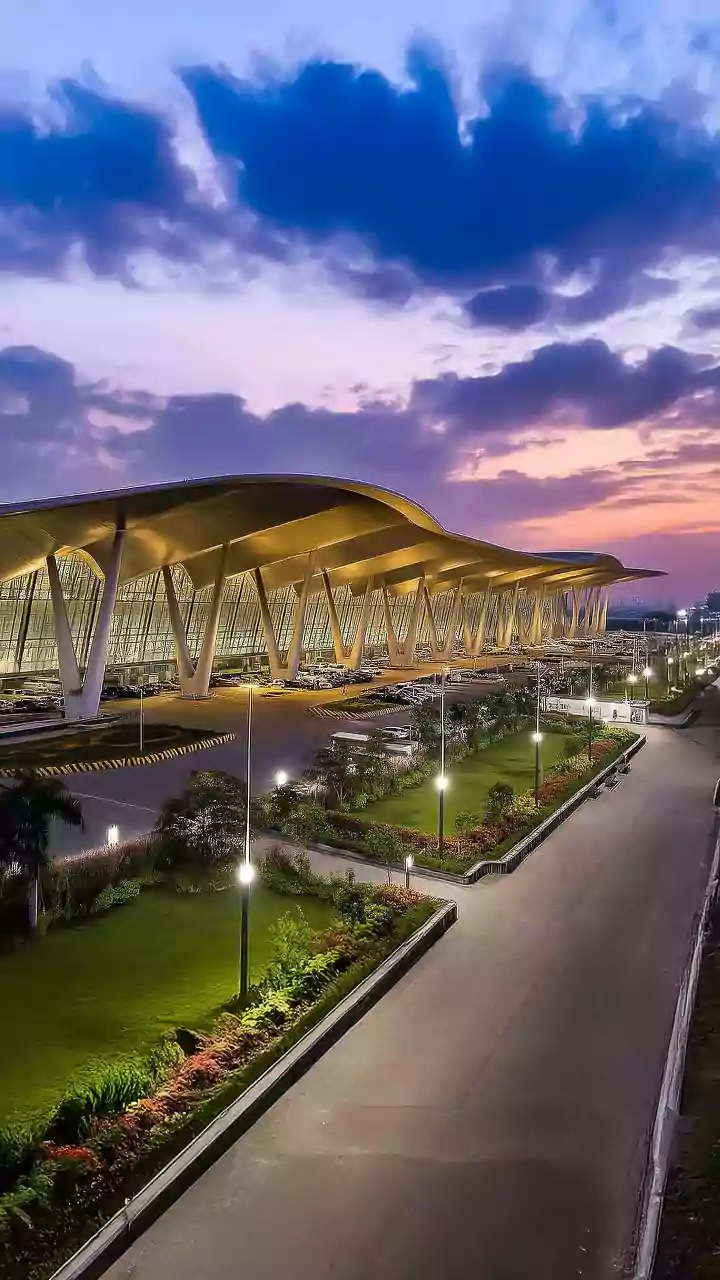





Airport Overview
The Navi Mumbai International Airport (NMIA) is a large-scale infrastructure project located in the Mumbai Metropolitan Region of Maharashtra, India. The airport's
development is taking place in phases, with the initial stages now nearing completion. The airport is set to have a significant impact on connectivity and real estate in the Mumbai Metropolitan Area. The airport is expected to serve a large number of passengers and increase the connectivity of the city. The airport aims to alleviate the burden on the existing Chhatrapati Shivaji Maharaj International Airport (CSMIA) in Mumbai. It is anticipated to become a major aviation hub, handling both domestic and international flights. The airport's strategic location and advanced infrastructure are designed to support future growth and enhance the region's overall economic development. Several phases are planned for its development to accommodate increasing air traffic and evolving aviation needs.
Historical Context
The project's conceptualization and planning began years ago, reflecting the long-term vision for enhancing Mumbai's air travel infrastructure. The project aimed to alleviate congestion at the existing Chhatrapati Shivaji Maharaj International Airport. The selection of the site and the initial design phases involved extensive planning, environmental impact assessments, and regulatory approvals. The construction phase has seen multiple changes and adjustments. Various challenges had to be overcome to keep the project on track, including land acquisition, environmental concerns, and securing the necessary funding. The design has evolved over time to incorporate the latest technological and operational advancements in airport management. The historical context reflects the commitment to building a modern, efficient, and sustainable airport facility for the region, reflecting the region's dynamic growth.
Key Facts Revealed
The Navi Mumbai International Airport is designed to be a state-of-the-art facility. The airport is expected to handle a large number of passengers per year. The airport's location is strategically chosen to provide improved connectivity to Mumbai and surrounding areas. The design incorporates multiple terminals and a robust airside infrastructure to facilitate smooth operations. Environmental sustainability is a key focus. The airport will feature advanced technologies to improve energy efficiency and reduce its carbon footprint. The infrastructure includes modern runways, taxiways, and aprons to accommodate a variety of aircraft. The airport also offers parking facilities and integrated transportation systems for easy access. The integration of technology ensures efficient passenger flow and baggage handling. The airport's design aims to offer a world-class travel experience, with comfortable lounges, retail outlets, and dining options.
Recent Developments
Recent developments showcase the progress made in the airport's construction and preparations for its opening. The construction of the passenger terminals is nearing completion, with the internal fit-out and finishing touches in progress. The installation of the operational systems, including air traffic control, baggage handling, and security systems, is underway. Significant progress has been made in the development of the supporting infrastructure, such as access roads, utilities, and ground transportation links. Testing and commissioning of the airport's various systems are in the final stages. The airport has undergone several trial runs and simulations to evaluate operational readiness. Regular updates about the airport's progress are being provided. The authorities are actively engaging with airlines, ground handling services, and other stakeholders to ensure smooth operations from day one. These activities are crucial to making the airport ready for its official launch.
Real Estate Impact
The construction of the Navi Mumbai International Airport has had a significant impact on the real estate market. The airport has triggered increased demand for residential and commercial properties in the surrounding areas. Property values and rental rates have seen substantial growth. The airport has spurred the development of new real estate projects, including residential complexes, commercial spaces, and hospitality establishments. Improved connectivity and accessibility have made the area more attractive for potential investors and buyers. The infrastructure development around the airport, such as roads and transportation links, has enhanced the overall desirability of the area. Real estate developers are actively marketing properties. This has resulted in a boom in the local real estate sector. The presence of the airport has boosted the demand and appreciation of properties. The impact has transformed the region into a prime real estate destination.
Design and Structure
The design of the Navi Mumbai International Airport is focused on operational efficiency and passenger experience. The airport incorporates modern architectural designs. The terminal buildings are constructed with sustainability principles. The layout includes wide spaces, comfortable seating areas, and a variety of amenities to enhance passenger comfort. The structure has multiple terminals, each designed to manage specific passenger volumes and flight operations. Advanced technology is integrated into various aspects of the airport's operations, including baggage handling, security systems, and passenger flow management. The design incorporates features to ensure the smooth transition of passengers and aircraft. Green building practices are implemented throughout the construction process. The airport's design prioritizes accessibility, ensuring that all passengers can navigate the facility comfortably. The design has been created to provide a visually pleasing and functional environment for passengers.
Future Expansion Plans
The Navi Mumbai International Airport is designed with future expansion in mind. Phase 1 includes the initial infrastructure and operational capacity, with subsequent phases planned to scale up operations. Future phases involve the expansion of terminal buildings, runways, and other facilities. Additional terminals are planned to increase passenger handling capacity. The expansion aims to accommodate increasing air traffic and evolving aviation needs. New taxiways and aircraft parking stands will be built to improve operational efficiency. The expansion will also involve upgrading the airport's technology and infrastructure. The development plans incorporate provisions for additional retail outlets, dining options, and passenger amenities. The long-term plan includes adding cargo facilities. These expansions are critical for supporting long-term growth and maintaining the airport's status as a major regional hub.