
Bhumi's Transformation Unveiled
Bhumi Pednekar's weight loss journey has captured attention, especially with her achievement of losing 40 kg without relying on injectables. The actress's
approach of natural methods highlights her commitment to a healthy and sustainable lifestyle change. This shift generated both admiration and curiosity, leading many to wonder about the strategies she implemented. The decision to avoid injectables emphasizes a preference for holistic wellness, promoting a deeper look into the principles behind lasting weight management rather than rapid solutions.
Sustainable Weight Loss Pillars
Sustainable weight loss is not simply about shedding pounds; it's a comprehensive process. It relies on a combination of factors, including diet, exercise, and lifestyle adaptations. A balanced diet is critical, emphasizing nutrient-rich foods over processed options, and controlling portion sizes. Regular physical activity, comprising both cardio and strength training, boosts metabolism and fosters muscle development. Furthermore, lifestyle adjustments, like adequate sleep, stress management, and a supportive environment, all affect weight management. Sustainable weight loss prioritizes long-term health and well-being through gradual changes rather than drastic measures.
Diet: Fueling the Body
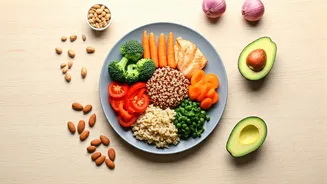
Diet is an essential component of weight loss. It involves making informed choices to feed the body optimally. A strategy starts with focusing on consuming whole, unprocessed foods like fruits, vegetables, lean proteins, and whole grains. These foods provide essential nutrients, keep you full, and are lower in calories. Portion control is also key; it prevents overeating. Drinking enough water also helps by promoting fullness and aids in metabolic processes. Furthermore, mindful eating, which involves paying attention to hunger cues, can prevent unnecessary snacking. A nutritious and sustainable diet is one that you can sustain for the long term.
Exercise: Moving Towards Goals
Exercise is a major factor in weight loss. It increases calorie expenditure, builds muscle mass, and improves overall health. An effective exercise regimen combines both cardiovascular workouts, like running or swimming, to burn calories and strength training, like weightlifting, to develop muscle. Muscle burns more calories at rest, promoting an elevated metabolism. Aiming for at least 150 minutes of moderate-intensity or 75 minutes of vigorous-intensity aerobic exercise per week is usually recommended. Consistency is key, and it is crucial to find activities you enjoy, making them easier to stick to long-term. Even small amounts of regular physical activity can make a significant difference.
Lifestyle: Holistic Wellness
Lifestyle changes have a strong influence on weight loss and overall health. Adequate sleep is vital, as sleep deprivation affects hormones that control hunger and metabolism. Aim for 7-9 hours of quality sleep each night. Stress management is equally crucial. Chronic stress can cause hormonal imbalances and lead to emotional eating. Incorporating relaxation techniques, such as meditation or yoga, can help manage stress levels. Having a supportive environment is also key. Friends, family, or professional support can assist you with your journey. Sustainable weight loss integrates these lifestyle elements for comprehensive well-being.
Expert Insights and Analysis
Experts often stress the importance of understanding the individual's metabolic rate, body composition, and any underlying health concerns when creating a weight loss plan. They focus on personalized strategies, which consider individual needs and preferences. Medical professionals may recommend blood tests to determine any nutrient deficiencies or hormonal imbalances. They usually suggest monitoring progress through tracking weight, body measurements, and fitness levels. An expert’s advice usually steers away from quick fixes and emphasizes a gradual, holistic approach that prioritizes long-term health.
Bhumi's Approach: Success Factors
Bhumi Pednekar's weight loss success likely reflects the consistent application of these basic principles. Her focus on natural methods shows an emphasis on sustainable practices over rapid weight loss. While specific specifics of her routine may not be public, it is likely it involved a combination of healthy eating habits, regular exercise, and effective stress management. Her commitment emphasizes the importance of a tailored approach that aligns with individual requirements. This kind of approach is more inclined to result in success, and can be maintained throughout the course of a lifetime. Her success is a motivation for others to choose healthy and sustainable lifestyle changes.
Debunking Weight Loss Myths
Many misconceptions exist about weight loss. Rapid weight loss is often promoted, which can lead to unsustainable habits and potential health problems. Diet pills and quick-fix solutions often make unrealistic promises and may have negative side effects. The focus should be on building a healthy relationship with food and finding activities that you enjoy, promoting sustainable habits. Weight loss can be very different depending on the person. It is not a one-size-fits-all approach. Consulting a doctor or nutritionist is advisable for customized guidance. They can debunk false claims and create a safe and effective weight loss strategy.
The Long-Term Perspective
The ultimate goal should be on establishing healthy habits that can be integrated into your lifestyle. Weight maintenance depends on continuous diligence. Regular self-monitoring, maintaining a balanced diet, and staying physically active are key. Creating a supportive environment and building a long-term mindset are also crucial. Embracing a sustainable approach means acknowledging that there will be ups and downs, and that adjustments may be needed over time. The emphasis is on overall well-being and health and not just on the number on the scale.