

A Grand Artistic Residence
Shalini Passi's magnificent 20,000 square foot dwelling in Delhi's prestigious Golf Links neighborhood serves as a striking example of how architectural
design, artistic curation, and personal life philosophies can converge to create an environment that profoundly influences its inhabitants' experiences. This residence, meticulously developed over a period of five years, is described by Passi as a genuine 'labour of love.' Every facet of the home has been thoughtfully arranged to foster a sense of both vivid self-expression and deep personal connection. The dwelling's exterior presents a graceful, curved architectural form, offering panoramic views of a meticulously maintained garden. A monumental 25-foot Buddha head sculpture by the renowned artist Subodh Gupta commands attention, anchoring the space. This minimalist facade, characterized by its clean white walls, warm wooden elements, and expansive windows, provides a compelling contrast to the richly layered, maximalist aesthetic found within its interiors, crafting a dynamic and multifaceted sensory journey for anyone who enters.
Curated Collections Unveiled
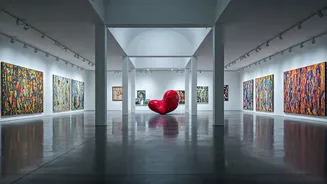
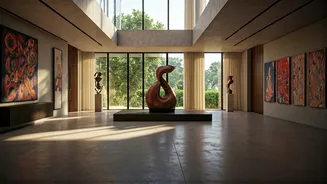
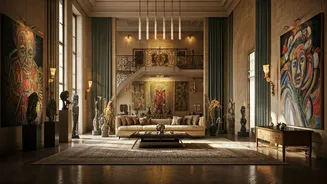
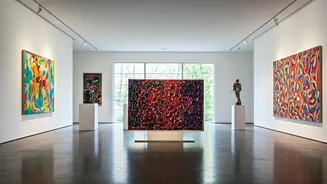
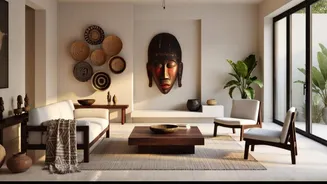
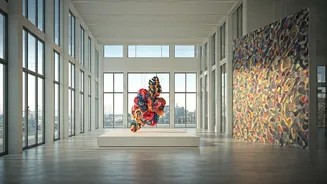
The interior of Shalini Passi's residence is truly a dynamic gallery, showcasing an impressive array of art and decorative objects that defy simple categorization. Beyond paintings and sculptures, the space is adorned with unique pieces such as Fornasetti bureaus, intricate Gio Ponti tchotchkes, and opulent gilt-wood mirrors, alongside a significant artwork by MF Husain. This rich tapestry of objects creates a visually stimulating environment. Passi emphasizes that her home is not a static museum; rather, it is a living, breathing entity where artworks are continually repositioned and re-introduced, ensuring a fresh perspective and ongoing engagement with the collection. The architectural design complements this by incorporating vast glass windows that allow natural light to illuminate the central, cathedral-like space, effectively framing both the internal art installations and the external landscape. Elements like plush carpeting, traditional Persian rugs, polished marble floors, dazzling crystal chandeliers, and detailed woodwork contribute to an atmosphere of warmth and textural richness, harmoniously balancing the visual intensity with areas of serene calm, including a swimming pool and a gazebo.
Design and Psychology
The deliberate design choices within Shalini Passi's home extend beyond mere aesthetics to influence emotional states and personal philosophies. Her personal mantra, 'Be the star of your own show,' is visibly reflected in the bold and unapologetic maximalist style of her residence, suggesting a home designed for confident self-expression. Furthermore, Passi's approach to social interaction, creating a deliberate persona to maintain a balance between approachability for friends and personal boundaries, might also be mirrored in the spatial design. Certain areas could be intentionally more open and inviting, while others are curated for privacy, reflecting an interplay between openness and guardedness. These considerations raise intriguing questions about how environments that are rich in art, grand in scale, and imbued with symbolism can shape an individual's emotional landscape, influence their behavior, and even impact their relationships with others. The very act of inhabiting such a space encourages a dialogue between the external world and internal experience.
Creativity and Visual Stimulation
According to Sonal Khangarot, a licensed rehabilitation counselor and psychotherapist, homes like Shalini Passi's, characterized by their maximalist interiors brimming with art, varied textures, and layered objects, present a visually stimulating environment. Psychologically, such elaborately detailed spaces can have a dual impact: they can significantly enhance creativity by providing a constant stream of sensory input, thereby sparking novel ideas and encouraging associative thinking, particularly beneficial for individuals who thrive in dynamic settings. The presence of art within these spaces can also foster emotional expression and a sense of personal meaning, which is conducive to overall well-being. However, Khangarot cautions that excessive visual stimulation might pose challenges for individuals prone to anxiety or cognitive overload, potentially impairing their focus. The continuous processing of visual cues can lead to mental fatigue or distraction. Therefore, the crucial element for maintaining mental equilibrium in such richly adorned environments is balance, achieved by strategically integrating 'pockets of visual rest' that allow the mind to disengage and reset.
Minimalism Meets Maximalism
The striking contrast between a minimalist exterior and a maximalist interior, as seen in Shalini Passi's Delhi residence, creates a compelling psychological journey for visitors. Khangarot explains that a minimalist exterior typically instills a sense of calm, order, and predictability, allowing the nervous system to settle as one approaches the space and setting a tone of restraint and safety. In contrast, stepping into a maximalist interior offers an immersive and stimulating experience, akin to entering a different psychological realm. This dramatic shift can heighten emotional engagement, cultivate curiosity, and foster a sense of discovery. When this interplay is executed effectively, it allows individuals to seamlessly transition between states of tranquility and heightened stimulation within the same home. This dynamic supports both profound relaxation and robust creative expression, demonstrating how architectural and interior design choices can be deliberately employed to cater to diverse psychological needs and moods.