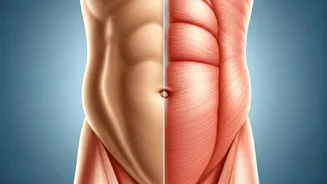








Belly Texture: A Health Indicator
Our abdominal region isn't solely defined by its fat content; it serves as a significant barometer for our overall health status, frequently signaling
deeper, often overlooked medical conditions. While commonly associated with weight gain, belly fat can be a key indicator of underlying health concerns. Dr. Shubham Vatsya, a leading gastroenterologist, emphasizes that the distinction between a soft and a hard belly provides vital insights into our internal well-being. This analysis moves beyond mere appearance to explore the metabolic and physiological messages our bodies are conveying through abdominal fat distribution, highlighting how this seemingly simple physical characteristic can unlock a deeper understanding of health risks.
Understanding Soft Belly
A soft belly, characterized by fat that feels yielding and easy to pinch, primarily indicates the presence of subcutaneous fat. This type of adipose tissue lies just beneath the skin's surface and is generally considered less metabolically detrimental. Constituting approximately 90% of the body's total fat, subcutaneous fat is readily palpable around the abdomen, hips, and glutes. It's the kind of fat typically targeted through conventional weight management strategies like cardiovascular exercises such as running or walking, and other forms of physical activity. While it contributes to body mass, its accumulation is not as directly linked to severe health complications as other fat types, making it a more benign indicator when compared to its harder counterpart.
The Alarming Hard Belly
Conversely, a hard belly signals a more serious health concern, pointing to the accumulation of visceral fat. This type of fat is deeply embedded around vital internal organs, including the liver, pancreas, and intestines. Unlike subcutaneous fat, visceral fat is metabolically active and releases pro-inflammatory chemicals and stress hormones. These substances can disrupt hormonal balance, impair sugar regulation, elevate blood pressure, and contribute significantly to the development of conditions such as insulin resistance, fatty liver disease, and cardiovascular issues. The presence of visceral fat increases the risk of developing chronic illnesses, most notably type 2 diabetes, due to its direct impact on organ function and metabolic processes.
Strategies for Visceral Fat Reduction
To combat the health risks associated with visceral fat, adopting a comprehensive healthy lifestyle is paramount. Consistent physical activity, aiming for at least 30 minutes daily, five days a week, incorporating a mix of cardio, strength training, swimming, and walking, is crucial. Fueling your body with a balanced, protein-rich diet replete with essential vitamins and minerals is equally important. Actively avoiding fatty, sugary, and processed junk foods can significantly reduce the rate of visceral fat deposition. Furthermore, prioritizing adequate sleep, typically 7-8 hours nightly, allows the body essential time for repair and optimal organ function. Finally, managing stress through techniques like deep breathing and meditation is vital, as chronic stress negatively impacts both mental and physical health, often exacerbating fat accumulation.