





Heat: A Public Health Emergency
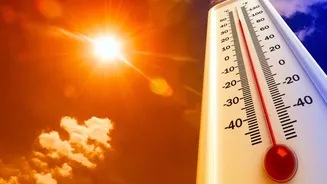
The intensifying heatwaves gripping India are no longer a fleeting seasonal nuisance but have firmly established themselves as a severe public health crisis.
This pervasive warmth demands immediate and sustained attention, moving beyond the typical cyclical concerns of summer. The persistent nature of these extreme temperatures poses significant and evolving threats to the well-being of the populace, necessitating a fundamental shift in how we perceive and address its impact. The ramifications extend far beyond discomfort, directly influencing health outcomes and straining public health systems. Understanding this shift is paramount to developing effective mitigation and adaptation strategies that can safeguard communities against this growing environmental challenge and its cascading effects on everyday life and public health infrastructure.
Preparedness Deficits Exposed
The escalating heat crisis starkly highlights significant shortcomings in our collective preparedness. While the intensity and frequency of heatwaves have become undeniable, existing frameworks and infrastructure often fall short of providing adequate protection. This gap in readiness manifests in various ways, from insufficient early warning systems to a lack of accessible cooling centers and readily available medical support for heat-related illnesses. Public awareness campaigns, while important, are not always effectively reaching vulnerable populations or translating into concrete behavioral changes that can mitigate risk. Furthermore, the planning and resource allocation necessary to manage prolonged periods of extreme heat often lag behind the reality of the threat, leaving communities more exposed when critical moments arrive. Addressing these deficiencies requires a multi-pronged approach involving governmental bodies, community organizations, and individual action.
Infectious Disease Risks
Beyond the immediate dangers of heatstroke and dehydration, the escalating heat crisis significantly amplifies the risk of infectious diseases. Warmer temperatures and altered rainfall patterns create a more conducive environment for the proliferation of disease vectors like mosquitoes and ticks, leading to an increased incidence of illnesses such as dengue, malaria, and chikungunya. Moreover, compromised water sources due to heat-induced stress on infrastructure can lead to outbreaks of waterborne diseases like cholera and typhoid. The weakened state of individuals suffering from heat stress also makes them more susceptible to various infections. Effectively managing this complex interplay between extreme heat and infectious disease transmission requires integrated public health strategies that address both environmental factors and disease control measures simultaneously.
Regulation and Accountability
The growing heat crisis necessitates a strong emphasis on regulation and accountability across various sectors, particularly within healthcare and scientific research. Clearer guidelines and stricter enforcement are needed for building codes to ensure adequate insulation and ventilation, as well as for workplace safety regulations that protect outdoor laborers from extreme heat exposure. Public health bodies need to be empowered with the resources and authority to monitor heat-related health trends, issue timely warnings, and coordinate emergency responses effectively. In the scientific domain, fostering transparency and ensuring that research findings on heat impacts are translated into actionable policy is crucial. Establishing clear lines of accountability for implementing mitigation strategies and for responding to public health emergencies will be key to building resilience against the devastating effects of prolonged heat.
Emerging Insights Shaping Future
As the heat crisis deepens, emerging insights from both healthcare and scientific communities are pivotal in shaping future strategies and interventions. Advances in meteorological forecasting are providing more accurate predictions of heatwave intensity and duration, enabling better preparedness. Medical research is yielding a deeper understanding of the physiological impacts of heat stress on different demographics, leading to more targeted public health advice and treatment protocols. Innovations in urban planning, such as the development of green spaces and heat-reflective surfaces, offer promising avenues for mitigating urban heat island effects. Furthermore, a growing awareness of the social determinants of heat vulnerability is prompting a more equitable approach to resource distribution and support systems, ensuring that the most at-risk populations receive essential assistance during periods of extreme heat.