






Visual Association Power
One of the most effective methods to improve your memory is the power of visual association. This involves creating vivid mental pictures connecting the item
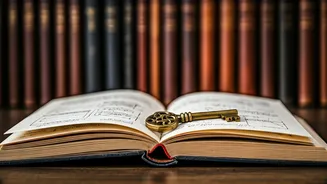
you want to remember with its location. For instance, when you place your keys on the kitchen counter, visualize a giant key sprouting from the counter itself, or imagine the counter as a lock. The more bizarre or unusual the image, the better you will remember it. This technique leverages the brain's natural tendency to recall visual information more easily than abstract concepts. By using visual associations, you make it easier to retrieve information when you need it and minimize the frequency of forgetting where things are. This can also apply to anything from your wallet to essential documents. Regular practice in creating these associations strengthens the neural pathways in your brain, thus making it easier for you to remember where you've placed things and to quickly find them later.
The Location Method
The 'method of loci,' also known as the memory palace, is a classic technique using spatial memory to help you remember items or information. The method involves associating each item you need to remember with a specific location in a familiar environment, such as your house or your commute route. Start by mentally mapping out the route or space. Assign distinct places within the environment (e.g., the front door, the first stair, the dining table, the bookshelf). Then, as you interact with each item, mentally place the item in a pre-assigned location. For example, if you want to remember your phone, imagine a phone ringing on your doorstep. For your wallet, picture it resting on the dining table. The strength of this technique lies in the visual and spatial connection. When you need to recall the items, mentally walk through your route or space and 'see' the items in their designated spots. This method is especially helpful for remembering lists and is adaptable to any environment you're familiar with, increasing your ability to recall and locate things consistently. This can save you time and prevent unnecessary stress.
Mindful Key Placement
Sometimes, the simplest approach is the most effective. Being mindful when placing your keys and other valuables can significantly reduce the chances of forgetting their location. The key here is to create a habit of paying full attention when you put down your keys. Instead of simply tossing them on a random surface, be deliberate about their placement. Choose a specific spot, like a designated key hook, a bowl on the entryway table, or a drawer. Every time you place your keys, consciously note the location and any unique features. Saying the location out loud as you set the keys down can further reinforce this information. For example, 'Keys on the blue table' or 'Keys in the top drawer.' Regular repetition of this practice builds a stronger mental association. With consistent use, you will quickly remember where you place your keys without even trying. The outcome will be you will have fewer frustrating searches and more peace of mind.
The Power of Routine
Establishing routines helps cement habits and makes it easier to remember things. Think of a structured daily regimen as a memory aid. Determine consistent spots for items. For example, always placing your keys, wallet, and phone in the same spot at the end of the day reinforces the association between the item and the location. Build these routines into your daily activities. This could involve, for instance, a morning routine where you immediately place your keys in the designated location as you enter your home. Or at night, you might have another routine. The consistency itself will help develop an automatic habit, so you won’t have to put in extra mental effort. This method minimizes the need to consciously recall where you put your keys because the placement becomes part of your routine. This saves time and minimizes stress, making everyday life much smoother. Creating and maintaining these routines makes it easier to keep track of your essential items, and it streamlines your daily tasks.
Review and Reflect
Regularly reviewing and reflecting on your habits can strengthen your ability to remember where things are. At the end of each day or week, take a few moments to mentally revisit where you have placed your keys, wallet, or other important items. This mental review acts as a reinforcement session for your memory. Think about the specific moments when you placed those items and the locations where you found them. In addition to review, reflect on any patterns or issues. Did you frequently misplace your keys in a certain location or at specific times? Consider how you can adjust your habits to address these patterns. For instance, if you often lose your keys in the evening, adjust your evening routine to prioritize a consistent placement location. By reflecting on your habits and reviewing your actions, you reinforce the mental connections required to remember item locations and identify areas for improvement. This helps create a proactive approach to remembering.