


DHT Blockers Explained
Many hair loss concerns stem from the hormone dihydrotestosterone (DHT). DHT can shrink hair follicles, leading to thinning and eventual baldness, particularly
in individuals with a genetic predisposition. Understanding how DHT-blocking shampoos and treatments work is crucial. These products typically contain ingredients designed to interrupt the conversion of testosterone to DHT or to block DHT from binding to hair follicle receptors. Key ingredients often found in these formulations include ketoconazole, saw palmetto, and certain plant-based extracts. Regular use of effective DHT-blocking shampoos can help to slow down hair loss and, in some cases, promote the regrowth of thicker, healthier hair. The effectiveness can vary from person to person, but consistent application as part of a daily or near-daily routine is generally recommended for optimal results. It's also important to note that these treatments are most effective when started early in the hair loss process.
Essential Hair Regrowth Treatments
When addressing hair loss, a multi-faceted approach often yields the best outcomes. Beyond topical treatments like DHT-blocking shampoos, certain medications and therapies have demonstrated significant efficacy. Minoxidil, available both over-the-counter and through prescription, is a well-established vasodilator that can stimulate hair follicles and prolong the growth phase of hair. Another prominent treatment option involves prescription medications like finasteride, which works by inhibiting the production of DHT, thus directly combating one of the primary causes of male pattern baldness. For those seeking alternative or complementary strategies, advanced therapies such as low-level laser therapy (LLLT) are also gaining traction. LLLT devices, often available as combs or helmets, use specific wavelengths of light to stimulate cellular activity within the hair follicles, promoting growth and thickness. The choice of treatment often depends on the severity of hair loss, individual response, and personal preference, with many individuals finding success by combining different methods.
Understanding Scalp Health
A healthy scalp is the foundation for healthy hair growth. Neglecting scalp care can exacerbate hair loss issues and hinder the effectiveness of treatments. Factors like product buildup, inflammation, and poor circulation can all negatively impact hair follicles. Regular cleansing is vital to remove excess oil, dead skin cells, and residue from styling products that can clog follicles and irritate the scalp. Gentle exfoliation can help to slough off dead skin and promote better cell turnover, creating a more conducive environment for hair growth. Furthermore, addressing scalp conditions such as dandruff or psoriasis is crucial, as these inflammatory issues can directly affect hair follicle health. Massaging the scalp can also be beneficial, as it increases blood flow to the area, delivering essential nutrients and oxygen to the hair follicles. Embracing a holistic approach that prioritizes scalp hygiene and health is a key component of any successful hair regrowth strategy.
Choosing the Right Products
Navigating the vast array of hair care products can be overwhelming, especially when seeking solutions for hair loss. The most effective products often focus on a few key principles: stimulating growth, blocking DHT, and promoting scalp health. When selecting shampoos, look for those specifically formulated for thinning hair or hair loss, often containing ingredients like ketoconazole or biotin. Conditioners should be lightweight and nourishing, avoiding heavy formulas that can weigh down fine hair or contribute to scalp buildup. Serums and topical treatments are where many active ingredients are concentrated. Products containing minoxidil, peptides, or natural extracts known for their hair-enhancing properties can be highly effective. It's also wise to consider styling products that offer volume and protection without harsh chemicals or excessive heat, which can further damage fragile hair. Reading ingredient lists and opting for sulfate-free and paraben-free options can also be beneficial for sensitive scalps and overall hair health.
Lifestyle and Diet Impact
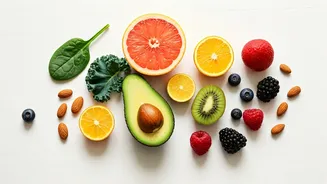
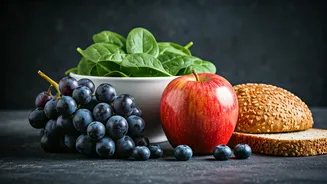
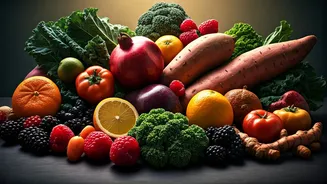
The health of your hair is intrinsically linked to your overall well-being, making lifestyle and diet significant factors in hair growth and retention. A balanced diet rich in essential vitamins and minerals is paramount. Proteins, particularly amino acids like cysteine, are the building blocks of hair. Iron deficiency, or anemia, is a common cause of hair loss, so ensuring adequate intake of iron-rich foods such as lean meats, spinach, and lentils is important. Biotin, a B vitamin, is frequently associated with hair health and can be found in eggs, nuts, and whole grains. Vitamins A, C, D, and E also play crucial roles in cell growth, antioxidant protection, and nutrient absorption. Stress management is another critical element; chronic stress can disrupt the hair growth cycle, leading to increased shedding. Practicing stress-reducing techniques like yoga, meditation, or regular exercise can positively impact hair health. Adequate hydration is also fundamental, as water is essential for all bodily functions, including nutrient transport to hair follicles.