

Reaching Icy Frontiers
Navigating to Glacier Bay National Park requires a journey beyond typical road access, given its remote location west of Juneau, bordered by water and
formidable mountain ranges. Most visitors opt for swift flights, with a short 20 to 40-minute hop from Juneau International Airport to the small Gustavus Airport being the most efficient route. Airlines like Alaska Airlines and Delta frequently service this connection during the summer months. Alternatively, for those seeking a more leisurely, albeit longer, passage, the Alaska Marine Highway offers a ferry service from Juneau to Gustavus. These scenic voyages typically span four to six hours and operate two to three times weekly throughout the summer season. Once you arrive in Gustavus, local lodges often provide convenient shuttle services to help you reach the park's main hub, Bartlett Cove, ensuring a smooth transition into this magnificent natural environment.
Essential Pre-Visit Knowledge
Planning your visit to Glacier Bay National Park necessitates advance arrangements, as accommodations and popular activities tend to fill up rapidly, often by January or February for trips planned between Memorial Day and Labor Day. Bartlett Cove serves as the primary focal point, housing the Glacier Bay Lodge and acting as the departure point for many park excursions. For a more tranquil experience, consider staying in Gustavus, which offers charming lodging options and provides shuttle transport to Bartlett Cove. To truly savor the park’s attractions, dedicating at least three days is advisable, allowing buffer time for potential weather changes like rain or fog, which are not uncommon. It's also important to note that unlike some other national parks, Glacier Bay does not require an entrance pass for visitors, simplifying the initial access requirements for those eager to explore.
Optimal Seasonal Choices
The ideal window for experiencing Glacier Bay National Park is generally considered to be June. During this month, the weather is typically at its most agreeable, creating a pleasant atmosphere for exploration. The surrounding environment comes alive with the vibrant activity of migrating birds, filling the air with their diverse calls, and the landscape around Bartlett Cove is adorned with a colorful display of blooming wildflowers. While June offers these advantages, it's worth noting that mosquitoes can still be present and active into July. As August approaches, the likelihood of rain and fog increases, which can impact visibility and outdoor activities. Regardless of the season you choose to visit, it is always a prudent decision to pack a reliable rain jacket to ensure comfort and preparedness for the unpredictable Alaskan weather.
Unforgettable Park Adventures
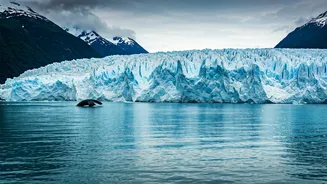
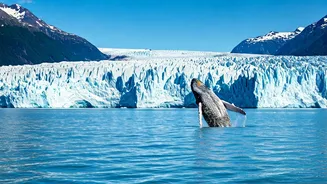
A cornerstone of any Glacier Bay visit is the comprehensive National Park day tour. Embarking from Bartlett Cove aboard a catamaran, this roughly eight-hour excursion offers unparalleled opportunities to witness awe-inspiring sights. Passengers are treated to the potential sightings of magnificent humpback whales, elusive grizzlies roaming the shoreline, majestic bald eagles soaring overhead, and other abundant wildlife. The tour also provides breathtaking views of the dramatic Margerie and Grand Pacific glaciers, colossal ice formations that stand approximately 245 feet from the water's surface. Beyond wildlife viewing, immersing yourself in the rich Huna Łingít culture is a profound experience. The Huna Tribal House, or Xunaa Shuká Hít, a tribute to ancestral clan houses, showcases intricate formline artwork and offers insight into the Huna Łingít people's history through short films. For a more intimate connection with the environment, kayaking on Glacier Bay's pristine waters is highly recommended, with guided tours and rentals available. This allows for close encounters with sea otters, harbor seals, mountain goats, and possibly even moose, all against a backdrop of stunning mountain vistas.
Exploring Scenic Trails
While Glacier Bay National Park is largely a wilderness, several trails offer opportunities for hikers to explore its diverse terrain, primarily located around Glacier Bay Lodge. It is crucial for visitors to remember they are hiking in bear country, making the carrying of bear spray an essential safety precaution before setting out on any path. The Forest Trail, a roughly one-mile loop originating from the lodge, meanders through dense groves of spruce and hemlock before reaching the tranquil shores of Bartlett Cove. This trail is particularly rewarding in spring, with abundant wildflower blooms and active bird migrations; its first half-mile is conveniently accessible via a wheelchair-friendly boardwalk. Additionally, the Bartlett Cove shoreline provides an informal hiking route stretching for six miles towards Point Gustavus. Although not a formally maintained trail, it offers chances to spot bears near the shore, hear songbirds in late spring and early summer, and observe humpback whales feeding just offshore, providing a more rugged and immersive trekking experience.
Comfortable Alaskan Stays
Accommodations within Glacier Bay National Park and its immediate vicinity cater to various preferences, offering a blend of rustic charm and essential amenities. The Glacier Bay Lodge, nestled amongst Sitka spruce trees, provides approximately 50 simply furnished rooms, with some deluxe options boasting picturesque views of Bartlett Cove. This lodge also houses a visitor center, offering valuable information about the park's natural history, wildlife, and cultural heritage. For those seeking a more budget-friendly and immersive camping experience, the free Bartlett Cove Campground is conveniently located within walking distance of the lodge. It features essential facilities like bear-proof storage, composting toilets, and a communal fire pit on the beach, though reservations are required. Outside the park in Gustavus, a range of charming options exist, including the luxurious Bear Track Inn. This 14-room lodge, largely constructed from Alaskan Sitka spruce, offers a refined stay, complete with opportunities to observe local wildlife from its decks. The inn is renowned for its gourmet meals, often featuring fresh local seafood, and facilitates various excursions like fishing trips and private boat tours, while also providing shuttle services to local trailheads and the park lodge.