



Illuminating Your Space
Light is not merely for visibility; it's a fundamental structural element that can dramatically alter the perception of space. Maximizing natural light
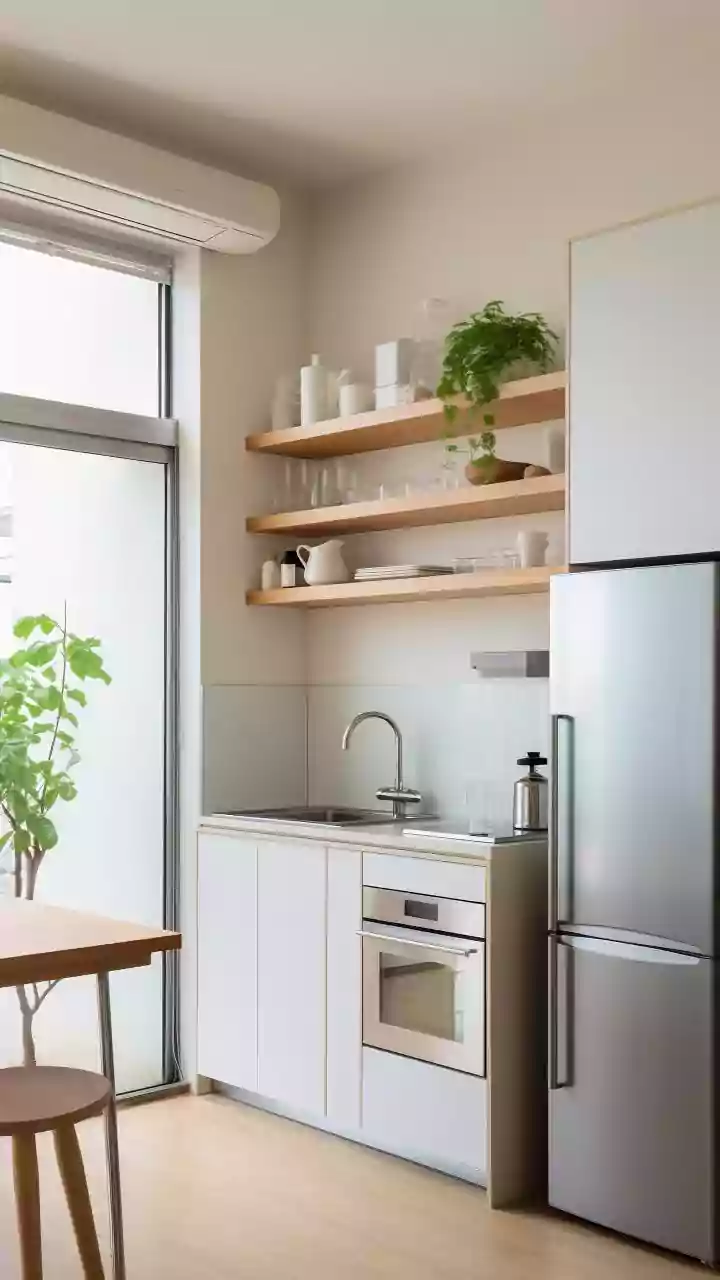
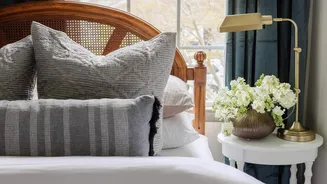
is paramount in a small home. Avoid obstructing windows with heavy draperies or bulky furnishings, allowing sunlight to flood the interiors. Incorporate mirrors strategically; placing them opposite windows amplifies natural light and extends the visual field, almost doubling the perceived size of the room. This technique, rooted in both traditional Indian aesthetics and contemporary design principles, creates an illusion of greater depth. During the evening, adopt layered lighting. Instead of relying on a single overhead fixture that can flatten the space, combine ambient, task, and accent lighting through ceiling lights, wall sconces, and floor lamps. This multi-dimensional approach adds richness and dimension, making the room feel more expansive and inviting.
Color's Spatial Magic
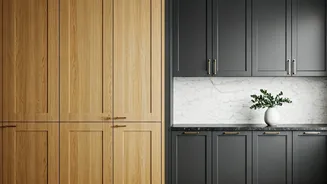
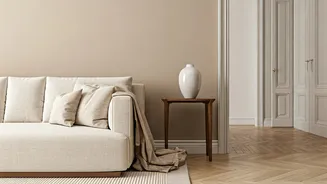
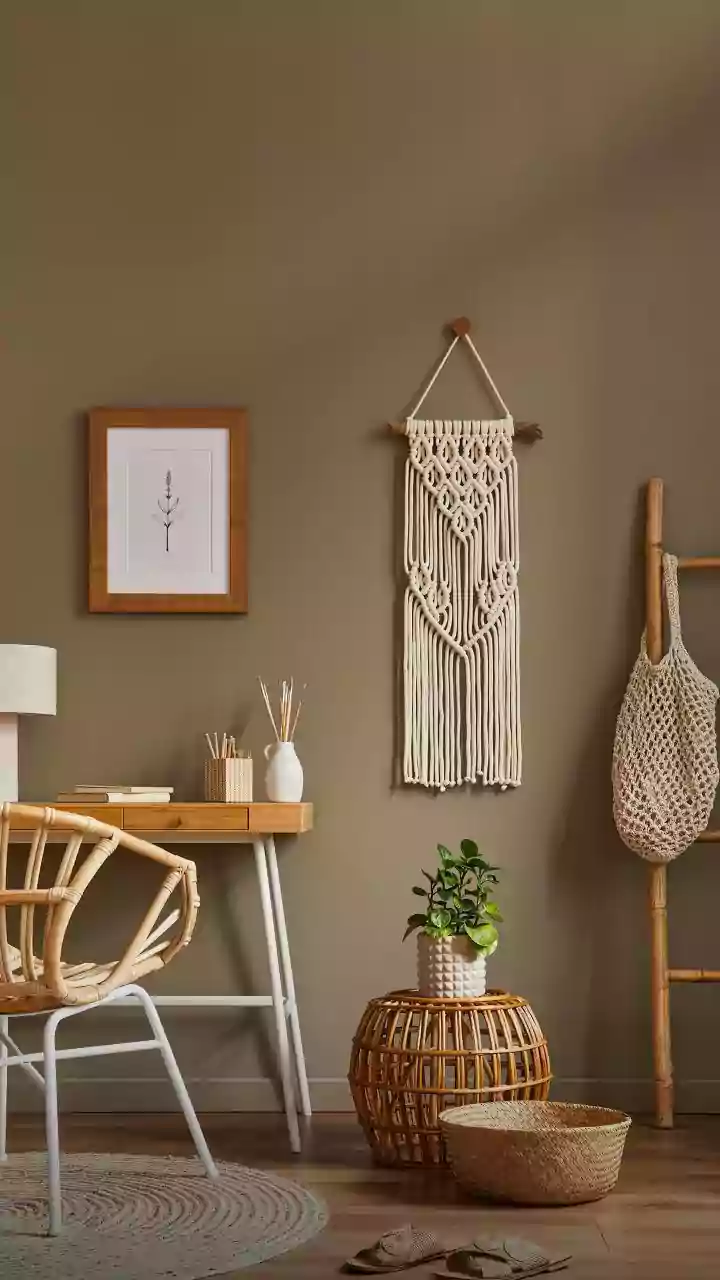
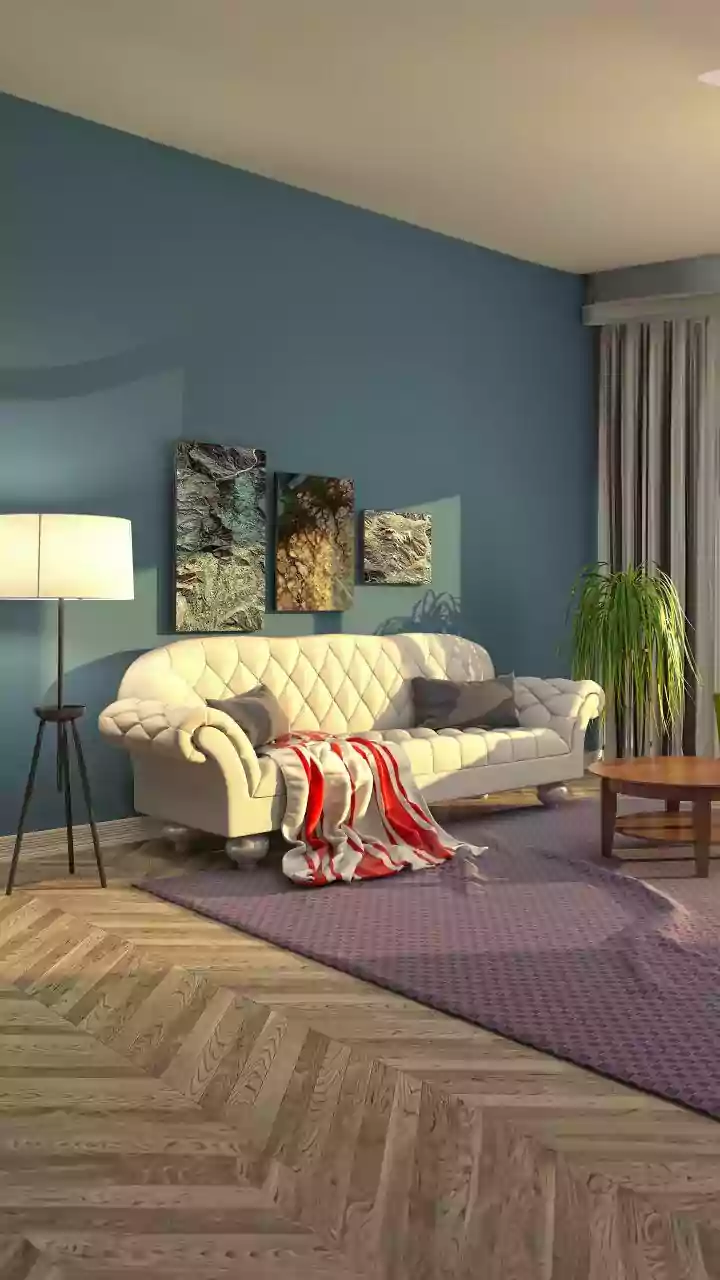
The strategic use of color can significantly influence how a room feels, particularly in compact environments. Employing lighter shades like off-white, soft beige, pale grey, or muted pastels on walls and larger surfaces has a reflective quality, bouncing light around and creating an illusion of openness. This doesn't necessitate a sterile, monochrome aesthetic; introducing character is possible through subtle means. Consider an accent wall with a slightly deeper hue or a textured surface to add visual interest without overwhelming the senses. The key to maintaining a sense of spaciousness lies in color consistency. A limited, harmonious palette fosters a calm visual flow, whereas an abundance of contrasting colors can break up sightlines and make a room feel more enclosed. This unified approach ensures continuity and enhances the feeling of spaciousness.
Design Over Quantity
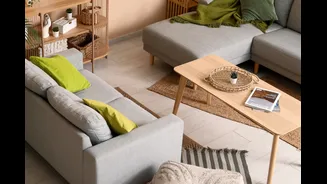
In a confined living area, particularly one as small as 200 sq ft, the selection and placement of furniture become critical. Each piece should justify its presence, ideally by serving multiple functions. Think of adaptable solutions like beds with integrated storage, dining tables that can be folded away, or sofa beds that transition from seating to sleeping. However, the true impact on perceived space comes from scale. Oversized furniture can instantly make even an empty room feel cramped and cluttered. Opt instead for furniture with slim profiles and raised legs. This creates visible floor space, which visually expands the room and lends it an air of lightness and airiness. The goal is not to fill the space with many items, but to choose fewer, well-suited pieces that enhance functionality without sacrificing openness.
Strategy in Orderliness
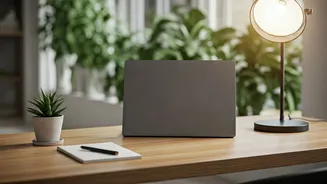
Achieving a sense of spaciousness in a small home is less about extreme minimalism and more about intelligent organization. The perception of space is greatly enhanced by clear surfaces and items stored out of sight. Utilize a variety of storage solutions such as baskets, under-bed compartments, and built-in nooks to keep clutter at bay. The less visual noise there is, the larger the room will feel. It's important, however, to retain a personal touch to prevent the space from feeling stark or impersonal. A few carefully chosen decorative items like a plant, a framed photograph, or a piece of art can inject warmth and personality. A simple guiding principle for decluttering is to assess each item: if it doesn't contribute to function or joy, it's likely occupying valuable space unnecessarily.
Vertical Space Mastery
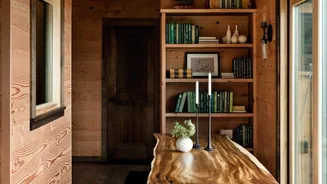
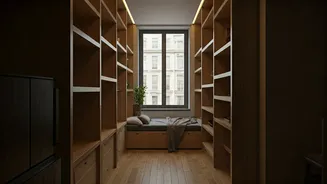
When floor area is limited, the walls present a valuable opportunity for both storage and visual expansion. However, haphazardly filling wall space can be counterproductive. Embrace a layered approach to vertical organization. Install open shelving higher up for items that are not frequently used, keeping eye-level surfaces clear for everyday essentials. This strategy maintains a sense of openness at the lower half of the room. Furthermore, tall shelving units that extend to the ceiling can actually enhance the feeling of height, making the room appear taller rather than smaller, provided they are kept neat and uncluttered. A visually organized wall can do wonders for perceived space; conversely, a cluttered wall can shrink a room more effectively than a cluttered floor.
Uninterrupted Sightlines
A common reason for small homes feeling cramped is the constant visual interruption that breaks the flow of sight. Sharp contrasts in color, bulky dividers, and crowded arrangements can make a space feel smaller than it is. To counteract this, prioritize open sightlines. Use low-profile furniture and avoid tall, obstructive partitions. Aligning key furniture pieces along the walls can also contribute to a sense of depth. Architects suggest that a room feels significantly larger when the eye can travel freely across it without encountering barriers. If room separation is necessary, opt for solutions that define zones without closing them off entirely. Glass partitions or sheer curtains are excellent choices, as they delineate areas while maintaining a sense of openness and continuity.