


Akshay's Samosa Stand
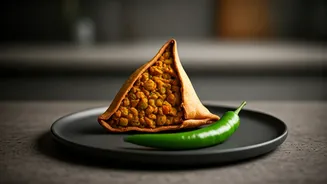
Bollywood's action hero, Akshay Kumar, has revealed a peculiar dietary restriction: he hasn't touched a samosa in a staggering 15 years. During a recent
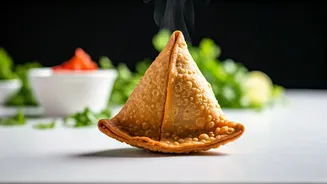
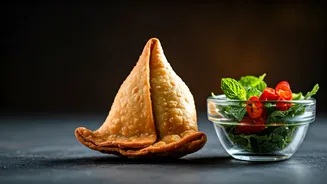
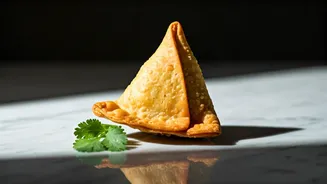
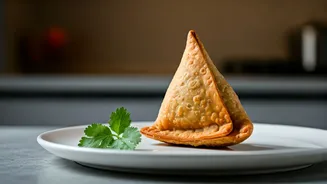
appearance on the game show 'Wheel of Fortune,' the actor candidly discussed his prolonged abstinence from this beloved Indian snack. Kumar clarified that his decision isn't rooted in a diet plan or weight management goals, but rather a personal physiological reaction. He explained that consuming samosas triggers discomfort and acidity within his body, leading him to steer clear. Interestingly, he even mentioned that he had not eaten a single samosa while filming the iconic song 'Jab Tak Rahega Samose Mein Aaloo,' highlighting the consistency of his choice. This personal anecdote sheds light on how individual bodily responses can shape dietary habits, even for popular and widely enjoyed foods.
Health Risks of Samosas
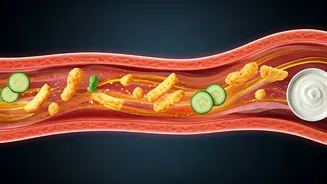
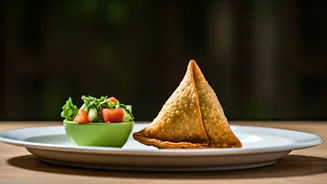
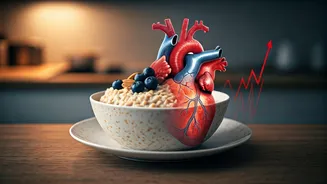
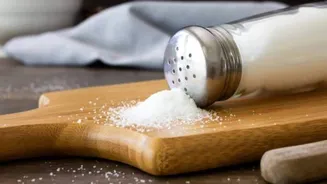
The appeal of samosas, with their crispy exterior and flavorful potato filling, is undeniable, but their regular consumption can pose significant health challenges. Dr. Parin Sangoi, a consultant interventional cardiologist, elaborates on the cumulative impact of fried and processed foods like samosas. He explains that each serving contributes to the buildup of cholesterol in arteries, triggers inflammation, and induces oxidative stress within the vascular system. Over time, this can lead to the formation of arterial plaque, narrowing of blood vessels, and consequently, reduced blood flow to vital organs like the heart. Dr. Sangoi further emphasizes that foods high in trans fats, carbohydrates, and salt can stiffen artery walls, elevate blood pressure, and disrupt the delicate balance between 'bad' and 'good' cholesterol, potentially paving the way for serious cardiovascular issues in the future.
Healthier Snack Swaps
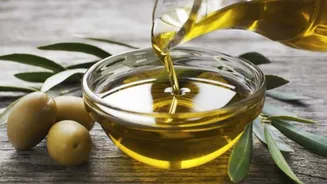
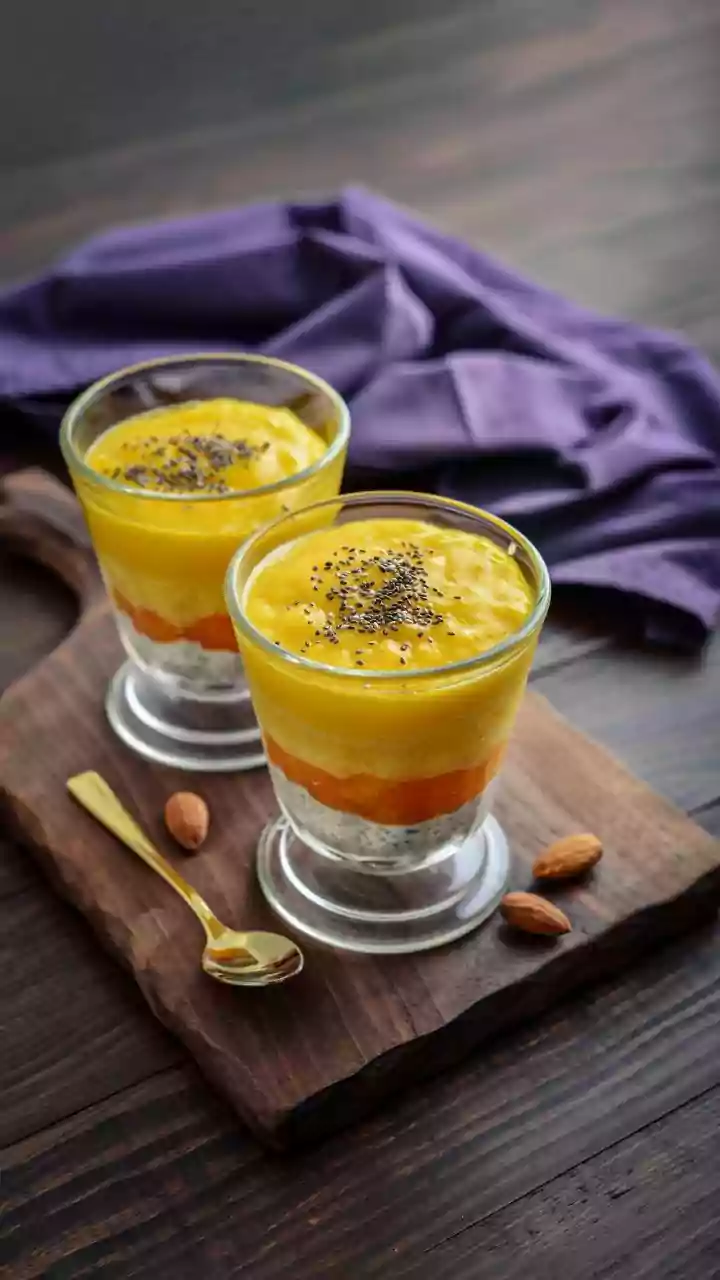
While the traditional samosa might be a culinary delight, its health implications are undeniable. Fortunately, healthier preparation methods and alternative snack options can satisfy cravings without compromising well-being. Vedika Premani, a clinical dietician, suggests incorporating functional foods like ginger, cinnamon, and cardamom into samosa recipes to enhance taste and provide immune-boosting and anti-inflammatory benefits. Furthermore, using healthier cooking oils and techniques such as baking or air-frying can significantly reduce the fat content. For those looking to completely avoid samosas, a variety of nutritious alternatives are available. These include baked ragi chips paired with hummus, light and airy dhokla, puffed makhana (fox nuts), zesty chana chaat, and crispy khakara served with a hung curd dip. Air-fried vegetables also offer a fantastic substitute for deep-fried pakoras, providing a similar crunch with far fewer calories and less unhealthy fat.