






Mindful Eating Matters
The way you eat significantly impacts your digestion. Begin by slowing down. This means savoring each bite and thoroughly chewing your food. Chewing breaks
down food particles, making it easier for your stomach to digest. Also, taking your time allows your body to register fullness, which may prevent overeating. Aim to chew each mouthful multiple times. This simple step can considerably reduce the amount of gas produced. Practice mindful eating by focusing on your food, its texture, smell, and taste. Avoid distractions like screens, and enjoy your meal without rushing.
Choose Low-Gas Foods
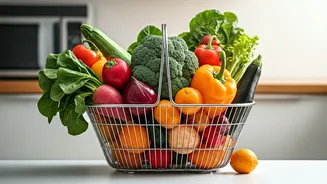
Certain foods are notorious for producing gas. It's wise to be aware of foods that often lead to bloating and discomfort. Minimize consumption of these items to aid your digestion. Commonly problematic foods include beans, lentils, broccoli, cabbage, onions, and carbonated drinks. Limiting your intake of these foods can significantly reduce gas production. Experiment with substitutions to find alternatives that agree better with your system. For example, explore different vegetables, or prepare beans in ways that reduce their gas-producing effects, such as by soaking and sprouting them. Pay attention to how your body reacts to various foods and adjust your diet accordingly.
Post-Meal Activity
What you do after eating is as crucial as what and how you eat. Avoid lying down immediately after meals. Lying down can slow down digestion and trap gas, leading to bloating and discomfort. Give your body time to process the food. Try to stay upright for at least an hour after eating. Gentle activities like a short walk can actually assist digestion by stimulating the movement of food through your digestive tract. Avoid intense exercise right after eating, as it can sometimes divert blood flow from digestion. Staying active, but not overly so, promotes a healthier digestion process and reduces the chances of post-meal gas.
Smaller, More Frequent Meals
Changing the frequency and size of your meals is another strategy. Instead of eating three large meals a day, consider eating smaller portions more frequently. Eating smaller portions reduces the load on your digestive system, making digestion easier. More frequent meals can prevent you from feeling overly full, thus reducing the likelihood of bloating. This approach helps maintain a more consistent level of energy throughout the day. Listen to your body and adjust the timing and size of your meals based on your comfort level and how you feel after eating. This strategy is about finding a balance that supports optimal digestion.
Probiotics: Nature's Helpers
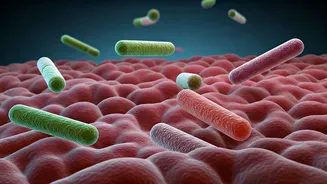
Introducing natural probiotics into your diet is a good idea. Probiotics are beneficial bacteria that live in your gut and support a healthy digestive system. These microorganisms can aid in breaking down food and reducing gas production. You can find probiotics in foods like yogurt, kefir, sauerkraut, and kimchi. Regularly incorporating these foods into your diet can improve the balance of bacteria in your gut. Consider a probiotic supplement if you're not getting enough through your diet. Consult a healthcare professional before starting any new supplements to ensure they are the right choice for you and won't interact with any existing medications or conditions.
Limit High-Fat Foods
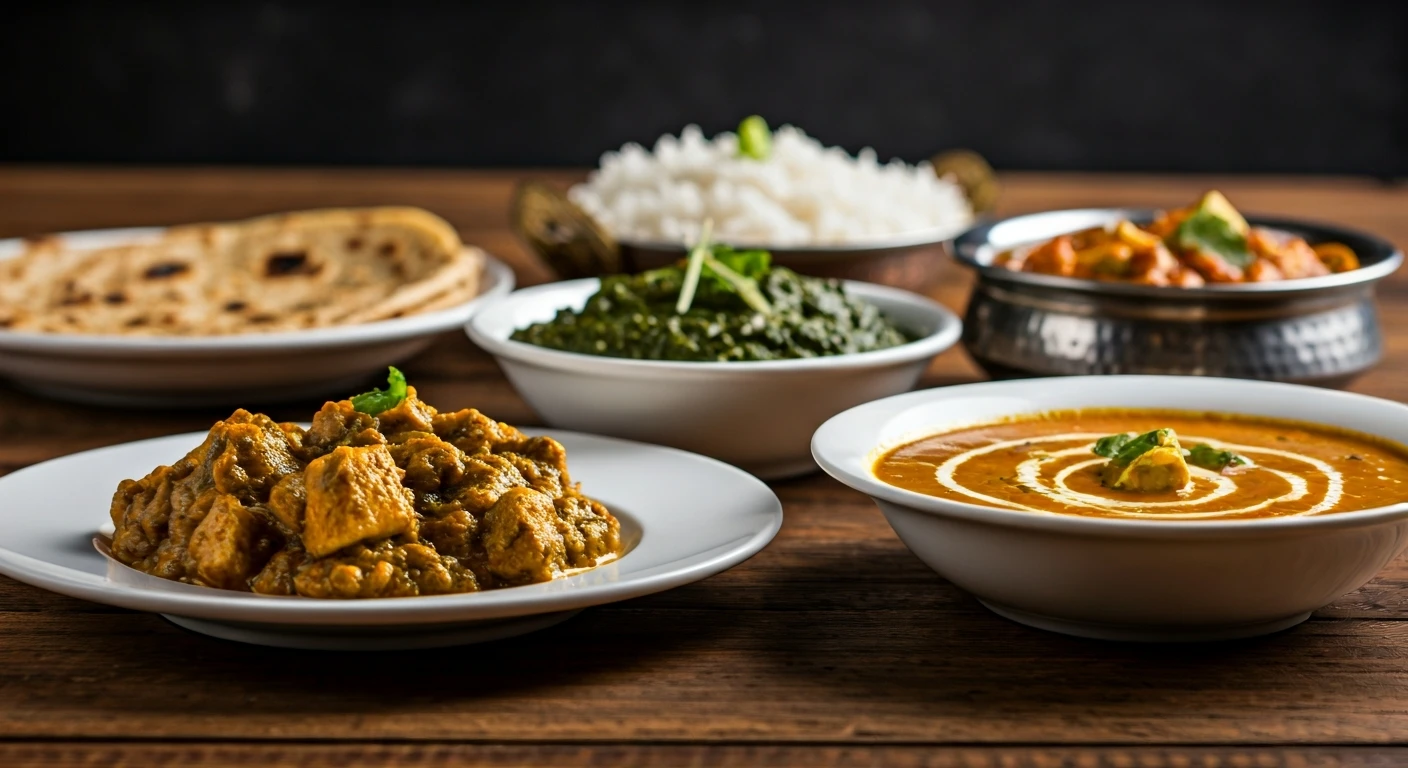
High-fat foods can be slow to digest, leading to potential discomfort. These types of foods take longer for your body to break down, which can sometimes lead to gas and bloating. Consuming a lot of high-fat foods may also make you feel overly full or heavy. Try to be mindful of your intake of foods like fried foods, processed snacks, and rich sauces. Opt for leaner protein sources and cooking methods, such as grilling, baking, or steaming, to keep fat content down. By making these food choices, you can enhance your digestion. Pay attention to how different fats affect your body, and make adjustments to support your overall digestive wellness.