






Mediterranean Garden Essence
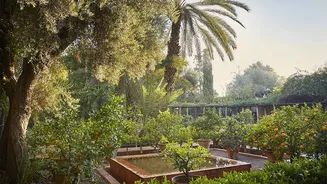
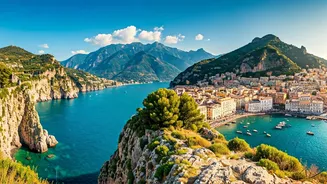
Mediterranean gardens capture the laid-back beauty of coastal areas, evoking a sense of vacation and ease. Their popularity stems from a combination of drought-tolerant,
fragrant plants and a relaxed aesthetic, reminiscent of regions like Spain and Italy. While often associated with low maintenance, these gardens still benefit from thoughtful care to ensure their vitality. They are characterized by their ability to thrive in drier climates, offering a sensory experience through scent and a visually appealing, tranquil atmosphere. This style is increasingly favored for its environmental benefits and its ability to bring a touch of global beauty home.
Foundation: Hardscaping Choices
Establishing the right hardscaping is a crucial first step in designing your Mediterranean garden, as it dictates the overall layout and the amount of planting space available. Gravel and stone are exceptionally well-suited for this garden style due to their natural appearance and low maintenance requirements. Gravel, in particular, lends a relaxed feel and can serve as an effective mulch, seamlessly integrating planting beds with pathways or driveways. By carefully selecting the materials and planning the arrangement of garden walls and paths, you create a solid foundation that enhances the garden's aesthetic and functionality, paving the way for thoughtful plant selection.
Strategic Plant Selection
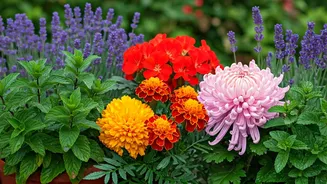
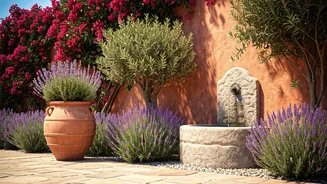
Selecting the right plants is paramount to achieving the desired Mediterranean garden feel, focusing on drought tolerance, fragrance, and ecological benefits. Key plants often include lavender, rosemary, olive trees, santolina, teucrium, agave, and Santa Barbara daisy, known for their resilience and aromatic qualities. Other common inclusions are arborvitae, spurge, jasmine, and grapevines, which add texture and vertical interest. When choosing plants, consider those that support pollinators and are harvestable, adding another layer of enjoyment. A design trick for achieving a calm, cohesive look is plant repetition, especially since many Mediterranean plants share similar foliage, making it easier to create a soothing and balanced display.
Crafting Your Planting Plan
With your hardscaping and plant list in hand, the next step is to develop a planting plan that brings your vision to life. It's beneficial to start this process right after the first frost or during the fall. Remember that creating a Mediterranean garden doesn't require an all-at-once approach; you can implement your design in phases to manage costs and workload effectively. Consider which elements you'll tackle yourself and what might require professional help. The goal is to arrange plants harmoniously, considering height and pruning needs to prevent overcrowding and ensure each plant contributes to the overall aesthetic, creating a lush yet manageable garden.
Inspirational Garden Elements
Drawing inspiration from existing Mediterranean gardens can guide your design choices, highlighting various approaches to beauty and functionality. Large-scale gravel gardens, like those in Tuscany, demonstrate water conservation and a minimalist aesthetic ideal for dry climates. Tall shrubs can provide privacy and structure, creating intimate spaces within your yard, as seen in Ibiza-inspired designs. A "wild and free" rock garden blends natural elements with carefully chosen plants such as Eriocephalus africanus and Lavandula dentata. Layered planting, alternating rows of diverse flora, creates visual interest by accentuating individual plant textures and colors. Fragrant blooms, even when subtle visually, can transform the evening air, while lush garden beds showcase how to maintain fullness in arid conditions through strategic arrangement and pruning.