





Mawsynram's Rain Kingdom
Nestled within India's Meghalaya state, Mawsynram reigns supreme as the planet's most water-logged locale. This remarkable place, strategically positioned
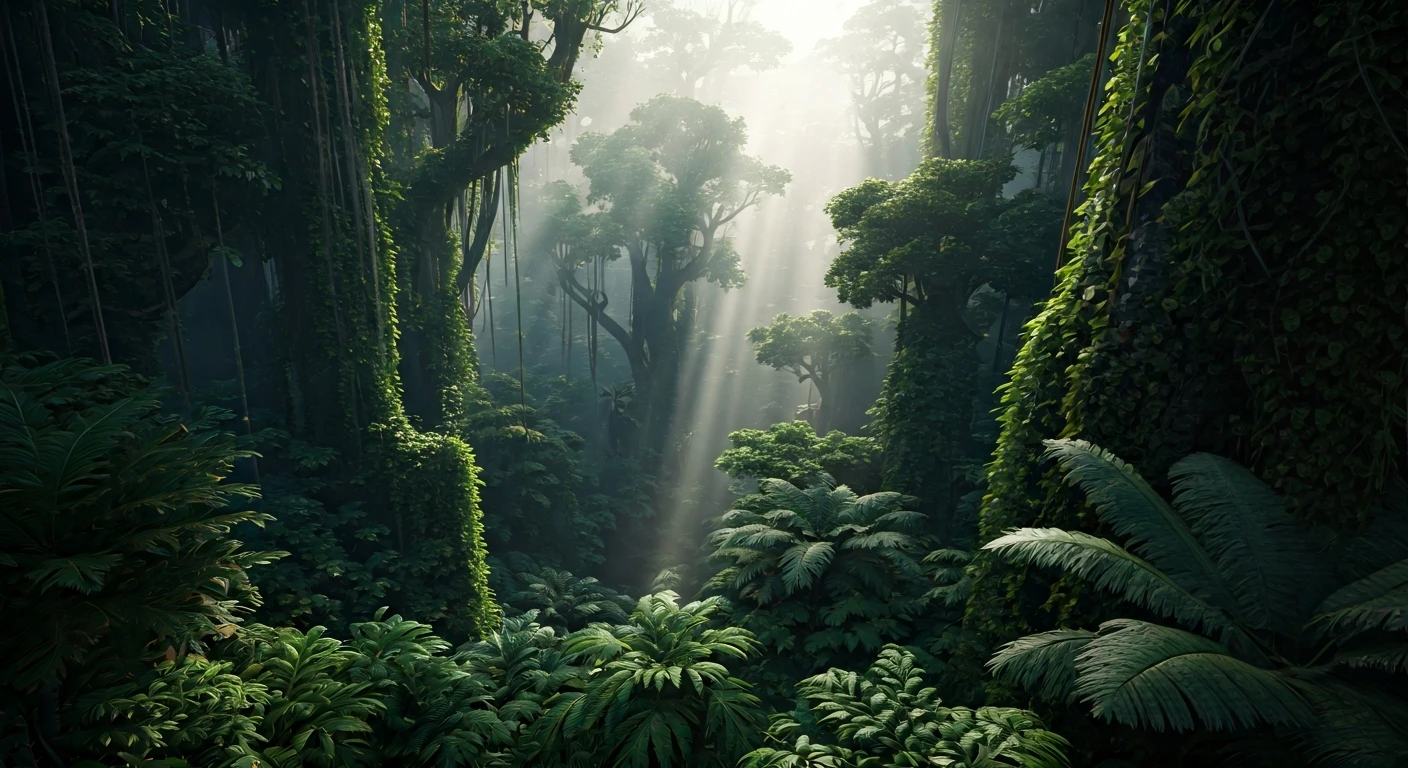
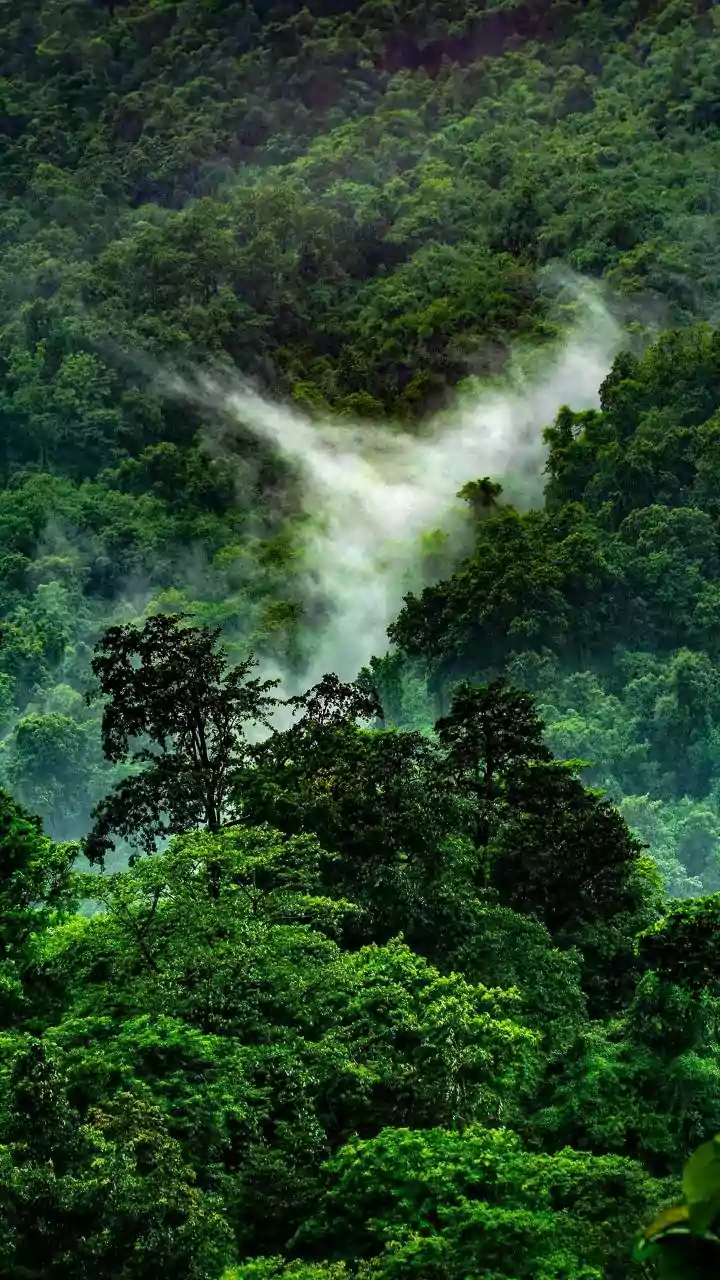
in the Khasi Hills, intercepts the moisture-laden winds of the Bay of Bengal monsoon, resulting in an awe-inspiring average annual rainfall exceeding 11,000 mm. The consequence of this perpetual deluge is a landscape of unparalleled verdancy. Rolling hills are carpeted in emerald green, punctuated by numerous cascading waterfalls. The indigenous Khasi community has even developed a unique adaptation to this environment: living root bridges, meticulously woven from the aerial roots of trees, which grow stronger and more robust with each passing rainy season. This region is a testament to how extreme precipitation can shape both nature and human ingenuity.
Cherrapunji's Cascading Beauty
Though now sharing the spotlight, Cherrapunji, also located in Meghalaya, India, once held the title of the world's wettest spot and continues to receive exceptional volumes of rain. Its geography is defined by dramatic, sheer cliffs that are often shrouded in mist and adorned with spectacular waterfalls. The renowned Nohkalikai Falls, plunging from a great height, is a prime example of the breathtaking natural artistry sculpted by relentless rainfall. The region's caves and unique rock formations further speak to the erosive power and transformative influence of consistent precipitation. Cherrapunji offers a vivid illustration of how persistent rainfall can sculpt profoundly beautiful and dramatic landscapes, making it a must-see for those fascinated by nature's raw power.
Tutunendo's Tropical Downpour
In the Choco region of Colombia lies Tutunendo, a place that stands out as one of South America's most consistently rain-soaked inhabited areas. The statistics here are staggering, with annual rainfall figures frequently surpassing the 11,000 mm mark. What's particularly remarkable is the near-daily occurrence of rain, making this a truly immersive experience in a perpetually damp environment. This relentless moisture is the lifeblood of the surrounding tropical rainforest, fostering an environment of exceptional biodiversity. The dense vegetation, vibrant flora, and diverse fauna are all products of this intensely wet climate, contributing to Tutunendo's status as a global hotspot for biological variety and a prime example of life thriving under extreme conditions.
Debundscha's Mountain Embrace
At the foot of the majestic Mount Cameroon, the village of Debundscha experiences a unique meteorological phenomenon. The prevailing moist winds originating from the ocean are forced upward by the mountain's imposing presence. As these winds ascend, they cool, leading to rapid condensation and consequently, extremely heavy rainfall. Annual precipitation here can reach an astonishing 10,000 mm. Despite the challenging weather conditions that saturate the area, Debundscha offers a captivating natural spectacle. Its striking coastal vistas are amplified by the dramatic volcanic backdrop of Mount Cameroon, creating a visually arresting contrast between the persistent rain and the rugged, awe-inspiring terrain.
Cropp River's Record Deluge
The remote Cropp River area in New Zealand's Southern Alps is renowned for holding the extraordinary record for the highest rainfall documented in a single year, an astonishing figure exceeding 18,000 mm. This extreme precipitation is a direct consequence of the region's dramatic topography. The imposing Southern Alps act as a formidable barrier, forcing moisture-laden air currents from the Tasman Sea to ascend rapidly. This abrupt uplift causes the air to cool dramatically, leading to intense condensation and the resulting frequent, torrential downpours. The landscape here is shaped by this constant deluge, characterized by steep valleys and vibrant, rain-fed vegetation, showcasing the sheer power of geographical features in dictating climatic extremes.