


Seed Origins & Origins
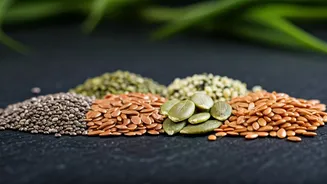
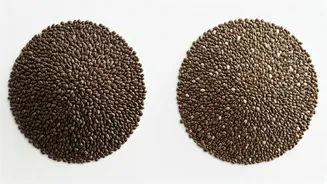
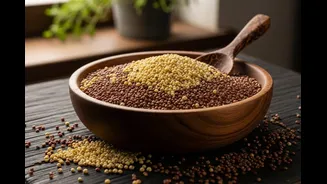
Sabja seeds hail from the aromatic sweet basil plant, a common culinary herb, while chia seeds originate from the Salvia hispanica plant, a member of the mint
family indigenous to Mexico and Guatemala. Though both are small, oval seeds that transform into a gel-like substance when hydrated, their botanical roots differ significantly, influencing their unique properties and applications. Understanding their distinct plant sources is the first step in appreciating their individual contributions to our diets.
Swelling Texture & Feel
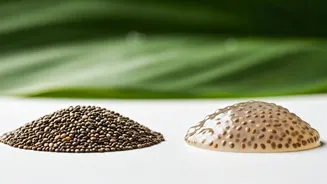
A notable divergence between sabja and chia seeds lies in their hydration behavior and resultant textures. Sabja seeds, when immersed in liquid, develop a substantially thicker, more gelatinous coating, presenting a delightful tapioca-like chewiness that enhances beverages and desserts. In contrast, chia seeds absorb water to form a lighter, less viscous gel, and while they swell considerably, their texture is generally less pronounced than that of sabja seeds. Sabja seeds also exhibit a greater degree of expansion, making them ideal for adding bulk and a unique mouthfeel to dishes.
Nutrient Powerhouses Compared
While both seeds are nutritional powerhouses, their specific nutrient emphasis varies. Chia seeds stand out for their exceptionally high concentration of omega-3 fatty acids (ALA) and are also a rich source of calcium, crucial for bone health. Sabja seeds, though also beneficial, are particularly lauded for their significant fiber content and are a good source of iron. Additionally, sabja seeds contain potent antioxidants like anthocyanins and flavonoids, which contribute to their deep color and may offer anti-inflammatory benefits, complementing the well-known health advantages of chia seeds.
Kitchen Versatility & Use
The culinary applications of sabja and chia seeds cater to different preferences and meal types. Sabja seeds are a beloved ingredient in traditional Indian beverages such as falooda, sherbet, and lassi, where they impart a refreshing textural element. They also find their way into various puddings and desserts. Chia seeds, on the other hand, boast greater versatility; they are readily incorporated into smoothies, yogurt parfaits, oatmeal, and baked goods, and can even serve as an effective egg substitute in vegan baking, offering a broader range of integration into daily meals.
Targeted Health Benefits
Both sabja and chia seeds contribute to overall well-being, but they offer distinct primary health advantages. Sabja seeds are highly regarded for their natural cooling properties, making them excellent for soothing digestive discomfort, reducing acidity, and alleviating issues exacerbated by body heat, particularly during warmer months. Chia seeds are celebrated for promoting heart health, thanks to their abundant omega-3s, and supporting bone density due to their calcium and phosphorus content. Their high fiber also aids in digestion and promotes a feeling of fullness, beneficial for weight management and blood sugar control.