
A New Era
The face of pilgrimage in India is evolving. It is no longer defined solely by reaching a sacred site; instead, the focus has shifted towards the experience
itself. Contemporary spiritual travelers, often younger and conscious of their time, now seek meaningful rituals enhanced by comfort, expert guidance, and meticulous planning. This involves carefully orchestrated darshan times, guided rituals, and premium accommodations conveniently located near temples. Travel agencies such as Thomas Cook India and SOTC Travel have noted a growing desire for trips that seamlessly combine devotion, cultural discovery, and effortless execution. This evolving trend reflects a broader cultural shift towards prioritizing quality and convenience within spiritual journeys, making faith-based travel a more accessible and enriching experience.
February's Spiritual Surge
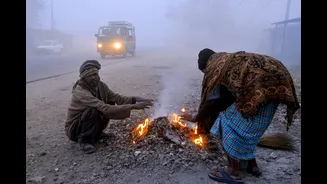
The month of February 2026 witnessed a significant surge in spiritual and pilgrimage tourism within India's thriving travel sector. Maha Shivratri, which occurred on February 15th, saw an increase in pilgrim traffic across key Jyotirlingas located in Maharashtra and Madhya Pradesh, along with Varanasi and Somnath. The cooler weather during this period made the Ayodhya–Kashi corridors and Shakti Peeth routes particularly appealing for those seeking assisted, temple-focused travel experiences. This trend underscored the importance of seasonal considerations in pilgrimage planning, with travelers seeking comfortable and convenient travel options to align with auspicious events and favorable weather conditions. The rise in demand during this period highlighted the importance of well-managed and curated travel itineraries to meet the needs of modern pilgrims.
March & Springtime
March 2026 brought with it the vibrant celebrations of Holi, transforming Vrindavan and Mathura into bustling hubs centered around Krishna. Simultaneously, the Chaitra Navratri, commencing on March 19th, drew pilgrims to goddess temples situated across Uttarakhand and eastern India. The pleasant spring weather in Odisha offered ideal conditions for visiting the Jagannath circuit. During this time, the Char Dham portals opened, which prompted early bookings for professionally managed departures. This season was marked by a confluence of significant religious events, providing travelers with a diverse range of pilgrimage options. The combination of vibrant festivals, favorable weather, and the commencement of key pilgrimage routes collectively highlighted the dynamic nature of India's spiritual tourism landscape.
April & May Journeys
April 2026 provided another opportunity to visit a temple, as Akshaya Tritiya encouraged temple visits across western India. The Char Dham pilgrimage continued alongside early Kailash Mansarovar departures. The anticipation for the Jagannath Rath Yatra began to build, ensuring Puri remained a significant destination despite the summer heat. In May, the Sabarimala's Mandala–Makaravilakku season drew pilgrims to Kerala. Complementing this, visits to the Padmanabhaswamy Temple and Christian heritage routes across Goa and Meghalaya rounded out the year's diverse spiritual experiences. This combination of events showed how the pilgrimage calendar is structured, offering a range of destinations and experiences throughout the year.
June, Monsoon & Beyond
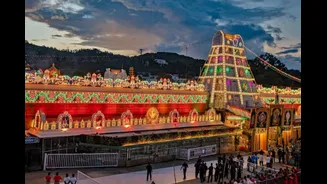
June saw extended itineraries gaining traction, with travel from Ram Navami spilling over into Ayodhya, Sitamarhi, and Bhadrachalam. Ramayan-themed circuits and South India's temple towns, such as Tirupati, Madurai, and Rameswaram, continued to blend heritage with devotion. As monsoons eased, September served as a quieter window for Char Dham, offering a less crowded pilgrimage experience. During the period of September, Navratri to Vijayadashami fueled pilgrimages to Shakti Peeths in West Bengal, Assam, and Bihar. The Ayodhya–Kashi corridor and Mysuru Dussehra added layers of spiritual and cultural significance. These months demonstrate the year-round nature of Indian pilgrimage, with events and routes that cater to different preferences and interests, all while adjusting to weather patterns.
October to December
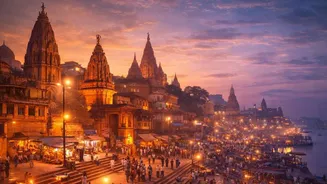
October saw large-scale river rituals. Magh Mela and auspicious snan dates at Prayagraj’s Triveni Sangam, along with Gangasagar in West Bengal, saw peak demand. In the South, Arudra Darshan drew devotees to Chidambaram and Tiruvannamalai, while harvest-linked observances prompted regional temple visits across North India. November witnessed Diwali and Dev Deepawali transforming Varanasi into a glowing spiritual epicenter. Guru Nanak Jayanti drew travelers to Punjab, and Pushkar blended ritual with heritage festivities. December had Onam bringing travellers to Kerala, while Nag Panchami and pre-Janmashtami visits animated temples across Maharashtra, Karnataka and Gujarat. Krishna Janmashtami and Ganesh Chaturthi triggered widespread travel to Mathura, Dwarka, Maharashtra and Goa. These months represent a period of high activity, filled with festivals and rituals, that attract pilgrims and tourists from all over.