





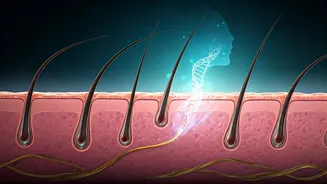

The Body's Stress Response
When you undergo significant weight loss or drastically cut calorie intake, your body perceives this as a crisis, activating a 'survival mode.' Normally,
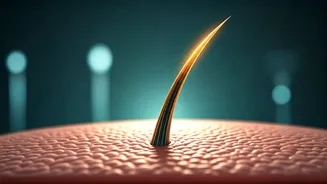
hair follicles are in a growth phase (anagen) or a resting phase (telogen). However, under extreme nutritional stress, a substantial portion of these active follicles can be prematurely pushed into the resting phase. This phenomenon, known as telogen effluvium, doesn't immediately manifest as hair loss. The visible shedding typically occurs a few months after the dietary changes, usually two to four months post-initiation of the restrictive diet.
Key Triggers for Hair Fall
Several factors contribute to this sudden shedding, often occurring concurrently during intense weight loss efforts. Firstly, inadequate nutrition, particularly insufficient protein, deprives your hair of keratin, its primary building block. Diets low in essential micronutrients like iron, zinc, biotin, and vitamins A, C, D, E, and B12 can essentially halt the functioning of hair follicles. Secondly, rapid fat loss disrupts hormonal balance, affecting insulin sensitivity, estrogen, testosterone, and thyroid levels. These hormonal shifts directly impact the hair growth cycle, leading to increased shedding. Lastly, the sheer metabolic shock of rapid weight reduction, or procedures like bariatric surgery, can act as a significant physical stressor, triggering hair loss independently of nutritional deficits.
Weight Loss Drugs & Hair Loss
The rise in popularity of weight-loss medications like Ozempic, Wegovy, and Mounjaro has coincided with an increase in reported hair loss. However, current dermatological research indicates that these drugs are not directly toxic to hair. Instead, the hair shedding experienced is a secondary consequence of the substantial and rapid weight loss these medications facilitate. Studies reveal a direct correlation: drugs that induce a greater magnitude of weight loss tend to have a stronger association with hair shedding. This effect is more pronounced at higher doses used for obesity treatment, where significant weight reduction often leads to accompanying hair loss.
Regrowth and Prevention Strategies
The good news is that this type of hair loss is generally temporary. Once your body's weight stabilizes and calorie intake is adequate, hair follicles will typically reactivate. Shedding usually subsides within three to six months, and most individuals regain their original hair density within nine to twelve months. To prevent or minimize this, aim for gradual weight loss, targeting one to two pounds per week, to reduce systemic stress. Ensure your daily calorie intake does not fall below 1,000 calories to avoid starving your scalp. Prioritize protein intake, aiming for 70 to 100 grams daily to support keratin production. Instead of random multivitamin use, consider getting blood tests to identify and target specific nutrient deficiencies, such as iron and zinc, for a more effective approach.