







House Mouse
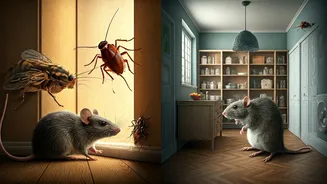
House mice, tiny but persistent, are a frequent home invader. They are drawn to food sources and shelter, making homes an ideal habitat. These creatures
are nocturnal, scurrying through walls and dark corners, leaving droppings and gnawing marks as evidence of their presence. They breed quickly, leading to rapid population growth. Keeping food sealed in airtight containers and regularly cleaning up crumbs are vital to deter them. Traps and professional pest control services can help manage infestations. Controlling access points like gaps around pipes and wires is also important in preventing entry. Preventing infestations requires a comprehensive approach, combining preventative measures with targeted actions.
Common Cockroaches
Cockroaches are among the most detested of household pests. They thrive in warm, damp environments, finding everything they need in the average home. They are omnivores, feeding on virtually anything organic, from food scraps to paper. Cockroaches are nocturnal, and you are more likely to see them at night. Their ability to squeeze through tight spaces and their rapid reproduction rate make them challenging to eliminate. Regular cleaning and sanitation are crucial for controlling cockroach populations. Professional pest control is frequently needed to eliminate existing infestations. Sealing cracks and gaps in walls and around pipes can reduce their entry points. Regular inspection and targeted treatments are necessary to control these resilient pests.
Ants Marching In
Ants are another common household pest, often entering in search of food and water. Several species can invade homes, from tiny sugar ants to larger carpenter ants. They travel in trails, making it easy to spot the source of their activity. Ants are social insects, with colonies often located outside, under sidewalks, or within wall voids. Addressing ant problems involves identifying their food sources and entry points. Cleaning up spills and crumbs, storing food in sealed containers, and sealing cracks and crevices are all effective steps. Ant baits and insecticides can eliminate the colonies, but these are most effective when applied at the points of entry and within their trails. Professional intervention may be needed for large infestations.
Silverfish and Friends
Silverfish are small, wingless insects that favor damp, dark places like basements, bathrooms, and attics. They eat starchy items such as paper, glue, and fabrics, causing damage to books, clothing, and other stored items. Silverfish are most active at night and can live for several years. They are drawn to moisture and can easily infiltrate homes. Controlling silverfish involves eliminating moisture sources, such as fixing leaks and ventilating damp areas. Storing important items in airtight containers can protect them. Insecticides and traps can help to control their numbers. Regularly cleaning and inspecting areas where they are likely to hide is essential to preventing silverfish infestations.
Spiders' Web
Spiders, while often considered unwelcome, are beneficial in that they eat other insects. Different types of spiders, from common house spiders to larger varieties, can make their homes indoors. They create webs in corners, under furniture, or in other undisturbed areas. Spiders can enter through cracks, open windows, and gaps around doors. Controlling spiders includes reducing the insect population they feed on. Regularly vacuuming and dusting can eliminate webs and remove spiders. Seal cracks and openings around your home to prevent their entry. While many spiders are harmless, some can bite, making it important to be cautious.
Rodent Rat Race
Rats, such as the Norway rat and the roof rat, are larger and more destructive than mice. They can cause significant damage by gnawing on wires, pipes, and other materials. Rats carry diseases and contaminate food and surfaces. Rats are also nocturnal and prefer to nest in dark, secluded areas. They can enter through small openings and are adept climbers. Prevention includes removing food sources, sealing entry points, and keeping the surrounding environment clean. Rat traps and poisons are effective, but professional pest control is generally recommended to get rid of rats. Rodent control is critical for maintaining sanitation and preventing disease transmission.
Termites' Silent Threat
Termites are silent home invaders, often causing extensive structural damage before their presence is noticed. They feed on wood and cellulose-based materials, silently eating away at the structure of your home from within the walls and foundations. Termites live in colonies, and their nests can be located underground, inside wood, or in other hidden areas. Early detection is key, with signs including mud tubes, damaged wood, and discarded wings. Termite control generally involves a combination of chemical treatments, baiting systems, and structural modifications. Professional inspections and treatments are recommended for termite control to prevent the substantial damage they can inflict on buildings. Regular inspections are also crucial for early detection.