






The Hidden Electrical Danger
Many people are unaware of the significant electrical risks associated with running a washing machine and showering simultaneously. While it might seem
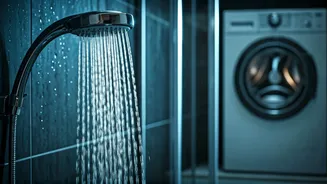
like a simple inconvenience or a potential plumbing issue, the reality involves a much more serious threat: leakage current. Even small amounts of electrical leakage from your washing machine can travel through shared plumbing systems, turning your shower water into a conductor for stray electricity. This phenomenon poses a genuine risk of electrocution, especially if your home's grounding is inadequate. Metallic pipes can become energized during a malfunction, making all wet surfaces in your bathroom hazardous. Proper grounding and the use of Ground Fault Circuit Interrupters (GFCIs) are paramount in preventing such life-threatening situations, safeguarding against unexpected electrical hazards.
Washing Machine Shorts Electrify Showers
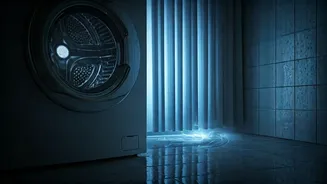
The hazard isn't solely linked to faulty plumbing; electrical grounding faults are a primary culprit. Washing machines, due to their weight and substantial vibrations, can experience internal wiring degradation over time. When a live electrical wire comes into contact with the machine's metal chassis or the wet pump component, the electrical current isn't contained. Instead, it can escape through discharged water and then travel via your home's copper piping or shared sewer lines. Water, being a good conductor of electricity, means that your shower can become the endpoint for this errant current. This happens because the washing machine's motor shorting out can electrify the wastewater it expels. This greywater, laden with minerals and detergents, becomes highly conductive. If you're in the shower when this electrified water enters the shared waste pipe, it can create a dangerous, energized pool on your bathroom floor, posing a severe safety risk.
The Essential Waiting Period
To mitigate these risks, it's crucial to implement a waiting period before showering after your washing machine cycle concludes. A minimum buffer of 30 to 40 minutes after the 'End' indicator light extinguishes is recommended. This interval serves a dual purpose: it allows residual water to fully drain from the machine and ensures the entire system has time to power down. Even after the drum stops rotating, any remaining moisture, particularly near the motor or within discharge hoses, can act as a pathway for electricity. By granting sufficient time for the pipes to empty completely and the machine's internal components to cool down, you effectively break any potential electrical connection between your laundry area and your bathroom, thereby enhancing overall safety.