




City Commute Challenges
The first section offers a detailed breakdown of the cities with the most arduous commutes. Residents in these locations spend an alarmingly long time
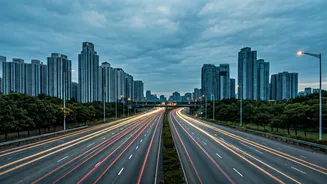
traveling to and from work. These durations are not just simple time calculations, but they also have profound implications on the overall quality of life. Cities such as Mumbai, with its crowded public transport and heavy traffic, reflect the daily struggles many face. The stress of consistently dealing with commute delays, the cost of transportation, and the sheer fatigue induced by long travel hours all contribute to a significant reduction in overall well-being. These cities often experience challenges related to infrastructure, population density, and the availability of efficient public transportation systems.
Health and Well-being
Long commute times significantly impact health and well-being. The lack of physical activity during long commutes can lead to weight gain, and cardiovascular problems. Mental health also suffers. The persistent stress and frustration of commuting can contribute to anxiety, depression, and other mood disorders. Moreover, chronic stress elevates cortisol levels, which can lead to sleep disturbances and overall fatigue. Many commuters find it hard to maintain a healthy work-life balance due to the lengthy travel times, affecting their social interactions and personal time. The combination of physical and psychological effects can drastically reduce the quality of life.
Impact on Lifestyle
Beyond physical and mental health, long commutes fundamentally shape people’s lifestyles. Commuting takes away from valuable personal time, which reduces the time available for hobbies, family activities, and social engagements. This can lead to feelings of isolation and disconnection. The financial strain of commuting, including transport costs and potential loss of work productivity due to delays, may also affect a person’s financial stability. The added pressure impacts the ability to manage household chores, prepare meals, and maintain a consistent exercise routine. This consequently affects eating habits, as fast food becomes a convenient option. The lifestyle impact creates a ripple effect across multiple aspects of life, influencing everything from sleep patterns to personal relationships.
Time Management Strategies
Effectively managing time becomes crucial for commuters dealing with lengthy travel times. Planning is the first step toward reclaiming some control over the day. This involves setting realistic schedules and allocating time for work, personal tasks, and relaxation. Maximizing productivity during commutes is another critical aspect. For example, using the time to catch up on work emails or listen to audiobooks can make the most of travel time. Incorporating exercise into the daily routine and using technology can help manage the impact of long commutes. Utilizing available resources like apps to check traffic conditions can help commuters to make informed decisions and minimize delays.
Public Transport Solutions
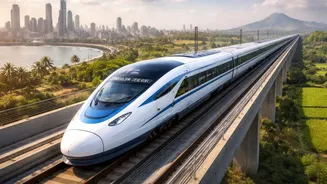
Improving public transportation systems can significantly ease the burden of long commutes. Investing in efficient, reliable, and affordable public transport offers commuters an alternative to driving. The implementation of rapid transit systems, improved bus networks, and expanded metro lines can significantly reduce travel times and alleviate congestion. Furthermore, integrating technology to provide real-time information about transport options can help commuters make informed decisions. Promoting the use of public transport reduces traffic and pollution, ultimately leading to healthier cities. Public transport improvements can lead to greater social equity, by providing access to work and opportunities for all residents, irrespective of their financial status.
Workplace Flexibility
Offering flexible work arrangements can greatly reduce the need for commuting. Telecommuting and remote work options allow employees to work from home, eliminating travel altogether. Flexible work hours permit employees to adjust their schedules to avoid peak traffic times. Providing more work flexibility can enhance the work-life balance for employees. Companies can reduce office space costs, and it also benefits the environment by lowering greenhouse gas emissions. The shift towards flexible work models is a win-win, improving employee satisfaction and productivity, while simultaneously benefiting society through a reduction in traffic congestion and environmental impact.