





Paneer: A Delightful Start
Paneer, the fresh cheese often gracing Indian plates, is not just pleasing to the palate; it's also a boon to your health. Originating in the Indian subcontinent,
paneer is crafted from cow or buffalo milk, resulting in a protein-rich food. Its preparation method is simple: milk is curdled using an acid like lemon juice or vinegar, and the whey is drained, leaving behind the solid, delectable paneer. This process retains the essential nutrients, making it a good food source. Whether in rich curries or fresh salads, paneer provides several health benefits that will surely get you hooked.
Protein Power in Paneer
One of the most noteworthy advantages of paneer is its significant protein content. Protein is crucial for building and repairing tissues, as well as aiding various bodily functions. Paneer is considered a complete protein as it contains all nine essential amino acids that our bodies cannot produce on their own. This makes it an invaluable food for muscle growth, and overall strength. Including paneer in your diet, particularly for vegetarians, can assist in meeting daily protein requirements, making it a stellar choice for individuals of all ages and activity levels.
Vitamins and Minerals Galore
Beyond its protein benefits, paneer also boasts a wealth of vitamins and minerals. It's an excellent source of calcium, crucial for strong bones and teeth. Regular consumption of paneer aids in preventing osteoporosis and maintaining bone density. Paneer provides phosphorus, another essential mineral that works in conjunction with calcium to support bone health. Furthermore, it supplies vital nutrients like vitamin A, which contributes to healthy vision and immune function, and B vitamins that are necessary for energy metabolism. The comprehensive nutritional profile makes paneer a versatile food contributing to overall well-being.
Paneer and Weight Management
Paneer can also be a helpful addition to a weight management plan. It is protein-rich and can increase feelings of fullness and reduce appetite, which is helpful in controlling calorie intake. Paneer also contains conjugated linoleic acid (CLA), a type of fatty acid that may support fat loss and improve body composition. This makes paneer a smart alternative for individuals aiming to shed excess weight. The versatility of paneer allows for inclusion in numerous dishes, providing taste and nutritional advantages that benefit weight management endeavors.
Paneer vs. Chole Protein
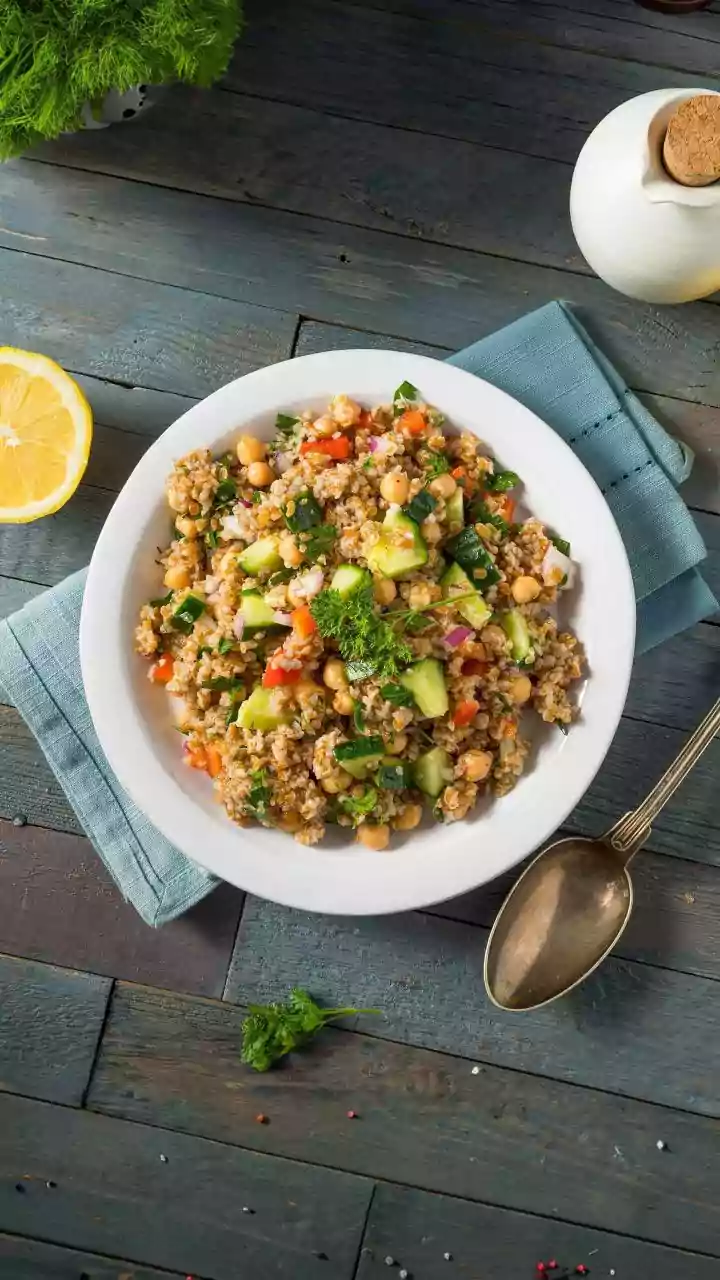
To understand the protein comparison, let's examine chole (chickpeas). Both paneer and chole are excellent sources of protein, a crucial nutrient for various bodily functions. Paneer, being derived from milk, provides a complete protein profile, containing all nine essential amino acids. This makes it particularly beneficial for muscle growth and repair. Chole, a legume, also offers a good amount of protein, along with fiber and carbohydrates. However, it may not provide a complete amino acid profile, requiring combinations with other foods for optimal protein intake. The choice between paneer and chole, thus, depends on individual dietary needs and preferences.