




Marigolds: Tomato's Guardian
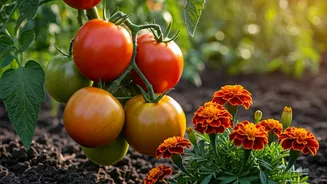
Marigolds emerge as a remarkable ally for tomato plants, offering a multifaceted approach to garden health. Their primary role involves acting as a natural
repellent against a variety of common tomato pests, including troublesome aphids and whiteflies. Furthermore, certain varieties, particularly French marigolds, possess the capability to suppress harmful nematodes lurking in the soil, which can severely damage tomato roots. This protective characteristic stems from the marigolds' potent fragrance, a scent that many unwelcome garden visitors find highly unpleasant, causing them to steer clear. Beyond repelling smaller pests, this aromatic defense can even deter larger animals that might be tempted to sample your tomato crop. The combined effect creates a more balanced and secure environment for tomatoes to flourish, reducing the need for artificial interventions and fostering a healthier plant.
Pollinators and Fruit Production
Beyond their formidable pest-repelling qualities, marigolds contribute significantly to the reproductive success of tomato plants by attracting beneficial insects and essential pollinators. The vibrant colors of marigold blooms serve as a beacon for a diverse array of helpful garden inhabitants, including bees and butterflies. These pollinators play a crucial role in the fertilization process of tomato flowers, directly translating into improved fruit set and an overall increase in tomato production. By drawing these vital creatures into the vicinity of your tomato plants, marigolds create a more efficient and natural system for pollination. This synergistic relationship means that not only are your tomatoes better protected from harm, but they are also more likely to yield a bountiful harvest, showcasing the dual benefits of this classic garden pairing.
Strategic Planting Tips
To maximize the benefits of companion planting marigolds with tomatoes, strategic placement is key. Ideally, marigolds should be positioned between one to two feet away from your tomato plants. This proximity ensures that their protective scent and beneficial presence effectively shield the surrounding area without competing for resources. If space within the same garden bed is limited, marigolds can still offer their advantages when grown in containers placed close to your tomato plants. For those seeking a more compact solution, French marigolds are an excellent choice. Alternatively, larger African marigolds can be planted along the outer edges of tomato beds, serving as a beautiful border that also provides a significant visual impact and ample pest deterrence. The timing of planting is also important; initiating marigold growth concurrently with tomatoes allows them to establish and begin their protective duties early in the season.
Starting Your Marigolds
Initiating your marigold plants at the right time is crucial for them to effectively support your tomatoes throughout the growing season. Tomatoes are warm-season crops that thrive once the soil has warmed up post-frost. Planting marigolds simultaneously ensures they can establish quickly and begin their protective functions alongside the tomatoes. For gardeners who prefer to start marigolds from seed, it's advisable to sow them a few weeks prior to transplanting tomatoes. This head start allows the marigolds to be already growing and ready to integrate into the garden bed. For instance, if you favor African marigolds, starting them from seed in early March in your region would provide a well-established plant by the time your tomatoes are ready for planting. This proactive approach ensures a continuous benefit from the marigolds from the early stages of tomato growth.
Beyond Marigolds: Added Protection
While the companion planting of marigolds offers substantial advantages for tomato cultivation, it's wise to remember that it forms just one layer of a comprehensive pest management strategy. Even with the presence of deterrent plants, some pests may inevitably find their way into your garden space, a common reality of gardening. To bolster your defenses, consider additional protective measures. One effective trick involves placing a cardboard toilet paper roll around the base of young tomato plants and burying it slightly in the soil. This creates a physical barrier that can deter soil-dwelling pests like cutworms, slugs, and snails from reaching the delicate stem. The cardboard will naturally decompose over time, enriching the soil. Complementing these strategies with fundamental good gardening practices—ensuring proper plant spacing, adequate airflow, and regular plant inspections—is paramount for proactive problem prevention.