




The Viral Phenomenon
In the ever-evolving landscape of social media fitness trends, a deceptively simple eating plan known as the CPB diet has rapidly gained traction. Short
for Chicken, Potatoes, and Broccoli, this regimen has become a viral sensation, with countless users reporting impressive reductions in body fat. Despite its moniker as the "world's most boring diet," the compelling results are what truly capture attention. Many individuals are drawn to its straightforward nature, a welcome contrast to complex dietary protocols. Content creators are actively sharing their experiences, from meticulous meal prep sessions to candid admissions of culinary monotony, all while showcasing dramatic before-and-after transformations. The appeal lies not in gourmet flavors, but in the promise of tangible progress, making the CPB diet a hot topic in online fitness communities.
CPB Diet Core Principles
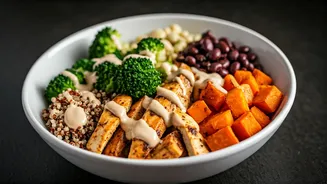
At its heart, the CPB diet is designed for extreme simplicity, aiming to induce a calorie deficit without the burden of meticulous tracking. The fundamental structure revolves around a select group of whole foods: primarily chicken breast (or tofu for vegetarians), potatoes as the main source of carbohydrates, and broccoli and carrots for essential vegetables. To maintain a controlled caloric intake, the use of olive oil is limited to just one tablespoon per meal. Beverages are restricted to water, plain black coffee, or tea, excluding sugary drinks, artificial sweeteners, and other high-calorie additions. While seasonings are permitted, the emphasis is on functional eating rather than indulgence. This focused approach leverages the satiating power of high protein and high fiber content. Potatoes, often maligned, are recognized for their ability to promote fullness, while broccoli and carrots add volume with minimal calories, collectively contributing to reduced hunger and a diminished desire for excessive eating, even when consuming fewer calories.
Mechanism Behind Results
The rapid weight loss observed on the CPB diet, while seemingly extraordinary, is underpinned by well-established nutritional principles. This dietary approach is fundamentally high in protein, low in calories, and high in volume, leading to sustained feelings of satiety. The foods included are chosen for their ability to keep individuals feeling full for extended periods, thereby curbing appetite and reducing overall food intake. By eliminating hyper-palatable processed foods, the diet effectively minimizes cravings and reduces the mental preoccupation with eating, often referred to as "food noise." The repetitive nature of the meals simplifies decision-making, preventing impulsive overeating. Furthermore, the psychological impact is significant; a predictable eating pattern can diminish the emotional connection to food. This structured reset helps break ingrained habits of consuming sugary, ultra-processed items, often resulting in improved energy levels and clearer skin for many adherents.
The 30-Day Flexible Plan
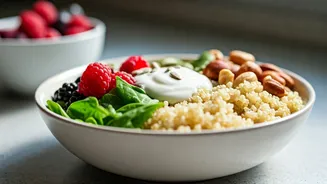
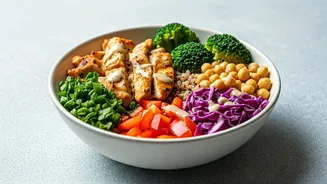
Recognizing the challenge of long-term adherence to such a restrictive plan, a structured 30-day variation of the CPB diet has emerged. This phased approach aims to ease individuals into a more sustainable eating pattern. Week one strictly adheres to the foundational chicken, potatoes, and broccoli. As week two commences, the plan allows for the gradual introduction of one new item from each food category, such as lean beef or leafy greens like spinach. By the third week, the variety expands further to include fruits, nuts, and other beneficial additions. The initial week serves as a powerful reset, clearing the palate and establishing discipline, followed by a systematic reintroduction of diversity to enhance long-term feasibility. This modified plan is often integrated with balanced plate proportions—typically a quarter protein and fats, a quarter carbohydrates, and half vegetables—and is frequently paired with strength training and daily physical activity for optimal outcomes.
Scientific Scrutiny and Risks
While the CPB diet has achieved considerable viral success, it resides in the realm of "fad diets" that possess underlying logical principles but are applied in an extreme fashion. Currently, there are no large-scale scientific studies that specifically validate the efficacy or long-term safety of this precise dietary regimen. The reported outcomes are primarily based on anecdotal evidence, personal testimonials, and small-scale self-experiments. Nutrition experts caution that such a restricted diet could potentially lead to nutrient deficiencies due to its limited variety. Furthermore, a very low-fat intake might adversely impact hormonal balance over time, and some individuals might experience digestive discomfort, such as bloating or constipation. The rapid pace of weight loss, while attractive, carries inherent risks, including fatigue and electrolyte imbalances. The most significant challenge remains the inherent monotony; diets that are excessively restrictive often result in rebound overeating once normal eating patterns are resumed, potentially negating initial progress.