
Market's Rollercoaster Ride
The commodity market has recently witnessed a significant downward correction, particularly affecting gold and silver prices. Gold prices on the Multi
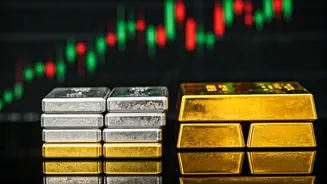
Commodity Exchange (MCX) experienced a 6% drop, while silver saw a more dramatic 15% crash. This downturn follows record highs and is influenced by a combination of global factors and specific market dynamics. The declines were also impacted by the increased margin requirements set by the Chicago Mercantile Exchange (CME) for precious metals. Furthermore, platinum also saw a dive of 35% from its recent peak amid this overall rout in precious metals. The significant price drops have understandably captured investor attention and sparked discussions about market stability and future trajectories.
Global Economic Impact
Several global factors contributed to the downturn in gold and silver prices. Weak global cues played a role, alongside the CME's decision to raise margins on precious metals, which further influenced the market. The increase in margins by CME is a crucial aspect, as it makes trading these commodities more expensive, potentially leading to reduced trading volumes and, consequently, price declines. This event is significant because it highlights how actions taken by major financial institutions can directly impact commodity prices. Additionally, the broader market context includes shifts in investor sentiment and economic expectations, all of which contribute to the volatility seen in the precious metals sector. Investors are closely watching how these global economic trends will shape the future performance of these assets.
Silver's Price Dynamics
Silver, in particular, has seen substantial fluctuations, currently trading significantly below its record high. Experts predict a further potential dip of 30% in the white metal, based on current market dynamics. As of the time of the market analysis, silver was priced 36% away from its all-time peak. The price crash in silver, which outpaced gold, is a pivotal focus for market analysts. Considering the CME's actions and the prevailing global economic outlook, the price behavior of silver serves as a key indicator of market sentiment. Investors should keenly follow these trends to gauge the potential investment opportunities and risks associated with silver.
Investment Strategies Evolve
The recent market correction in gold and silver prompts strategic evaluations for investors. Given the downturn, questions arise regarding whether this presents a buying opportunity or warrants a cautious approach. Amidst the price declines, the question of whether to buy or hold gold and silver is prominent. Factors to consider involve assessing personal risk tolerance, understanding long-term investment goals, and closely monitoring market trends. Investors should conduct thorough research and consider consulting financial advisors. Diversifying portfolios and strategically timing investments are critical elements. The market's current volatility emphasizes the need for informed and adaptable investment strategies.