







Dietary Shifts Impact
Living in environments with different culinary traditions can significantly alter one's palate. Rishab Rikhiram Sharma's experience of a decade in the
US highlights this, where a diet predominantly featuring less spicy American fare led to a noticeable decrease in his tolerance for heat. This phenomenon isn't just about personal preference; it's a physiological adaptation. When the digestive system is consistently exposed to milder flavors, it may become less accustomed to handling the robust intensity of spices. Consequently, dishes that once seemed perfectly balanced might start to feel overwhelmingly hot. This gradual change underscores the powerful influence of sustained dietary habits on our sensory perceptions and our body's response to food components. The transition back to spicier foods after a period of adaptation can be a surprising experience, often leading to a re-evaluation of what constitutes a 'mild' or 'spicy' meal.
The Aging Factor
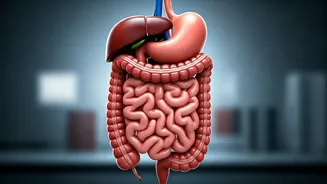
As we progress through life, our digestive systems undergo natural changes that can influence our tolerance for certain foods, including those with pronounced spice. Dr. Vinodha Kumary explains that with age, the efficiency of digestion may wane, leading to slower processing of food. This reduced efficiency makes it more challenging for the body to handle heavy, spicy, or greasy meals, often resulting in discomfort like bloating and indigestion. To alleviate these issues, individuals might find themselves naturally gravitating towards lighter, more easily digestible options. This shift isn't merely about taste but about avoiding physical discomfort. Furthermore, as individuals age, they can develop specific sensitivities or intolerances. Conditions like Irritable Bowel Syndrome (IBS) or gastritis can be exacerbated by spicy foods, making them particularly problematic and prompting a dietary adjustment to manage symptoms and maintain digestive well-being.
Metabolism and Sensitivities
The slowing down of metabolism with age plays a crucial role in how our bodies process food, impacting our capacity to enjoy spicy cuisine. A less efficient metabolism struggles to break down rich, fatty meals effectively, which can lead to unpleasant digestive symptoms such as bloating and discomfort. This prompts a natural inclination towards simpler, easier-to-digest foods. Additionally, the aging process can sometimes trigger the development of new sensitivities or intolerances. For those with pre-existing digestive issues like Irritable Bowel Syndrome (IBS) or gastritis, spicy, greasy, and fried foods can be particularly troublesome, potentially irritating the gastrointestinal tract and causing significant discomfort. Identifying and managing these sensitivities becomes paramount for comfortable eating and overall health.
Hormonal Influences
Beyond age and diet, hormonal shifts can also be a significant determinant of our spice tolerance, particularly affecting women. Dr. Sangeeta Tiwari points out that fluctuations in hormone levels, such as those experienced during menopause, can alter taste perception, appetite regulation, and the digestive process itself. Changes in estrogen levels, for instance, might make certain foods less appealing or harder for the body to process comfortably. These hormonal influences can lead to a recalibration of food preferences, pushing individuals towards different culinary experiences. This adds another layer to the complex interplay between our physiology and what we can enjoy eating, highlighting that our relationship with food is dynamic and subject to various internal biological changes over time.
Spice Balance in Indian Cuisine
It's crucial to distinguish between 'spiced' and 'overly spicy' when discussing traditional Indian cooking. Garima Goyal emphasizes that Indian spices are not solely for heat; they are integral to digestion and balance. When vegetarian Indian meals are prepared with moderate oil, sufficient fiber, and appropriate spice levels, they can be both beneficial for gut health and nutrient-rich. However, consuming excessively spicy food is not universally advisable. Individuals prone to conditions like acid reflux, gastritis, IBS, or hemorrhoids should be cautious, as excessive spice can aggravate their gastrointestinal lining, trigger heartburn, or worsen existing discomfort. The ultimate goal is a balanced approach, where spices enhance flavor and aid digestion without causing adverse reactions.
Gut Health and Adaptation
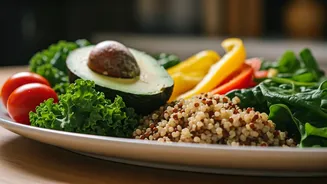
Ultimately, our body's ability to tolerate spice is deeply connected to the strength of our overall gut health and our consistent exposure to it. If the digestive system is robust and well-maintained, many individuals can adapt to and comfortably consume spicy foods. The key lies in the holistic composition of the diet. Both spicy and non-spicy vegetarian dishes can be incredibly nourishing when properly balanced. As Goyal advises, the focus should always remain on fundamental dietary principles: portion control, individual digestive tolerance, and the overall quality of the meal. Whether a dish contains chilies or not is secondary to these core aspects of healthy eating, ensuring that food contributes positively to our well-being.