



Geological Marvels Unveiled
India's geological landscape is a testament to its varied nature, featuring a dramatic mix of natural features that are captivating. One significant highlight
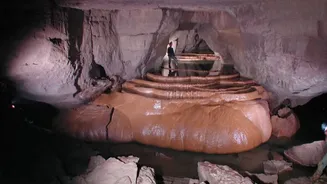
is the presence of dormant volcanoes, which, despite their lack of current activity, represent a geological past that has shaped the country's terrain and biodiversity. These volcanoes are remnants of powerful geological events and offer insight into the Earth's history. Furthermore, India’s terrain includes the 'Seven Coloured Earths', an unusual geological formation known for its striking, multicolored sand dunes. These dunes, a vibrant spectacle of nature, captivate visitors with their rich palette of hues, created by varying mineral compositions. This blend of natural formations ensures that India is not just a place of varied cultural traditions but also a land of incredible geographical interest.
A Kaleidoscope of Languages
Language diversity is a significant characteristic of India, which is home to an extensive range of languages. Hindi, one of the primary languages, is used and understood by a large portion of the population and acts as an important unifying factor in the country's diverse society. In addition to Hindi, other languages such as Bhojpuri, spoken by a significant number of people, enrich the linguistic tapestry. This multilingual aspect is more than just a means of communication; it represents the varied cultural backgrounds and ancestral roots of the Indian population. The coexistence of multiple languages illustrates India’s history and the diverse ethnic communities that have shaped its identity. Such linguistic variety is a major element in India's distinct cultural landscape.
Mountains and Beaches
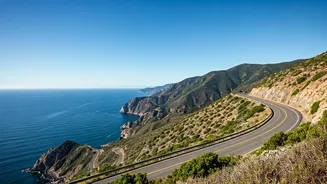
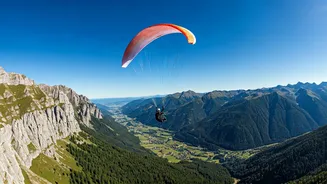
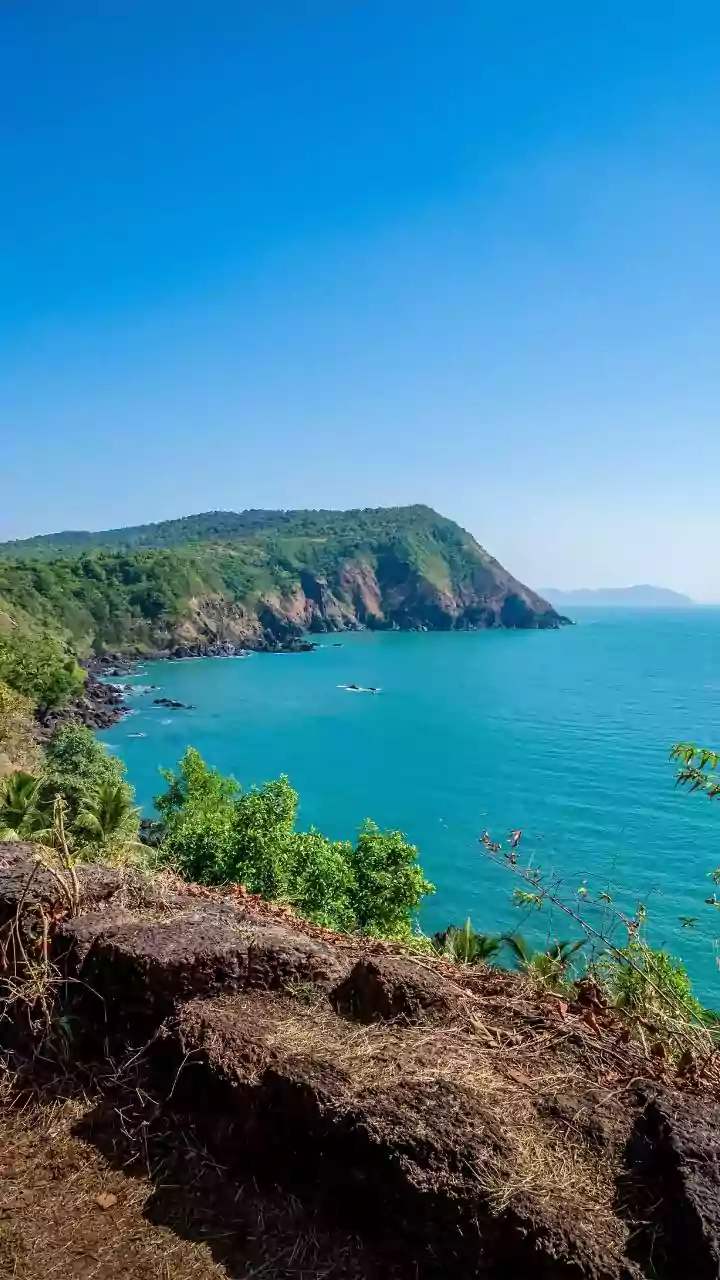
The geography of India offers a captivating blend of landscapes, showcasing the country's varied environments. The presence of both mountains and beaches highlights its diverse geography, offering a wide array of scenic experiences. Mountains, with their towering heights and majestic presence, are home to unique ecosystems. They present breathtaking views and a variety of outdoor activities for tourists and outdoor enthusiasts. In contrast, the beaches offer a completely different experience with their sun-kissed sands and the rhythmic sound of the waves. These coastal areas are ideal for relaxation, water sports, and enjoying the beauty of the sea. The availability of both mountain and coastal environments in India provides many opportunities for outdoor activities, offering people a broad and diverse range of experiences.
Cultural and Religious Diversity
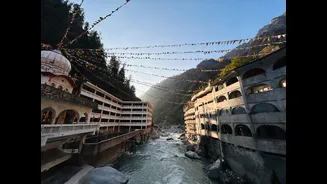
India is a society that embraces the diversity of cultures and religions, showcasing the broad and varied nature of its population. The coexistence of many faiths in India highlights the nation's capacity to recognize and respect religious diversity. This religious diversity is one of the main characteristics that distinguish India, where different beliefs and practices coexist. Various religious festivals and ceremonies celebrate this diversity, uniting people from different backgrounds in a shared cultural experience. The acceptance of different cultural and religious practices is an essential component of India's identity, which promotes harmony, tolerance, and respect among its citizens. This environment of diversity and tolerance has produced a vibrant society that celebrates its many cultural and religious backgrounds.
Economic Landscape Overview
The economy of India is a vibrant and significant aspect of the country's identity, influencing its development and position in the world. India's economy is a complex structure made up of several sectors, each of which contributes to the country's overall economic health. It plays an important role in international trade, investment, and economic development. India has made progress in its economic sectors, which have led to increased opportunities for citizens. The country's economic status is constantly evolving, indicating its dynamism and capacity for progress. The economy is a critical part of India's national narrative, helping to determine its position on the global stage. Economic factors have a huge impact on social and cultural developments.