



Toilet Trouble Aboard
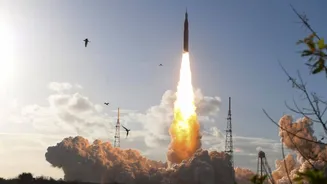
While embarking on the historic Artemis II mission, humanity's return to lunar orbit after over fifty years, astronauts encountered an unforeseen complication.
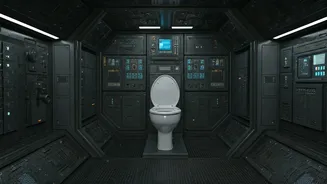
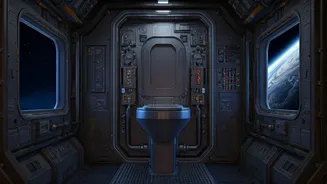
This mission, a pivotal stride in lunar exploration, was momentarily sidetracked by an issue with the Orion spacecraft's waste management system, commonly referred to as the toilet. Although seemingly minor, this malfunction offered a fascinating glimpse into the day-to-day realities and intricate engineering required for life beyond Earth's atmosphere. Specifically, the problem was traced to the airflow mechanism responsible for directing waste within the microgravity environment, a critical component where gravity's assistance is absent. NASA spokesperson Gary Jordan clarified that the toilet's fan had reportedly jammed, prompting ground teams to devise instructions for astronauts to access and clear the obstruction to restore functionality. Fortunately, the mission's success was not significantly jeopardized, thanks to the presence of a backup system and the minor nature of the glitch.
Importance of Space Sanitation
A malfunctioning toilet might seem like a trivial matter on Earth, but within the confined and isolated ecosystem of a spacecraft, its functionality is paramount. Maintaining a high standard of hygiene and ensuring crew comfort are directly linked to the physical and psychological well-being of astronauts, as emphasized by NASA's guidelines for spaceflight. In the absence of gravity, waste does not naturally disperse, meaning a compromised waste management system poses a significant risk of contamination. For short-duration missions like Artemis II, a functional toilet is essential for preserving daily routines and maintaining crew morale. As NASA plans for extended missions, including establishing lunar bases and venturing to Mars, the reliability and failure-proof nature of these systems become even more critical, demanding robust and dependable engineering solutions.
Gravity-Defying Toilets
The waste management system aboard the Orion spacecraft represents an advancement over the designs used in earlier Apollo missions. Instead of relying solely on bags for waste disposal, the Orion toilet incorporates sophisticated airflow mechanisms to precisely guide waste into collection containers. This innovative approach is rooted in extensive research into alternative methods for waste management in weightlessness, demonstrating that substitutes for gravity can be effectively employed to prevent waste from drifting freely. The system is equipped with fans, hoses, and specialized compartments, all meticulously engineered for effective operation in a zero-gravity setting. While these enhancements have significantly improved efficiency and hygiene compared to previous systems, they also introduce a greater number of components that could potentially fail, underscoring the complexity of space toilet technology.
Lessons from Glitches
The toilet issue experienced during the Artemis II mission serves as a potent reminder that space exploration is an ongoing process of learning and adaptation. Every minor technical difficulty encountered provides invaluable data for engineers, enabling them to refine and enhance future systems. As NASA pushes the boundaries of human exploration with ambitions for long-term lunar presence and eventual Martian expeditions, the robustness and reliability of waste management systems will be absolutely critical for sustained operations. Even a small hiccup in the present can translate into significant improvements, preventing larger, more detrimental problems in the future. While the scenario of a malfunctioning space toilet might initially evoke amusement, it underscores the deeply human aspect of space exploration. Beyond the grand objectives of lunar missions, every element, from the oxygen supply to the functionality of a toilet, is vital. These seemingly small challenges play a crucial role in shaping the future of humanity's presence beyond Earth.