


A Shocking Turn
The narrative opens with the author, Melissa Strong, back in Estes Park, Colorado, juggling the demands of opening a new restaurant. Seeking a creative
outlet, she and her husband, Adam, decided to experiment with using high voltage electricity to create artistic patterns on wood. Armed with a 2,000-volt microwave transformer, jumper cables, and a baking soda solution to aid conductivity, they began the process. Adam demonstrated the technique, emphasizing the critical safety warning: never touch the leads while the machine was plugged in. Initially, the electrical current produced captivating, river-like lines on the wood, igniting Melissa's excitement. However, a moment of distraction, forgetting the conductive mixture and leaving the machine plugged in while retrieving it, led to a catastrophic accident. As she reached for the leads with both hands, the intense voltage surged through her, paralyzing her grip and trapping her in a terrifying, inescapable experience, a moment she describes as feeling like dying.
The Aftermath and Awakening
Emerging from the ordeal, Melissa found herself on the driveway, face down in gravel, the smell of burnt flesh filling the air. The reality of her severely charred hands, with fingertips reduced to burnt bone and surviving fingers swollen into blistered tubes, struck her with horror. Her initial cries for help alerted her husband and neighbors, leading to a frantic rush to the hospital. Doctors later explained that bones, being dense, burn first in such high-voltage incidents. The overwhelming realization that she might never climb again led to a desperate outburst, contrasting with Adam's assurances that she still had hands. This profound physical trauma was compounded by the dawning psychological impact, forcing her to confront a future drastically altered by the accident.
A Glimmer of Hope
Waking amidst the sterile environment of the hospital, surrounded by nurses and the running of water over her burns, Melissa was shown a photograph of the tripped breaker that had ultimately saved her life. The next day, a doctor delivered sobering news: the local facility could offer little to save her thumbs, expecting only partial use of her index fingers and pinkies. She was to be transferred to Aurora for specialized care. As she awaited transport, a nurse, recognizing her from the climbing community, offered a comforting word, reminding Melissa of her strength as a climber and the potential for medical wonders. This brief encounter, coupled with the prospect of a transfer to a facility with a specialized plastic surgery team, ignited a fragile sense of hope amidst the despair.
Reconstruction and Resilience
At the Aurora hospital, Melissa met Dr. Ashley Ignatiuk, a plastic surgeon whose youthful appearance belied a determined approach. After a thorough examination, the doctor identified enough blood flow to attempt reconstructive surgery. The initial procedure involved debridement to remove damaged tissue, followed by a surgery to inject fluorescent dye to map blood flow. The daring plan was to surgically attach her thumbs to her forearms, allowing them to be nourished by her own blood. During this complex procedure, Dr. Ignatiuk and his team partially amputated four fingers and carefully grafted the thumb bones into her arms, utilizing any salvageable flesh to cover the wounds. Waking to excruciating pain, Melissa's arms were then tethered together for three weeks, requiring constant assistance for basic bodily functions. Despite the immense physical challenges and the visual shock of her reconstructed hands, she found solace in art, exercise, and the support of loved ones.
A New Beginning
The day her arms were finally detached marked a significant milestone. Further surgeries followed, involving skin grafts from her thigh and hip to cover the remaining nubs and a full-length finger. The doctors expressed optimism about the healing grafts, though Melissa saw her hands as 'Frankenstein-stitched baseball mitts.' The reality of returning home without constant medical care loomed large, bringing with it the daunting question of whether she would ever climb again. Her and Adam's lives had been intertwined with climbing since they met in 2004, shaping their careers, travels, and identity. The prospect of losing this integral part of her life was devastating, amplified by the simple fact that she couldn't even perform basic tasks like blowing her own nose.
The Long Road Home
Forty days post-accident, Melissa was home, but far from healed. While a bidet attachment provided some independence, she struggled with simple tasks like operating controls, opening doors, and dressing herself. The first few weeks at home were a blur of physical therapy, support from friends and family, and overwhelming pain. A moment of profound despair occurred when, during a shower, the intense throbbing pain in her grafted hands made her wish she had died. Adam's unwavering support, however, anchored her. Small victories, like pressing buttons, opening doors, and brushing her teeth, accumulated, but a setback occurred when a fragile bone in her thumb fractured and became infected, requiring further surgery and external pins.
Confronting the Wall
Surrounded by reminders of her past climbing adventures, Melissa found the home climbing wall a haunting presence. The thought of not being able to climb, coupled with the physical limitations and volatility of her hands, made her reluctant to join friends on outdoor excursions. She poured her energy into the new restaurant, Bird & Jim, a project that demanded meticulous attention to detail. Seven weeks later, she underwent another six-hour surgery to lengthen her thumb, involving skin, nerve, and artery transplants. This was followed by another week in the hospital to ensure the graft's success. The restaurant's soft opening on her birthday, seven months after the accident, was a joyous occasion, yet the bittersweet sentiment of having achieved her dreams without the hands she once possessed lingered.
Return to Rock
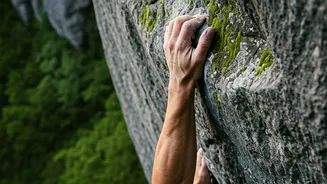
Four months after the accident, Melissa cautiously began touching climbing holds, her skin grafts still unstable and painful. She progressed to hanging on the climbing wall and eventually doing pull-ups. News of a friend's life-altering climbing accident spurred her to action. She committed to putting together her first climbing moves, enduring intense pain. A month later, she had her final surgery. She eschewed a winter trip to Hueco, focusing instead on the restaurant and practicing on her home wall. Eight days before the anniversary of her accident, she decided to visit Boxcar Boulder in RMNP, a place of deep climbing memories. Despite the cold and the physical limitations of her hands, she was determined. The V2 crack traverse, once a simple warm-up, became her greatest challenge. The climb was a testament to her tenacity, a 'graceless movement' filled with overwhelming joy, marking a profound return to the sport she loved.
A Gift of Persistence
Today, Melissa continues to meticulously piece together boulder problems, acknowledging the ongoing frustration and pain associated with her recovery. She views every climbing day as a precious gift, a testament to her perseverance. The durability of her skin grafts remains a daily battle, as they retain the unique characteristics of their original source. Despite these persistent challenges, she expresses profound gratitude for the opportunity to continue climbing. Her identity as a boulderer, forged before the accident, remains intact, a powerful symbol of her unyielding spirit and her ability to redefine what is possible in the face of adversity.