







A Tranquil Natural Haven
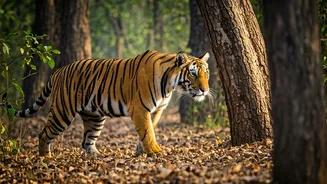
Nestled within the ancient Aravalli Range, Mukundara Hills Tiger Reserve stands as one of Rajasthan's emerging yet remarkably serene wildlife sanctuaries.
Far from the bustling crowds of more established parks, this reserve presents an unparalleled opportunity for nature enthusiasts to connect deeply with the wilderness. Its sprawling terrain beautifully blends rolling hills, dense woodlands characterized by dry deciduous forests, and open grasslands, interspersed with rocky outcrops. Established with the crucial aim of fostering tiger conservation and bolstering regional biodiversity, Mukundara represents a vital ecological zone. The reserve's largely unspoiled character significantly enhances its allure, promising visitors an authentic and rugged encounter with nature that feels both exhilarating and profoundly peaceful, a true sanctuary for those seeking solace and adventure.
Why This Reserve Beckons
Mukundara Hills Tiger Reserve serves as an idyllic sanctuary for those yearning for an authentic communion with nature, ingeniously merging thrilling adventure with profound tranquility. Unlike many of its more frequented counterparts, Mukundara offers an unhurried environment, allowing visitors an unparalleled chance to forge a genuine connection with the untamed world. The reserve's captivating topography, featuring verdant forests and undulating hills, coupled with its diverse array of wildlife, makes it an exceptional locale for engaging in safaris, pursuing photography, and indulging in birdwatching. Whether your heart beats faster at the prospect of a tiger sighting or you simply wish to find repose amidst nature's grandeur, this reserve promises a distinctive and deeply memorable escapade, a stark contrast to the typical tourist trails.
Biodiversity's Rich Tapestry
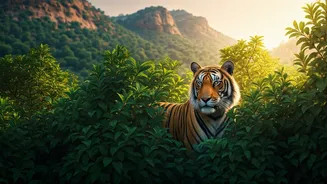
The ecological richness of Mukundara Hills Tiger Reserve is truly remarkable, supporting a vibrant spectrum of fauna. While the elusive Bengal tiger is a star attraction, the reserve is also a vital habitat for leopards, sloth bears, and various species of deer, including the graceful chital and the sturdy sambar. Beyond these charismatic mammals, Mukundara teems with a dazzling variety of birdlife, from colourful resident species to migratory visitors, and a fascinating array of reptiles adding to the ecosystem's complexity. Although spotting a tiger is never guaranteed and hinges on a confluence of luck and precise timing, the sheer density of biodiversity ensures that every safari journey is an engaging and potentially rewarding experience. Each excursion offers a new discovery, making the exploration of this reserve consistently exciting and educational for all visitors.
Planning Your Visit
The period between October and March emerges as the most opportune time to embark on a journey to Mukundara Hills Tiger Reserve. During these months, the climate is exceptionally pleasant, characterized by mild temperatures and lower humidity, creating ideal conditions for exploring the outdoors and for wildlife activity. This comfortable weather significantly enhances the safari experience, making it more enjoyable for visitors. While the summer months, from April to June, can be intensely hot, they present a unique opportunity for spotting animals. During this dry season, many creatures tend to congregate around the limited water sources, making them more visible and increasing the chances of sightings for keen observers willing to brave the heat for a closer encounter with the reserve's inhabitants.
Getting There Seamlessly
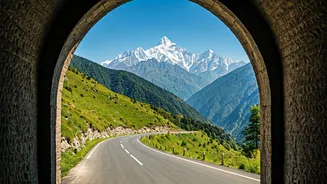
Reaching Mukundara Hills Tiger Reserve is a straightforward endeavor, with multiple transport options available. By air, the closest airport is Kota Airport, situated roughly 50–60 km away, though its flight schedules are limited. A more practical alternative for air travel is Jaipur International Airport, approximately 250 km from the reserve. From Jaipur, travelers can proceed via road or rail to Kota, the primary gateway city. For rail travel, Kota Junction Railway Station is a major hub, well-connected to prominent cities like Delhi, Mumbai, and Bhopal, facilitating easy access. From Kota, taxis and local transport readily ply to the reserve. Road connectivity is excellent, with the reserve easily accessible via Kota and close to National Highway NH52, making it convenient for those traveling by private vehicles, taxis, or buses from nearby urban centers.
Reserve Operating Hours
The Mukundara Hills Tiger Reserve welcomes visitors daily, offering ample opportunity to explore its natural wonders. The park opens its gates to early risers at 06:00 AM, allowing for immersive morning safaris when wildlife is often most active. This early start is ideal for photographers and birdwatchers aiming to capture the magic of dawn in the wilderness. Conversely, the reserve closes its operations at 08:00 PM, providing a full day for exploration and adventure. These extended hours ensure that visitors have flexibility in planning their visit, whether they prefer an early morning excursion or an afternoon safari, allowing them to experience the reserve's serene beauty and diverse wildlife across different times of the day.