







The Perils of Cut Melon
An alarming incident in Chhattisgarh, India, highlighted the potential dangers lurking in cut watermelon. A 15-year-old boy tragically lost his life, and
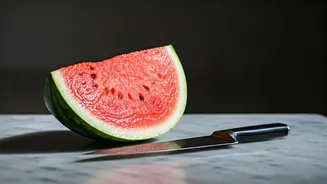
three other children fell ill after reportedly consuming watermelon that had been sliced earlier in the day and left exposed for several hours. Doctors suspect that food poisoning, caused by bacterial contamination, was the culprit. The fruit was cut in the morning and eaten in the evening, a gap that allowed pathogens to multiply significantly. This case serves as a stark reminder that while watermelon is a refreshing summer staple, its vulnerability to bacterial growth once cut necessitates strict adherence to food safety practices. The viscera of the deceased child were sent for examination, underscoring the seriousness of the situation and the need for definitive answers regarding the exact cause of death, while emphasizing the immediate takeaway for consumers: cut fruits demand prompt attention and careful storage to avert such devastating outcomes.
Safe Storage Practices
To ensure the safety and quality of cut watermelon, several key storage practices must be followed diligently. The Food Safety and Standards Authority of India (FSSAI) recommends refrigerating cut fruit within 2 hours of preparation to inhibit bacterial proliferation. Crucially, these cut fruits should be stored in airtight containers. This measure not only preserves freshness but also creates a barrier against airborne contaminants and lurking bacteria. Furthermore, due to their distinct aromas, cut fruits like watermelon should be stored separately from other food items, especially those with strong scents, to prevent flavor transfer and cross-contamination. Adhering to these guidelines is paramount for preventing spoilage and maintaining the integrity of the fruit.
Consumption Windows
The duration for which cut watermelon remains safe for consumption is critically short, making promptness a vital factor. Experts advise that sliced watermelon should ideally be consumed within a 2-3 hour window after it has been cut. Beyond this timeframe, the risk of bacterial growth increases substantially, especially if the fruit has not been stored under proper refrigerated conditions. It is equally important to avoid leaving cut fruits uncovered, whether they are at room temperature or even within the refrigerator, as this exposes them to potential contamination. Pay close attention to the fruit's condition; if it exhibits a sour odor, a slimy texture, or a fizzy taste, it should be discarded immediately, regardless of how long it has been stored, as these are clear indicators of spoilage.
Scientific Insights
Research provides a clear understanding of why prompt refrigeration is essential for cut melons. A study investigating the survival of Salmonella in freshly cut watermelon, cantaloupe, and honeydew revealed significant findings. When these fruits were left at room temperature (around 22 degrees Celsius) for up to 5 hours before being refrigerated, populations of Salmonella, general bacteria, yeast, mold, and Pseudomonas species were notably higher compared to those refrigerated immediately after preparation. Inoculated with Salmonella, the cut melon pieces showed an average of 2 log(10) colony-forming units per gram. The study strongly concludes that holding contaminated, freshly prepared cut melon pieces at 22 degrees Celsius for 3 hours or more significantly increases the likelihood of Salmonella proliferation, particularly if the fruit is subsequently stored at an inadequate temperature. This scientific evidence underscores the urgency of refrigeration.
Pre-Cutting Precautions
Before you even slice into a watermelon, taking certain precautions can significantly enhance safety. It is imperative to thoroughly wash the exterior of the watermelon before cutting. This step is crucial because the knife can inadvertently transfer germs and bacteria present on the rind to the fruit's flesh as you slice. Ensure that the knife used for cutting is also cleaned properly after the rind has been removed. Furthermore, it is generally advisable to avoid purchasing pre-cut melons. While convenient, these often come with a higher risk of contamination due to multiple handling points and less controlled storage conditions. Opting for whole fruits and cutting them yourself at home, under controlled and clean conditions, is the safer choice.