






India's Liver Health
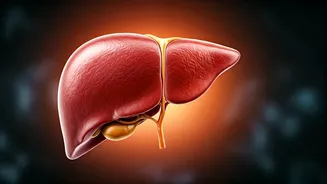
Fatty liver disease is becoming a significant health issue in India, and it's a condition where excess fat accumulates in the liver. A cardiologist with
four decades of experience has observed that Indians are, unfortunately, at a greater risk of developing this condition compared to many other populations. This heightened susceptibility can be attributed to a combination of factors, including dietary habits, genetic predispositions, and lifestyle choices. The implications are substantial, potentially leading to more severe liver complications if left unaddressed. It is critical to understand the factors driving this vulnerability to combat the growing incidence of fatty liver disease effectively.
Dietary Habits Impact
The traditional Indian diet, often rich in carbohydrates and unhealthy fats, contributes significantly to the risk of fatty liver disease. The frequent consumption of processed foods, sweets, and fried items can lead to increased fat accumulation in the liver. Furthermore, the quantity of food consumed, along with portion sizes, plays a critical role. When the body receives excess calories, it converts them into fat, which is stored in the liver. Shifting towards a balanced diet rich in fruits, vegetables, and lean proteins is vital. Reducing the intake of processed foods and unhealthy fats can help reduce liver fat. Awareness and education about healthier eating choices are essential in mitigating the risks associated with poor dietary habits.
Lifestyle Risk Factors
Beyond diet, lifestyle choices such as physical inactivity and excessive alcohol consumption exacerbate the risk of fatty liver disease. Lack of regular exercise contributes to weight gain and insulin resistance, both of which are risk factors. Alcohol, known for its detrimental effects on the liver, directly increases fat buildup. The cardiologist emphasizes the necessity of incorporating regular physical activity into daily routines. Even moderate exercise, like brisk walking, can significantly improve liver health. If alcohol is consumed, moderation is critical. Abstinence is the best approach for those at high risk. Adopting a healthier lifestyle is paramount.
Genetic Predisposition Concerns
Genetic factors also play a role in determining an individual's susceptibility to fatty liver disease. Some people may have genetic predispositions that make their livers more vulnerable to fat accumulation. While genetics cannot be altered, understanding one's family history is beneficial. Individuals with a family history of liver disease should be more proactive in adopting preventive measures. Regular health check-ups and screenings are crucial for early detection. Consulting with a healthcare professional can help assess individual risks and tailor lifestyle modifications appropriately. Genetic predisposition underscores the importance of a comprehensive approach to liver health, combining lifestyle changes with informed medical management.
Protective Health Strategies
Protecting against fatty liver disease involves a multi-pronged strategy. Firstly, adopting a balanced diet, including whole foods, fruits, vegetables, and lean protein, is crucial. Secondly, regular physical activity, aiming for at least 150 minutes of moderate-intensity exercise per week, is recommended. Thirdly, limiting or eliminating alcohol consumption significantly reduces the risk. Regular health check-ups are also essential. Early detection allows for timely interventions that can prevent the disease from progressing. Finally, maintaining a healthy weight is vital. The cardiologist suggests consulting a healthcare professional for personalized advice and guidance. Proactive measures, combined with professional medical support, offer the best defense against this growing health concern.