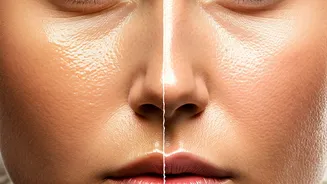







Embrace Gentle Cleansing
During winter, the skin's natural moisture barrier is already under stress. Using harsh soaps and cleansers can strip away essential oils, making conditions
like eczema and psoriasis even worse. Opt for gentle, fragrance-free cleansers that are specifically designed for sensitive skin. These products often contain moisturizing ingredients like ceramides or glycerin, which help to hydrate the skin while cleansing. Avoid hot showers, as they can further dehydrate the skin. Instead, choose lukewarm water and limit shower time to 5-10 minutes. Pat your skin dry gently with a soft towel after showering, instead of rubbing, to preserve moisture. By prioritizing gentle cleansing, you can create a strong foundation for healthy skin and reduce the chance of flare-ups during the winter months. Remember, the goal is to cleanse without stripping away the skin's essential protective oils.
Moisturize, Moisturize, Moisturize!
Consistent and effective moisturizing is crucial in winter, when the air's humidity drops. Apply a rich, emollient moisturizer immediately after showering or bathing, while your skin is still damp. This helps to lock in moisture. Look for moisturizers containing ingredients like ceramides, hyaluronic acid, and shea butter. Ceramides help repair the skin barrier, while hyaluronic acid attracts and retains moisture. Shea butter offers deep hydration and protection. Apply moisturizer several times a day, especially after washing your hands or being exposed to cold air. Choose moisturizers that are thick and creamy; ointments are often the most effective. Consider using a humidifier at home, particularly in bedrooms, to add moisture to the air and further combat dryness. Proper moisturizing is your primary defence against winter skin challenges.
The Hydration Equation
While external moisturization is important, internal hydration is equally crucial. Drinking plenty of water is vital for maintaining skin health, even during winter when the urge to drink water might decrease. Aim for the recommended daily intake of water, as this helps keep your skin plump and hydrated from within. You can also incorporate hydrating foods like fruits and vegetables, which have high water content, into your diet. Avoid excessive consumption of dehydrating substances like alcohol and caffeine, as these can exacerbate skin dryness. Being adequately hydrated supports optimal skin function, improves its resilience against environmental stressors, and enhances the effectiveness of topical treatments. Maintaining internal hydration supports your skin's overall health and combats dryness from the inside out.
Smart Clothing Choices
The clothes you wear can significantly affect your skin's well-being. Opt for soft, breathable fabrics like cotton and silk, which are gentle on the skin and reduce irritation. Avoid scratchy materials such as wool and synthetic fabrics, especially if you have sensitive skin or a condition like eczema or psoriasis. When washing your clothes, use a fragrance-free, hypoallergenic detergent to avoid chemical irritants that can trigger flare-ups. Always rinse your clothes thoroughly to remove any soap residue. Layering your clothing can help regulate your body temperature, preventing overheating and excessive sweating, which can aggravate skin conditions. Choose loose-fitting clothing to allow for air circulation and prevent friction against your skin. Be mindful of fabric choices to minimize irritation and protect your skin in the cold.
Sun Protection Matters
Even in winter, the sun's rays can damage your skin, contributing to dryness and inflammation. Apply a broad-spectrum sunscreen with an SPF of 30 or higher to all exposed skin, even on cloudy days. Choose a sunscreen that is specifically formulated for sensitive skin and free of fragrances and irritants. Sunscreen helps protect against UV radiation that can worsen conditions like eczema and psoriasis, or exacerbate overall skin dryness. Reapply sunscreen every two hours, especially if you are spending time outdoors. Also, consider wearing protective clothing, such as long sleeves and hats, to further shield your skin from the sun. Protecting your skin from sun damage during winter contributes to its health and comfort, making sun protection a consistent aspect of your skincare routine.
Manage Stress Effectively
Stress is a well-known trigger for skin conditions like eczema and psoriasis. Finding healthy ways to manage stress is crucial during winter. Incorporate relaxation techniques into your daily routine, such as meditation, deep breathing exercises, or yoga. These practices can help calm your mind and reduce the physical manifestations of stress on your skin. Engage in activities you find enjoyable and relaxing, such as reading, listening to music, or spending time in nature (if the weather permits). Regular exercise can also help to manage stress and improve your overall well-being, though avoid excessive sweating, which can irritate the skin. Prioritizing self-care and developing effective stress management strategies can significantly reduce flare-ups, promoting both skin health and emotional balance.