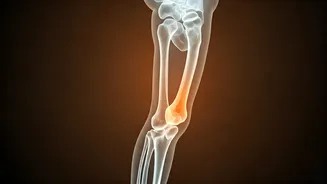








Winter's Bone Impact
Winter poses specific challenges to children's bone health. Shorter days and reduced outdoor play lead to less sunlight exposure, which is vital for Vitamin
D synthesis. This vitamin plays a crucial role in calcium absorption, a fundamental building block for strong bones. Insufficient Vitamin D can impair bone mineralization, potentially affecting growth and bone density. Furthermore, colder weather may also limit physical activity, which is also significant for bone strength. The combination of these factors highlights the importance of proactive measures to protect children's bone health throughout the winter season.
Vitamin D Deficiency Risks
Vitamin D deficiency in children is a real concern during winter. Sunlight is the primary source of this essential vitamin, and its reduced availability during winter directly impacts the body's natural production. This can lead to a deficiency that can hinder calcium absorption, a mineral vital for bone health. Poor bone mineralization can manifest in various ways, ranging from delayed growth to an increased risk of fractures and other bone-related issues. Therefore, understanding the risks associated with Vitamin D deficiency and taking preventive actions is important for parents during winter.
Boosting Bone Health
Fortunately, there are several practical steps parents can take to safeguard their children's bone health during winter. Ensuring adequate Vitamin D intake is crucial. This can be achieved through dietary sources like fatty fish, egg yolks, and fortified foods or through Vitamin D supplements, as recommended by a pediatrician. Encouraging physical activity, even indoors, is equally essential. Games, dance sessions, or other active play can help stimulate bone growth and density. Balancing these measures can help strengthen children's bone health and ensure their well-being throughout the winter months.
Diet and Exercise Matters
Apart from focusing on Vitamin D, parents should also make sure that their children have a balanced diet. Calcium-rich foods like dairy products, leafy greens, and fortified options are important for bone development. Alongside diet, physical activity is essential. Winter's reduced outdoor play can be counteracted with indoor alternatives, like sports or engaging in active play indoors. The combination of good nutrition and consistent exercise during the winter months contributes greatly to stronger, healthier bones in children.
Consult a Pediatrician
Parents should seek professional guidance. Consulting a pediatrician is crucial for tailored advice. A healthcare professional can assess a child's individual needs, considering factors like age, lifestyle, and any pre-existing health conditions. They may recommend Vitamin D supplements, dietary adjustments, or specific exercises. Regular check-ups with a pediatrician allow parents to be proactive about their child's bone health and address any concerns promptly. Working with a pediatrician ensures a customized approach.