
Liquids and Gels
One of the most crucial aspects of cabin bag regulations involves liquids, aerosols, and gels. Generally, passengers are permitted to carry liquids, aerosols, and gels in containers
that do not exceed 100ml (3.4 ounces). All of these containers must be placed in a single, transparent, resealable plastic bag, with a maximum capacity of one liter per passenger. This rule applies to a variety of items, including beverages, perfumes, cosmetics, and certain medications. The Transportation Security Administration (TSA) and similar agencies worldwide implement this rule to maintain aviation safety and prevent potential threats. Exceptions may be made for baby formula, breast milk, and necessary medications, but it's always advisable to declare these items at the security checkpoint. Failure to comply with these liquid restrictions may result in confiscation of the items and delays in the screening process. Furthermore, ensure that any duty-free liquids purchased at an airport are sealed in a tamper-evident bag to avoid issues during transit.
Sharp and Pointy Items
Sharp and pointy items are strictly prohibited in the cabin. This category includes knives with blades longer than a certain length (typically 6cm or 2.4 inches), scissors, box cutters, and other cutting tools. Even seemingly innocuous items such as knitting needles and crochet hooks may be scrutinized and potentially confiscated, depending on the airline and destination. Similarly, any object that could potentially be used as a weapon, such as certain types of tools or sporting equipment, is typically banned. These regulations are designed to minimize the risk of intentional or unintentional harm during a flight. Passengers are advised to pack such items in their checked baggage to avoid any inconvenience at the security checkpoint. For those who frequently travel with specific tools or items, it's wise to review the specific regulations of their airline and the airports they are traveling through beforehand.
Other Restricted Items
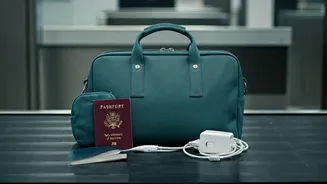
Beyond liquids and sharp objects, several other items are restricted from being carried in a cabin bag. Explosives and flammable materials are, unsurprisingly, strictly prohibited. This includes fireworks, flammable liquids, and certain types of ammunition. Batteries, particularly lithium-ion batteries, have specific restrictions. Power banks and spare batteries must often be carried in carry-on baggage and are subject to limitations regarding their wattage. Additionally, any item that could potentially be used to injure or incapacitate someone is typically prohibited. This may include certain sporting equipment like baseball bats or golf clubs, as well as items that could be considered offensive or dangerous. Before packing, passengers should carefully review the list of prohibited items provided by their airline or airport authority to ensure compliance. If you're unsure about an item, it's always best to err on the side of caution and either check it or leave it behind.