






The Silent Threat
Many individuals are unaware their kidneys are failing until the damage is profound and irreversible. A urological surgeon shares their experiences witnessing
patients with end-stage kidney disease requiring dialysis or transplantation. The increasing demand for these life-sustaining treatments is straining healthcare systems, with dialysis rates projected to surge significantly in the coming years and long waiting lists for transplants. This highlights a critical need to shift focus from managing advanced disease to preventing it from developing in the first place. Early diagnosis and intervention are paramount to averting this crisis, benefiting both patients and the broader healthcare infrastructure. It's far more effective to address kidney issues before they escalate to a point where they significantly impair daily life and necessitate intensive medical intervention.
Understanding Kidney Function
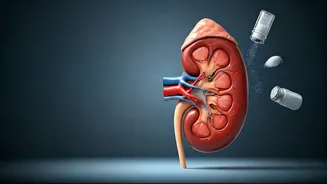
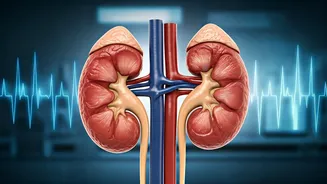
Your kidneys, roughly the size of your fists, are incredibly diligent organs performing essential bodily functions. Their primary role is to filter waste products and excess fluid from your blood, producing urine. Beyond filtration, they are vital for hormone production, supporting red blood cell creation and maintaining bone health. They also play a crucial part in regulating blood pressure by meticulously balancing salts and minerals. However, conditions like persistently high blood sugar and elevated blood pressure can inflict damage on the delicate blood vessels and filtering units within the kidneys, compromising their ability to effectively cleanse the bloodstream. This gradual deterioration can go unnoticed for extended periods.
Spotting the Signs Early
Kidney disease often earns the moniker "silent" because its progression can be insidious, with significant loss of function occurring before any noticeable symptoms manifest. Even when up to 90% of kidney function is lost, individuals might only begin to experience fatigue, swelling in their ankles and legs, persistent high blood pressure, shortness of breath, increased urination frequency (especially at night), or foamy urine. Sadly, by the time these symptoms appear, the damage is frequently permanent. Therefore, the emphasis must be on proactive prevention rather than reactive treatment. Addressing the root causes and promoting kidney health are far more impactful than waiting for the disease to declare itself.
At-Risk Populations
Certain groups within the Australian population are at a significantly higher risk of developing kidney disease and should undergo regular kidney health checks. This includes individuals managing diabetes, hypertension, heart disease, or those who are obese. First Nations people are also identified as a high-risk demographic. Furthermore, current or past smokers and vapers, individuals with a family history of kidney ailments, and those over the age of 60 should be particularly vigilant. These comprehensive checks, ideally performed by a General Practitioner (GP) every one to two years, involve monitoring blood pressure, a blood test to assess kidney function, and a urine test to detect protein levels, all crucial indicators of kidney health.
Preventive Lifestyle Choices
While not all origins of chronic kidney disease are entirely preventable, adopting specific lifestyle habits can substantially reduce your risk. Regular consultations with your GP are fundamental to ensure your blood pressure is well-controlled and your diabetes is managed effectively. Maintaining a healthy body weight, consuming a diet low in salt, and engaging in regular physical activity are vital. Avoiding smoking, ensuring adequate hydration, and being mindful of the prolonged, excessive use of non-steroidal anti-inflammatory drugs (NSAIDs) like ibuprofen can also protect your kidneys. These straightforward, proactive steps can make a significant difference in long-term kidney health.
The Impact of Early Action
The benefits of detecting and treating kidney disease in its nascent stages are profound and far-reaching. It's estimated that early intervention could avert over 38,000 premature deaths among Australians and contribute to an additional 165,000 years of healthy living. The economic advantages are also substantial, with projections indicating a return of $45 for every $1 invested in early detection and treatment over the next two decades. The current cost of kidney disease to Australia is staggering, amounting to A$9.9 billion annually. By prioritizing prevention and early screening, we can not only save lives and improve quality of life but also alleviate a significant financial burden on the nation's healthcare system.