





Nutritional Powerhouse
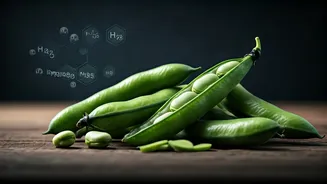
Fava beans, or broad beans, are a remarkably nutritious legume, offering a wealth of essential vitamins and minerals. A single cup of cooked fava beans provides
a significant amount of lean protein and dietary fiber, contributing to satiety and digestive health. They are particularly rich in folate, a B vitamin crucial for energy metabolism, nervous system function, and the formation of healthy red blood cells. This makes them an excellent dietary choice, especially for expectant mothers, as folate plays a vital role in preventing neural tube defects like spina bifida and anencephaly. Beyond folate, fava beans also supply vital nutrients such as vitamin B6, zinc, copper, iron, and magnesium, supporting numerous bodily functions and potentially contributing to a reduced risk of chronic diseases including heart disease, cancer, and depression due to their dense nutrient profile.
Maternal and Bone Health
The substantial folate content in fava beans offers significant benefits for pregnant women. Health authorities recommend daily folic acid intake for women of childbearing age to mitigate the risk of serious birth defects, as these issues often develop very early in pregnancy. Research suggests a positive correlation between maternal folate supplementation and a lower incidence of congenital heart defects. Furthermore, fava beans are a good source of manganese, with one cup providing 36 percent of the daily recommended intake. Manganese is essential for bone health, helping to increase bone mass and reduce calcium deficiency. Combined with other minerals like calcium, zinc, and copper, manganese may play a role in preventing spinal bone loss, particularly in older women, thereby supporting skeletal integrity and reducing the risk of osteoporosis.
Cardiovascular Support
Magnesium, a mineral often lacking in modern diets, is present in fava beans and plays a critical role in maintaining cardiovascular health. Magnesium is known to help regulate blood pressure, a key factor in preventing hypertension, heart disease, and stroke. Studies analyzing clinical trials have indicated that magnesium supplementation can lead to a reduction in both systolic and diastolic blood pressure. Incorporating magnesium-rich foods like fava beans into the diet, alongside fruits, vegetables, and low-fat options, can further enhance these blood pressure-lowering effects. By supporting healthy blood pressure levels, fava beans contribute to a stronger, healthier heart.
Immune Function and Energy
Fava beans are a valuable source of copper, a mineral vital for the production and proper functioning of white blood cells. White blood cells are the body's defense against pathogens and help neutralize harmful free radicals. Since the body cannot produce sufficient copper on its own, dietary intake is crucial. Adequate copper levels ensure that white blood cells can effectively combat illness and infection, thus bolstering the immune system. Studies have also shown that extracts from broad beans possess antioxidant properties that may help fight free radical damage as individuals age. Additionally, the iron content in fava beans, with one cup offering 14 percent of the daily requirement, is essential for creating hemoglobin. Hemoglobin transports oxygen throughout the body, and sufficient iron levels prevent fatigue and anemia, thereby boosting overall energy levels.
Motor Function and Caution
Emerging research suggests that fava beans may offer benefits for individuals experiencing symptoms of Parkinson's disease. This is attributed to their natural L-dopa content, which the body converts into dopamine, a neurotransmitter that influences mood and motor control. Studies have observed improvements in motor performance in Parkinson's patients following consumption of fava beans, seemingly without adverse effects. However, it is crucial to note a significant caution: individuals with glucose-6-phosphate dehydrogenase (G6PD) deficiency must avoid fava beans. These beans contain compounds like divicine and convicine, which can be highly oxidative and may trigger hemolytic anemia in those with G6PD deficiency. Furthermore, fava beans should be avoided by individuals taking monoamine oxidase inhibitors (MAOIs) for depression due to potential interactions.
Preparation and Culinary Uses
Preparing fava beans might seem daunting due to their double-shelling process, but it's a manageable culinary endeavor. When selecting fresh fava beans, look for pods that are firm and tight, avoiding those that are bulging, which may indicate over-maturity and a bitter taste. For every pound of unpeeled beans, you'll yield approximately one-third of a cup. Start by removing the beans from their outer pods, similar to shelling peas. Each pod typically contains four to five beans. The next step involves removing the thick, white outer skin of each bean. This can be done by making a small slit along the edge and squeezing the bean out. For an easier method, blanch the beans in boiling salted water for about 90 seconds, then immediately transfer them to ice-cold water. This process softens the skins, allowing them to be easily squeezed off. Once prepped, fava beans can be enjoyed steamed and tossed with olive oil and lemon juice, mashed into a spread for bruschetta, or incorporated into salads. They are also a traditional ingredient in falafel, particularly in Egyptian cuisine.
Historical Roots
Fava beans, scientifically known as Vicia faba, are an ancient legume with a rich history stretching back to the Neolithic period. Originating in the Mediterranean region or southwestern Asia, they were a staple food for early civilizations such as the Egyptians, Greeks, and Romans. Their cultivation and consumption spread along ancient trade routes, reaching Ethiopia, northern India, and China. This hardy plant typically grows to a height of 0.5 to 1.8 meters, featuring stout stems and grey-green leaves. Its flowers, which possess a sweet fragrance attractive to bees, have five petals, often marked with a distinctive black spot. Historically, fava beans have been a significant food source, valued for their nutritional contributions and versatility in various culinary traditions across the globe. Other common names for this versatile bean include broad bean, field bean, and horse bean, reflecting its widespread cultivation and use throughout different cultures.