






The Hydrogen Cooking Revolution
In response to evolving energy needs and the persistent LPG crisis, an Indian enterprise has unveiled a pioneering hydrogen cooking stove. This appliance
represents a significant leap towards sustainable kitchen solutions. Unlike traditional stoves reliant on gas cylinders, this model operates on a principle of generating its own fuel source. It's a testament to 'necessity being the mother of invention,' offering a cleaner, quieter, and more environmentally conscious way to prepare meals. The initial market focus for this advanced technology is on commercial and institutional settings, signaling a strategic introduction of alternative energy into culinary operations on a larger scale.
Innovative Hydrogen Stove Mechanics
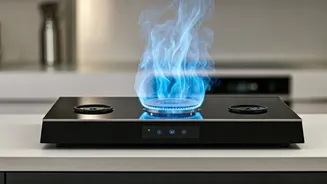
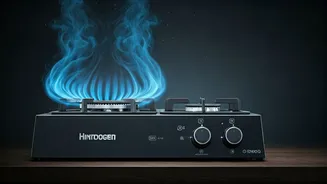
This advanced, Made-in-India gas stove operates entirely on green hydrogen, featuring a two-burner configuration. Its stainless steel, table-top design incorporates manual ignition, mirroring the familiar interface of conventional stoves but fundamentally differing in its operational core. The innovation, developed by Greenvize according to PV magazine reports, integrates a proton exchange membrane (PEM) electrolyzer directly into the unit. This ingenious design splits water into hydrogen and oxygen on demand, eliminating the need for bulky hydrogen storage tanks or extensive pipeline networks. For approximately six hours of cooking, the stove requires a modest 100 ml of distilled or RO water and 1 kWh of electricity. While both induction and this hydrogen system utilize electricity, their efficiencies and practical applications diverge significantly. Induction burners typically consume 1.5-2 kW, whereas the hydrogen system uses around 1 kWh. A key advantage is its compatibility with all types of cookware, unlike induction hobs which necessitate specialized pots and pans.
Environmentally Conscious Operation
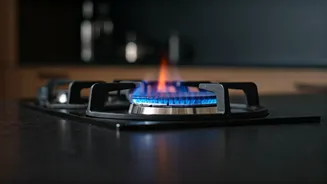
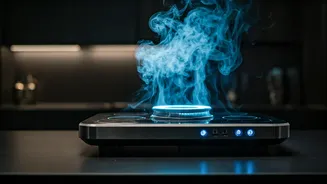
A primary selling point of this hydrogen cooking stove is its commitment to environmental sustainability, offering a zero-emission cooking experience. During operation, it produces no carbon monoxide or visible smoke, contributing to healthier indoor air quality. The by-product of its combustion process is solely water vapor, making it exceptionally eco-friendly. Furthermore, the stove operates with remarkable quietness and minimal vibration, enhancing the user experience, particularly in environments where noise and disturbance are concerns. This clean operational profile aligns with growing global demands for sustainable living and reduced environmental impact in everyday household and commercial activities.
Commercial Viability and Future Scope
While this innovative hydrogen stove is designed for home kitchens, its immediate commercial impact is anticipated in larger-scale operations. It is currently undergoing testing and evaluation for deployment in community kitchens, institutional canteens, and government-led clean-energy initiatives. The premium price point of approximately ₹1,50,000 per unit positions it as a specialized solution rather than a direct replacement for LPG in typical households at present. This strategic approach allows for pilot projects and large-scale kitchen integration, paving the way for future advancements and potential broader adoption as the technology matures and becomes more accessible.