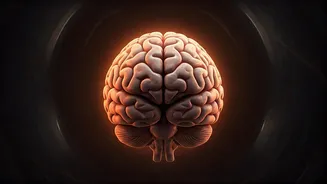








Cognitive Shutdown Triggered
When sleep eludes you for an entire night, your brain's capacity for clear thinking takes a substantial hit. Specifically, the hippocampus, a region crucial
for memory formation, is negatively affected, leading to a state often described as cognitive shutdown. This directly diminishes your ability to concentrate and maintain focus. Furthermore, sleep plays a vital role in maintaining the cerebrospinal fluid that both cushions the brain and facilitates the removal of metabolic waste products. When this essential sleep cycle is disrupted, the brain's efficiency plummets, resulting in noticeable disorientation and a general feeling of being mentally disengaged. This inefficiency in waste clearance slows down cognitive processes and blurs mental clarity, manifesting as the common 'brain fog' experienced by many after insufficient rest.
Prefrontal Cortex Dims
A single night devoid of sleep triggers a cascade of changes within your brain, impacting multiple intricate systems. Sleep is fundamental for re-establishing neurotransmitter equilibrium and expelling metabolic byproducts accumulated during wakefulness. However, when this restorative process is interrupted, the prefrontal cortex, which is responsible for executive functions like decision-making and logical deduction, experiences reduced activity. Concurrently, the body releases elevated levels of stress hormones, such as cortisol. This dual effect—a less active prefrontal cortex and an increase in stress hormones—significantly disrupts the delicate networks responsible for attention and memory recall, making even simple tasks feel overwhelmingly challenging. The communication pathways between brain cells become erratic, leading to fleeting lapses where attention falters, and activities that are typically automatic require conscious effort.
Feeling Out of Sync
The disorientation experienced after a sleepless night is a complex interplay of mental and physical responses. Cognitive indicators include pronounced brain fog, difficulty recalling information, and a marked decrease in focus. Beyond these mental effects, individuals may also encounter confusion regarding time, their spatial orientation, or even basic coordination. This disruption extends to the body's internal regulatory systems. Sleep deprivation interferes with hormone regulation, exacerbates inflammatory responses throughout the body, and impairs emotional control. All these physiological shifts contribute to an overwhelming sensation of being disconnected and out of sync with one's surroundings. Essentially, the brain shifts into a low-energy operational mode, demanding more conscious processing power for tasks that would normally occur seamlessly, thereby accelerating fatigue and increasing the likelihood of making mistakes.
Resetting After Sleeplessness
To recover from a night without sleep, the primary focus should be on restoring your nervous system's balance rather than attempting to power through the exhaustion. Gentle physical activities, grounding techniques, and methods to regulate the vagus nerve can be instrumental in re-establishing equilibrium. It is crucial to avoid making a habit of sleep deprivation and to allow your body ample rest. Limiting exposure to overstimulating electronic devices can also aid in this recovery process. Prioritizing restorative sleep on the following night is paramount. While a short nap of 20–30 minutes can offer a temporary boost in alertness, it's not a substitute for a full night's rest. Staying hydrated, getting exposure to natural daylight, engaging in light physical movement, and consuming balanced meals all support the body's recovery mechanisms. Caffeine can be helpful in moderation but cannot replicate the restorative benefits of actual sleep. Ultimately, the disorientation experienced after insufficient sleep is a clear signal of the brain being overwhelmed, and re-establishing healthy sleep patterns is the most effective strategy for regaining cognitive function, focus, and overall balance.