







Robotic Sentinels Emerge
The landscape of security is undergoing a dramatic transformation, with sophisticated robot dogs, often referred to as quadrupeds, stepping in to protect
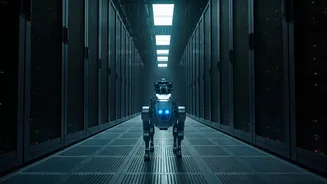
the vital infrastructure that underpins artificial intelligence. These advanced machines are now a common sight patrolling the expansive data centers that house the computational power for AI operations. Robotics companies are experiencing a surge in demand for these units, largely driven by the significant investments being made in AI infrastructure. For instance, one company has noted a substantial increase in interest from data centers over the past year, which is understandable given the sector's rapid growth. The sheer scale of these data centers, some rivaling the size of multiple football fields, necessitates robust and innovative security solutions to ensure continuous protection of their sensitive operations.
Advanced Capabilities & Cost
These robotic canines are far more than just mobile surveillance units; they possess an array of capabilities designed to enhance operational efficiency and security. They are engineered to navigate challenging and complex terrains autonomously, identify potential security breaches, and provide continuous video monitoring. Beyond perimeter patrols, data center clients are exploring their use for crucial tasks like industrial inspections, detailed site mapping, and progress monitoring during construction. Such applications can help facility managers proactively identify hazards, such as water leaks or spills. While the initial investment for these sophisticated robots can range from $175,000 to $300,000, depending on specific client requirements, manufacturers estimate that the operational benefits and cost savings can lead to a return on investment within a two-year timeframe, making them a financially viable solution for protecting significant assets.
Broader Robotics Revolution
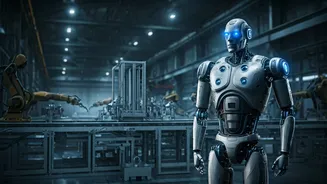
The integration of these advanced robots into data center security is a clear indicator of a burgeoning robotics era, potentially ushering in widespread automation. While current projections for industrial robot sales show a steady, albeit flat, market for new units since 2021, long-term forecasts paint a picture of explosive growth. Experts predict that robot shipments could double to one million units by 2030, leading to significant revenue increases. Looking further ahead, the market is expected to expand dramatically, reaching trillions of dollars by 2050. This evolution suggests a future where robots will not only augment human capabilities but may also begin to take on roles previously considered exclusively human, including those requiring physical labor, fundamentally reshaping the workforce.