





The Colouring Trend
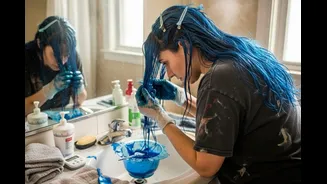
In India's dynamic beauty scene, hair colouring has become a significant form of personal expression. Whether individuals are aiming to cover grey strands,
explore new facets of their identity, or simply align with current fashion trends, the allure of vibrant hair colour is undeniable. However, beneath the surface of salon-fresh hues and transformative makeovers, a quiet but escalating concern is emerging among dermatologists and industry professionals. This concern centers on the cumulative effect of repeated exposure to the potent chemicals found in hair dyes and their potential to disrupt the delicate equilibrium of scalp health, leading to a shift in focus from mere aesthetics to underlying biological well-being. Experts are observing a palpable change in consumer dialogue, with individuals increasingly prioritizing the health of their scalp alongside the visual appeal of their hair colour, indicating a growing awareness of the interconnectedness of hair aesthetics and scalp vitality.
Chemical Cocktail Risks
The foundation of traditional hair colouring relies on a cocktail of potent chemicals, including hydrogen peroxide, ammonia, and para-phenylenediamine (PPD). While these ingredients are instrumental in achieving lasting and vibrant colour, their aggressive nature poses a significant threat to the scalp's natural protective barrier. Dermatologists are increasingly reporting a rise in adverse scalp reactions, such as persistent itching, redness, dryness, and heightened sensitivity. These symptoms, often dismissed as minor inconveniences, can be early indicators of a compromised epidermal layer. Over time, repeated exposure to these harsh agents can quietly erode the scalp's resilience, creating a cumulative damage effect that may not be immediately apparent but can lead to long-term issues. The very elements that imbue hair with colour can inadvertently strip away its natural defences, leaving the scalp vulnerable and reactive.
Urban Aggravation
The challenges posed by frequent hair colouring are often exacerbated by the environmental stressors prevalent in urban settings. Factors such as air pollution, hard water used for washing, and the damaging effects of heat styling tools already place a considerable burden on the scalp. When these existing stresses are compounded by the regular application of chemical hair dyes, the scalp is subjected to what dermatologists describe as a 'cumulative chemical load.' This overloaded state can overwhelm even a previously robust scalp, leading to unpredictable reactions and a decline in overall scalp health. The combination of environmental aggressors and chemical treatments creates a perfect storm, making the scalp more susceptible to irritation, inflammation, and other dermatological problems. This synergistic effect highlights the importance of considering external environmental factors when evaluating the impact of hair treatments.
The Scalp is Skin
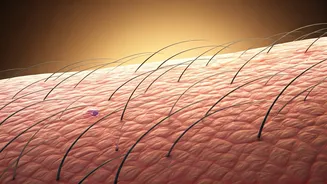
A critical point often overlooked in beauty routines is that the scalp is, in essence, an extension of the skin on our body. Much like the skin on our face, it possesses a protective barrier designed to shield against external threats and maintain hydration. When this barrier is repeatedly assaulted by harsh chemicals found in hair dyes, it can become inflamed and compromised. This disruption can trigger a cascade of undesirable effects, ranging from contact dermatitis and persistent itching to chronic inflammation and increased hair shedding. The normalized practice of frequent hair colouring, often driven by societal pressures related to ageing or fashion, means that this vital protective layer is under constant assault. Recognizing the scalp as skin underscores the need for gentle care and a mindful approach to hair treatments.
Awareness vs. Action
Despite a growing trend towards conscious consumerism, where individuals scrutinize ingredient lists and seek out 'clean' or 'organic' beauty products, a gap often persists between awareness and behavioural change concerning hair colouring. The allure of achieving and maintaining long-lasting, vibrant colour frequently outweighs concerns about the long-term consequences for scalp health. Furthermore, the perception of safety can be misleading. Terms like 'dermatologically tested' may offer a false sense of security, as a product tested under controlled laboratory conditions may still elicit adverse reactions on an individual scalp, especially one already compromised. The critical step of patch testing before applying any hair dye, a non-negotiable recommendation from dermatologists, is unfortunately rarely performed, leaving many vulnerable to unforeseen sensitivities and allergic responses.
Finding Balance
The path forward for modern consumers concerned about hair colour and scalp health is not one of outright avoidance, but rather of informed recalibration. Experts emphasize that hair colouring itself isn't inherently damaging; the issue lies in the frequency of application, the intensity of the chemical formulations used, and an uncritical acceptance of harsh treatments as standard practice. Achieving balance is key. This involves making conscious choices, such as opting for gentler colouring alternatives whenever feasible. Crucially, it requires allowing the scalp adequate time to recover and repair between treatments. Proactively investing in dedicated scalp care routines, focusing on hydration, barrier restoration, and providing the scalp with much-needed rest, can significantly mitigate the negative impacts. This approach shifts the focus from solely achieving desired colour to nurturing the fundamental health of the scalp.