
Blackhead Basics Unveiled
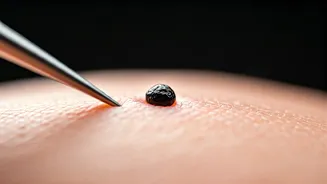
Blackheads are a common skin concern, often misunderstood. Many believe they are dirt trapped in pores, but this is a misconception. Blackheads are a type
of acne that forms when a pore becomes clogged with a mixture of sebum (oil), dead skin cells, and other debris. The dark color is not due to dirt; instead, it is caused by the oxidation of the sebum when exposed to air. This oxidation process causes the contents to turn dark. Unlike whiteheads, which are closed, blackheads are open to the surface, making them visible. Effective management requires understanding their formation and the factors that contribute to their appearance.
Debunking Common Myths
Several misconceptions surround blackheads, and it’s essential to clear them up. One widespread belief is that blackheads are caused by poor hygiene, but this isn't always true. While maintaining good skincare practices is crucial, blackheads can affect people of all hygiene levels. Another myth is that squeezing blackheads is a quick fix. In reality, squeezing can damage the skin, leading to inflammation, scarring, and even more breakouts. Scrubbing the skin aggressively is another mistake, as it can irritate the skin and worsen the problem. Instead of harsh methods, gentle cleansing and targeted treatments are more effective for blackhead management.
Identifying Contributing Factors
Several factors can increase the likelihood of developing blackheads. One primary contributor is excessive sebum production. Hormonal changes, often during puberty, menstruation, or pregnancy, can trigger increased oil production, leading to clogged pores. Using heavy or comedogenic (pore-clogging) skincare and makeup products can also worsen the issue. The build-up of dead skin cells is another critical factor. When these cells aren't shed properly, they mix with oil and clog pores. Environmental factors like pollution and humidity can further exacerbate blackhead formation, trapping dirt and debris in pores. Understanding these factors can help tailor a skincare routine to combat blackheads.
Effective Treatment Strategies
Effective blackhead treatment often involves a combination of methods. Regular cleansing with a gentle, non-comedogenic cleanser is the foundation of a good routine. Exfoliation helps remove dead skin cells, preventing pore blockages; chemical exfoliants like salicylic acid or benzoyl peroxide are often recommended for this. Retinoids, available both over-the-counter and by prescription, can help to unclog pores and reduce sebum production. Using non-comedogenic moisturizers ensures the skin stays hydrated without contributing to blockages. Additionally, consider professional treatments, such as extraction by a dermatologist or a facial with deep cleansing, to remove blackheads safely and effectively.
Daily Skincare Routine
Creating a consistent skincare routine is key to blackhead management. Start by washing your face twice daily with a gentle cleanser. After cleansing, incorporate an exfoliant with ingredients like salicylic acid a few times a week, as directed. Apply a retinoid product in the evening, following the instructions for your specific product. Always use a lightweight, non-comedogenic moisturizer to keep your skin hydrated. In the morning, don't forget to apply a broad-spectrum sunscreen with an SPF of at least 30 to protect your skin from sun damage, which can worsen skin issues. This comprehensive routine will help manage existing blackheads and prevent new ones from forming.
Lifestyle Adjustments for Clarity
Lifestyle changes can also support clear skin. A healthy diet, rich in fruits, vegetables, and whole grains, promotes overall skin health. Staying hydrated by drinking enough water keeps skin cells functioning optimally and can reduce oil production. Avoid touching your face throughout the day, as this can transfer dirt and bacteria to your pores. Choose non-comedogenic makeup and skincare products, and always remove makeup before bed. Managing stress through relaxation techniques, such as yoga or meditation, can indirectly help by reducing hormonal imbalances that contribute to breakouts. Making small changes can significantly impact your skin's clarity.