






Seed's Vulnerable Stage
Planting grass seed right before a significant rainfall can be a gamble. Experts explain that during the initial germination period, which typically lasts
about 14 days, the seeds are merely resting on the soil's surface, lacking any root structure to anchor them. This makes them highly susceptible to the elements. A single intense storm or a heavy downpour can easily dislodge and carry away a substantial portion of the newly sown seeds. Beyond outright loss, planting just before heavy rain can lead to two other significant problems: uneven lawn patches and soil crusting. The force of the water can redistribute the seeds unevenly across your yard, creating lush areas alongside barren ones. Furthermore, rapid drying of the soil surface after heavy rain can form a hardened crust, acting as an impenetrable barrier that prevents the delicate grass shoots from emerging, ultimately rendering your efforts and investment in seed futile.
The Downpour's Path
Understanding how water moves across your landscape is crucial when assessing the impact of heavy rain on grass seed. If your lawn has a natural slope, a torrential downpour will invariably direct the seeds downhill. This often results in a noticeable concentration of seed at the bottom of the slope where the water naturally collects, while the higher ground is left with sparse or no germination. Even on relatively level ground, the effects of a hard rain can be more pronounced than one might expect. Without any established root system to hold them in place, the small, buoyant seeds are easily transported by water. Water, always seeking the path of least resistance, will carry these seeds along drainage channels, to the edges of the lawn, and into any low-lying areas where pooling can occur. For those already contending with existing drainage issues, introducing unprotected seed to these zones exacerbates the problem, compounding the potential for damage and mess.
Securing Your Seed
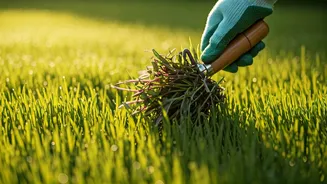
To mitigate the risk of your grass seed being washed away, it's essential to improve seed-to-soil contact and provide some form of anchoring. A simple yet effective technique recommended by lawn care professionals is to gently rake the seeds into the existing lawn. Even a light raking can make a significant difference in helping the seeds settle into the soil, making them less prone to displacement by water. If the seeds are left loose on the surface without any binding agent, they are far more likely to be carried off by any subsequent rainfall. This proactive step ensures that a greater percentage of your seed has the opportunity to establish a proper connection with the soil, which is fundamental for successful germination and the eventual development of a healthy, dense lawn.
When to Reseed
If you find yourself in the unfortunate situation of having planted grass seed just before an unexpected heavy rain, reseeding might be necessary to achieve your desired lawn. However, it's crucial to wait for the soil to dry out sufficiently before applying more seed. Attempting to seed into overly saturated soil can lead to the seeds rotting due to a lack of oxygen, hindering their ability to germinate effectively. Additionally, consistently wet soil creates an environment where fungal diseases can thrive, posing a further threat to the viability of your seeds. Lawn experts suggest reseeding, particularly in areas that appear to have been significantly washed out. You should be able to observe the results of your initial seeding within about two weeks, as most grass seeds take approximately 14 days to germinate. Perennial Ryegrass is often recommended for overseeding damaged or thin areas due to its rapid germination rate, offering a quicker visual improvement. For the best results, thoroughly rake the new seed into the soil and consider adding a protective layer, such as straw or compost, to further secure it.
The Benefit of Light Rain
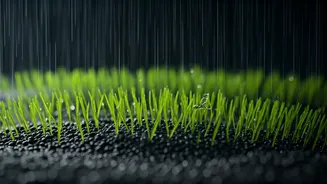
Contrary to the detrimental effects of heavy downpours, light rain can actually be beneficial for newly sown grass seed. If a gentle shower is in the forecast, it's an opportune time to seed your lawn. This type of precipitation effectively takes care of the initial watering needed to establish the seeds. Light rain is ideal because it helps to gently press the seeds into the soil, promoting the essential seed-to-soil contact that is paramount for germination. Unlike a deluge, light rain won't cause displacement or erosion. It creates optimal moisture levels in the soil—not too wet, but sufficiently hydrated—conditions that are often difficult to replicate consistently with manual watering from a hose. This natural, gentle watering process sets the stage for successful germination and growth.