


Prioritize Safety First
Your safety is paramount. Start by packing a personal safety alarm, easily accessible in case of emergencies. A whistle can also attract attention if needed.
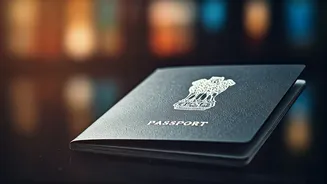
Include a small, portable doorstop for additional security in hotel rooms or guesthouses. It's also wise to carry a pepper spray or self-defense spray, ensuring it is allowed in the areas you will be visiting. Keep a copy of essential travel documents, like your passport and visa, separate from the originals, either digitally or physically. This creates a backup should the originals get lost or stolen. Additionally, ensure you share your itinerary with someone you trust back home and check in regularly.
Pack Versatile Clothing
Choose clothing items that can be mixed and matched to create various outfits. Opt for lightweight, breathable fabrics like cotton or linen, which are perfect for the Indian climate. Pack at least one scarf or shawl. This provides sun protection and modesty while visiting religious sites. Include both long-sleeved shirts and t-shirts to adapt to various weather conditions and situations. Dark or neutral-colored clothing is generally preferred, as it is less likely to show dirt. Also, consider the specific activities you'll be doing, and pack accordingly. Avoid overtly revealing clothing for safety reasons and cultural sensitivity.
Comfortable Footwear Is Key
Pack comfortable walking shoes, such as sneakers or walking sandals, that can handle various terrains. Consider bringing a pair of closed-toe shoes for safety and hygiene in certain environments. Sandals or flip-flops are useful for casual wear and in bathrooms. Break in any new shoes before your trip to prevent blisters and discomfort. Make sure the footwear is suitable for walking long distances, as you will likely be doing so.
Pack a First-Aid Kit
A comprehensive first-aid kit is crucial for addressing minor injuries and illnesses. Include bandages of various sizes, antiseptic wipes, and pain relievers like paracetamol or ibuprofen. Pack any personal medications you take, along with a copy of your prescription. Include medication for common travel ailments, such as diarrhea and motion sickness. A small tube of antibiotic ointment is also useful for treating minor skin injuries. Additionally, add any specific medications recommended by your doctor for your trip.
Stay Connected & Charged
A portable power bank is essential for keeping your phone charged. An adapter is necessary, as India uses different plug types, like types C, D, and M. A universal travel adapter is the best choice. Consider purchasing a local SIM card upon arrival for easier communication and data access. Download useful apps before you leave, such as maps, translation tools, and ride-hailing services. Backup your phone data regularly to prevent data loss.
Pack for Hygiene & Health
Carry hand sanitizer, especially when access to soap and water is limited. Pack wet wipes for cleaning your hands and face. Include travel-sized toiletries to save space and comply with airline restrictions. Consider bringing a reusable water bottle to stay hydrated, and use a water purifier or purification tablets to ensure the water is safe to drink. Pack sunscreen, insect repellent, and any other personal hygiene items that you routinely use.
Secure Your Belongings
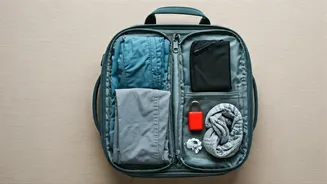
Use a money belt or a hidden pouch to store important documents and cash securely. Consider using luggage locks to secure your bags, particularly if you are using public transportation. Be aware of your surroundings, and avoid flashing expensive jewelry or electronics. Take steps to minimize the risk of theft and scams. Store your valuables securely, and remain vigilant about your belongings at all times.
Research & Plan Ahead
Before your trip, research your destinations, including local customs, laws, and potential safety concerns. Plan your itinerary in advance, including accommodation, transportation, and activities. Share your itinerary with trusted contacts, and let them know your schedule. Register with your country's embassy or consulate for emergency assistance. Booking transportation and accommodations in advance is advisable, especially during peak seasons.
Learn Basic Phrases
Learning some basic phrases in the local language, such as Hindi or the language spoken in the areas you will be visiting, will greatly enhance your travel experience. This will help you communicate with locals, ask for help, and navigate situations more easily. Download a translation app on your phone, and familiarize yourself with essential phrases. Simple greetings, requests for assistance, and expressions of gratitude can go a long way in making connections and building trust.
Stay Aware & Trust
Stay alert and attentive to your surroundings. Trust your instincts and avoid situations that feel unsafe or uncomfortable. Keep your valuables safe and avoid walking alone at night in poorly lit areas. Be wary of scams or overly friendly strangers. Maintain a balanced approach between being cautious and open-minded, allowing yourself to enjoy the experience.