




Vinegar's True Role
Many homeowners reach for vinegar when ants appear, hoping for a quick fix. However, pest control experts clarify that while vinegar's potent aroma can
temporarily disrupt ant communication by masking their scent trails, it doesn't actually kill them. Ants rely heavily on pheromones to navigate, locate food sources, and signal to their colony. By spraying vinegar, you might confuse them and force them to find a new route, or at best, drown a few individuals. This method offers a very superficial, short-lived reprieve and is not a sustainable solution for an infestation. Strong scents, including those from garlic or certain essential oils, can similarly deter ants temporarily, but they won't eradicate the colony and will likely just encourage them to seek alternative entry points into your home.
Effective DIY Killing
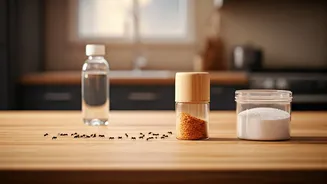
For a more effective DIY approach to eliminating ants, consider using boric acid. When combined with a sweet bait, such as jelly or peanut butter, ants will consume the mixture. Boric acid works by disrupting the ants' digestive and nervous systems, leading to dehydration and eventual death. This method is significantly more impactful than contact sprays because it allows the ants to carry the poison back to their colony, thereby targeting the entire population. It's crucial to use boric acid with caution, ensuring it's kept away from children and pets, as it can be harmful if ingested. Precise ratios are also important to ensure the ants carry the bait back to their nest rather than consuming it all immediately.
Baiting vs. Spraying
When faced with an ant problem, professionals recommend opting for ant baits over immediate-killing pesticides. While spraying visible ant trails might clear the immediate area, it fails to address the root of the infestation – the colony. Ant baits are designed for ants to carry the poisoned food source back to their nest, effectively targeting and eliminating the queen and other colony members. This indirect approach is far more efficient for long-term control than surface sprays, which only deal with the ants that are currently visible. By using baits, you're initiating a process that resolves the infestation from within, rather than just managing its outward signs.
Preventing Entry Points
A proactive defense is the most effective strategy against ant invasions. Most ant species originate their infestations in the outdoor environment surrounding your home. To prevent them from entering, diligently seal any cracks or crevices in your foundation, windows, and doors using caulk. It's also essential to maintain your landscaping by trimming tree branches and shrubs so they don't provide a direct bridge into your house. Storing firewood at least 20 feet away from your home and off the ground, along with frequent garbage disposal and cleaning of bins, further minimizes attractants and entry routes for ants.
Addressing Moisture Issues
Ants are particularly drawn to warm, moist environments for nesting. Therefore, addressing any sources of excess moisture around and inside your home is critical for prevention. Ensure your roof is clear of debris and your gutters are clean to prevent water accumulation. Promptly repair any leaks or wood that has been damaged by moisture. Eliminating standing water, whether it's from leaky pipes, overflowing planters, or poor drainage, removes prime nesting grounds that ants find attractive.
Maintaining a Clean Home
Since ants venture into your home primarily in search of food, maintaining a clean and tidy environment is a fundamental prevention technique. Always store food items in airtight containers to prevent their discovery. Regularly sanitize kitchen and bathroom surfaces, and vacuum frequently to remove crumbs and other potential attractants. Avoid letting dirty dishes pile up in the sink, and ensure your trash cans have tight-fitting lids that close completely. Even cleaning your pets' food bowls regularly can make a significant difference in deterring ants.
When to Seek Experts
While several DIY methods can help manage and prevent ant problems, pest control professionals universally recommend calling in an expert for definitive resolution, especially for recurring infestations. Their expertise ensures thorough identification of the ant species and the most effective treatment plan tailored to your specific situation. Attempting to manage persistent ant issues yourself can be time-consuming and less effective than professional interventions, which often involve more potent and targeted solutions. For lasting peace of mind and a truly pest-free home, professional assistance is often the most reliable route.