





A Thorny Treasure
Beyond the familiar spinach and okra, Rajasthan's rural landscapes hide culinary secrets. In the Nagaur district, the Satyanashi plant, often dismissed
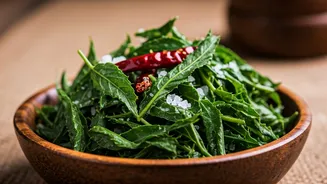
as common wild grass, is a celebrated local food. Also known as the Mexican prickly poppy, this plant is treasured in villages not only for its unique flavour profile but also for its purported medicinal properties. For generations, its tender shoots, delicate flowers, and softer stems have been skillfully prepared to create a dish that rivals the comforting taste of mustard greens, offering a familiar yet distinct culinary experience to those who appreciate its rustic charm. Its integration into the local diet highlights a deep connection to the land and its resourceful use of native flora.
Mastering Preparation
Transforming Satyanashi into an edible dish is an art form demanding precision and patience, far removed from the simplicity of everyday cooking. The plant's defining characteristic—its covering of fine, sharp thorns—necessitates a meticulous cleaning process. Chefs and home cooks select only the uppermost parts of the plant: the tender leaves, blossoms, and pliable stems. These are then carefully peeled to strip away any thorny remnants before being finely chopped. The crucial step that follows involves soaking the chopped plant matter in warm, salted water for approximately ten to fifteen minutes. This immersion serves a dual purpose: it further softens any lingering prickly textures and significantly reduces the herb's inherent bitterness, thereby enhancing its overall palatability and flavour complexity for a more enjoyable consumption.
Rustic Cooking Methods
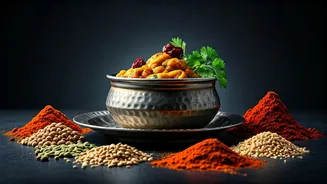
The preparation of Satyanashi is steeped in traditional flavours, employing a straightforward yet profoundly rustic cooking technique. The process begins by heating a generous amount of mustard oil in a pan until it reaches a smoking point, a vital step for infusing the dish with its characteristic pungency. Next, a flavourful tempering is introduced, featuring cumin seeds, a pinch of asafoetida, finely minced garlic, and slivers of green chilli, all sautéed until they achieve a golden hue and release their aromatic essence. Once the initial fragrance permeates the air, the pre-treated Satyanashi leaves and stems are added to the pan. Basic yet essential spices—turmeric powder, coriander powder, and salt—are stirred in, and the mixture is then cooked gently over low heat, covered with a lid, allowing the ingredients to meld and tenderize. After about ten to fifteen minutes, when the stems have become yielding, a final touch of garam masala is sprinkled before the flame is extinguished, culminating in a dish that embodies an earthy, authentic flavour profile. This simple preparation method ensures the natural essence of the wild herb is preserved, offering a nourishing meal often paired with bajra roti or hot parathas in rural Rajasthan.